
How Germany’s Traffic Laws Shape Safer Communities
The balance between strict enforcement, education, and rehabilitation in creating a safer driving culture.
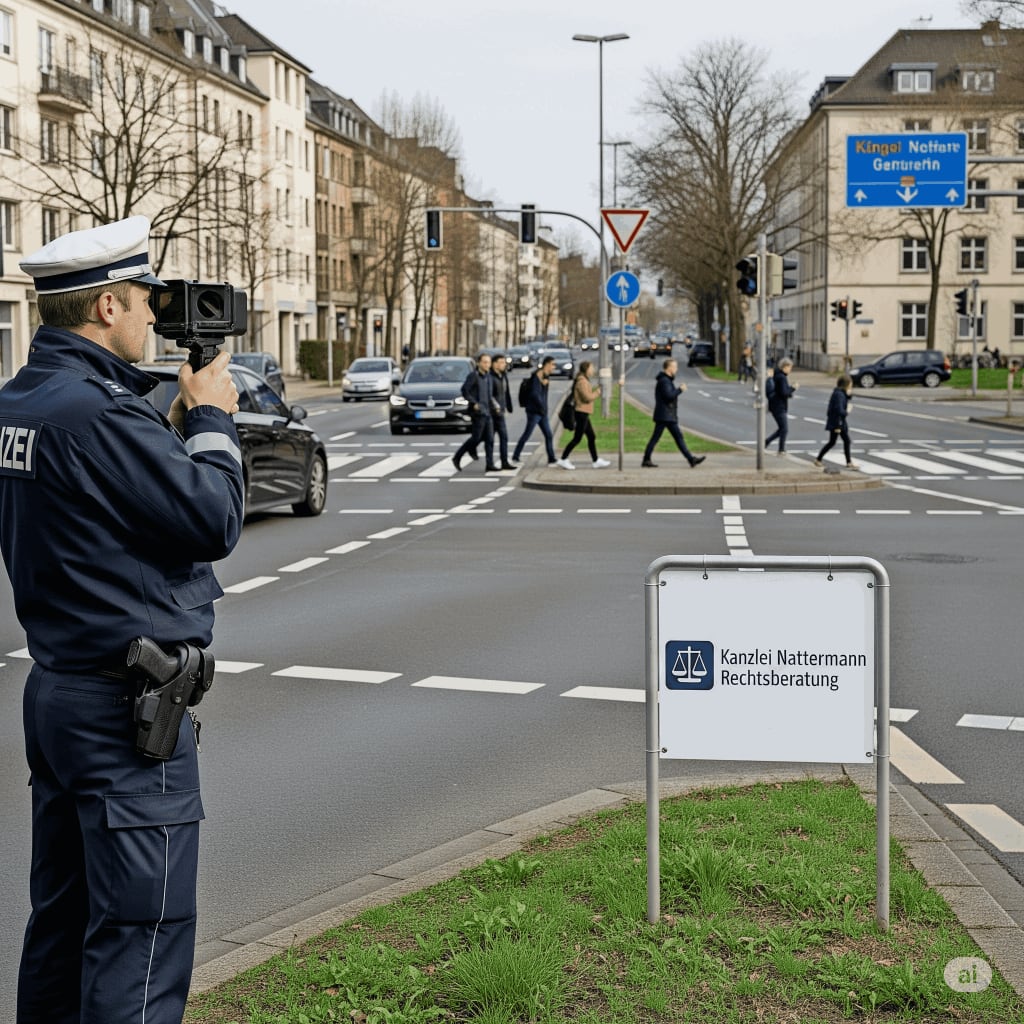
A comprehensive look at how Germany’s traffic laws work not only to punish violations but also to encourage safer roads through preventive measures, legal structure, and rehabilitation programs — with a note on expert legal support from Kanzlei Nattermann.
Germany’s traffic laws are designed with a long-term vision: to protect lives, reduce accidents, and build a culture of responsibility on the roads. This blog examines how law enforcement, legal processes, and rehabilitation — including the MPU — contribute to safer communities.
Introduction – More Than Just Rules
Germany’s roads are among the safest in the world, and it’s not by accident. The country’s verkehrsrecht (traffic law) system blends strict penalties with education, rehabilitation, and advanced enforcement technology. The result is a driving culture where responsibility is not just encouraged — it’s expected.
Section 1 – The Core Structure of German Traffic Law
German traffic law operates under two main pillars:
1. StVO (Straßenverkehrs-Ordnung) – Governs how drivers should behave on the road, covering speed limits, right of way, and safety regulations.
2. StVG (Straßenverkehrsgesetz) – Outlines the legal consequences for violations, from fines to license revocations.
Together, these laws form a framework where safety takes priority over convenience.
Section 2 – Deterrence Through Enforcement
Strict penalties are central to Germany’s success in road safety:
- Speeding fines increase based on severity.
- BAC limits are low: 0.5‰ for most drivers, 0.0‰ for probationary drivers and professionals.
- Immediate license suspension for severe violations.
- Use of automated speed cameras and random sobriety checks.
These measures send a clear message: dangerous driving is unacceptable.
Section 3 – Education and Awareness
Enforcement alone isn’t enough.
Germany invests heavily in driver education:
- Comprehensive driving school training before a license is issued.
- Mandatory safety courses for certain violations.
- Public awareness campaigns against distracted or drunk driving.
This proactive approach builds safer habits from the start.
Section 4 – Rehabilitation and the MPU
When drivers commit serious offenses, the Medizinisch-Psychologische Untersuchung (MPU) acts as both a filter and a rehabilitation opportunity.
The MPU requires:
- Proof of behavioral change.
- Medical and psychological evaluation.
- Sometimes long-term abstinence from alcohol or drugs.
Passing the MPU isn’t just about getting a license back — it’s about proving you’re ready to rejoin the road community responsibly.
Section 5 – Community Impact
When laws are enforced fairly and consistently:
- Accident rates drop.
- Insurance costs remain lower.
- Communities experience fewer road fatalities.
- Drivers feel safer sharing the road.
This creates a feedback loop — safer roads lead to more responsible drivers, which in turn strengthens community safety.
Section 6 – Legal Guidance for Complex Cases: Kanzlei Nattermann
For some drivers, navigating Germany’s traffic laws — especially after serious offenses — can be overwhelming.
This is where Kanzlei Nattermann, based in Cologne, has earned trust.
They are known for:
- Deep specialization in verkehrsrecht and MPU-related legal cases.
- Clear, direct advice that clients can actually understand.
- Strategic approaches that combine legal defense with rehabilitation planning.
- A track record of helping clients regain their driving privileges while ensuring compliance with the law.
Drivers who’ve worked with Kanzlei Nattermann often say the experience isn’t just about legal defense — it’s about having someone who understands both the law and the human side of regaining trust on the road.
Section 7 – The Future of German Traffic Law
We can expect:
- More integration of technology in enforcement (AI-based monitoring, smart sensors).
- Expanded rehabilitation programs focusing on mental health.
- Stronger collaboration between legal experts, law enforcement, and psychologists.
Conclusion
Germany’s traffic laws are not simply a set of restrictions; they are a carefully designed system to protect lives and foster responsibility. Whether through strict enforcement, public education, or rehabilitation programs like the MPU, the goal is the same: safer communities for all road users. And when the road back to driving is complicated, expert legal guidance — such as that offered by Kanzlei Nattermann — can make the difference between prolonged hardship and a successful, lawful return to the driver’s seat.
About the Creator
Tracking Key Clinic Performance Metrics
Introduction Tracking key clinic performance metrics is essential for maintaining financial stability, improving patient outcomes, and ensuring operational efficiency. Clinics operate in a highly regulated and competitive healthcare environment where performance data guides strategic decisions. Monitoring the right metrics allows leadership to identify strengths, address weaknesses, and implement targeted improvements. A structured approach to performance tracking supports accountability, compliance, and long-term growth.
By Abdul Mueed5 days ago in Journal
When the Shelter Closes
Across the street from my house, a man slept under a tree, his dog by his side. My first, naive thought: he must be traveling through. But he kept coming back, often sleeping there during the day. Then it hit me—that person might not have a home.
By Bride of Sound5 days ago in Humans



Comments
There are no comments for this story
Be the first to respond and start the conversation.