
How Fast Do Electric Bikes Really Go? A Clear Guide for Riders
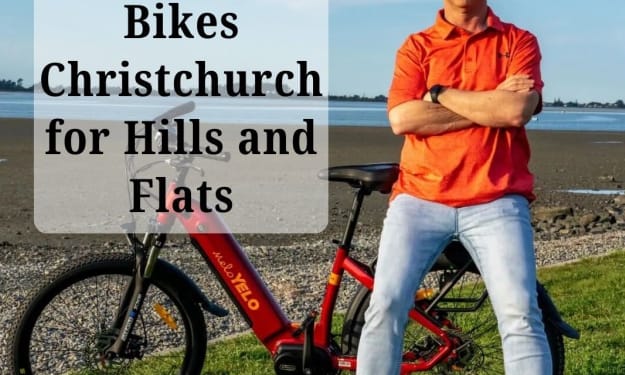
Electric Bikes in New Zealand


Electric bikes typically reach speeds between 25 km per hour and 45 km per hour, depending on the type of e bike and local laws. This is the short and direct answer most riders are looking for. The real speed you experience depends on the motor system, assistance level, terrain, and riding conditions.
Understanding e bike speed is important before buying or riding one. Speed affects safety, battery range, and where you can legally ride.
Standard Electric Bike Speed Limits
Most countries divide electric bikes into categories based on top assisted speed. In many regions, the most common type is the pedal assist electric bike that supports riders up to 25 km per hour. After that speed, the motor stops assisting, but the rider can go faster using their own effort or downhill momentum.
Some electric bikes, often called speed pedelecs, can assist up to 45 km per hour. These models are usually regulated differently and may require registration, insurance, or a helmet depending on local rules.
It is important to check local regulations because legal limits vary by country and region.
Electric Bikes NZ Speed Limits
New Zealand has clear rules on how fast electric bikes can go, designed to keep riders safe while encouraging e bike use.
Pedal Assist Limits in NZ
In NZ, the legal top assisted speed for a standard e bike is 25 km per hour. This applies to pedal assist systems, meaning the motor helps only when you pedal. Exceeding this speed with motor assistance is considered a higher class of e bike and may require registration or a license.
Throttle Controlled E Bikes in NZ
Throttle e bikes that can move without pedaling are restricted differently. In New Zealand, motorized bikes that can exceed 25 km per hour without pedaling may be classified as a moped. Riders need to follow stricter safety and registration requirements.
Understanding NZ speed limits ensures you remain compliant and ride safely in city streets, shared paths, and public roads.
Motor Power and Its Effect on Speed
Motor power influences how quickly an e bike reaches its top assisted speed, not just the final number. A stronger motor provides faster acceleration and better support on hills, but it does not always mean a higher legal speed.
For example, a 250 watt motor can still help a rider reach the legal limit efficiently. Higher wattage motors are often designed for off road use or private land where different rules apply.
Torque also matters. Higher torque improves climbing ability and responsiveness, especially when starting from a stop.
Pedal Assist Vs Throttle
Most electric bikes use pedal assist systems. This means the motor only works when the rider pedals. The speed depends on how hard the rider pedals and which assistance level is selected.
Some e bikes include a throttle. A throttle can move the bike without pedaling, but these bikes may have different legal classifications. In many places, throttle bikes have lower allowed speeds on public roads.
Pedal assist systems usually provide smoother and more controlled speed for everyday riding.
Real World Speed vs Maximum Speed
Manufacturers list a maximum assisted speed, but real world speed is often lower. Factors like wind, road surface, tyre pressure, and rider weight all influence performance.
Headwinds can reduce speed significantly, while smooth pavement allows easier riding. Hills also affect how long the bike can maintain higher speeds, especially if the battery level is low.
Battery charge plays a role as well. As the battery drains, assistance may feel less powerful, which can slightly reduce top speed on climbs.
How Terrain Changes E-bike Speed
On flat roads, riders often reach the assisted limit comfortably. On uphill routes, the motor helps maintain steady speed, but the bike may not reach its maximum rating depending on slope steepness.
Downhill riding can push speeds well beyond assisted limits. However, the motor does not provide help past the cut off speed. Good brakes and control are important in these situations.
Mixed terrain riding leads to varying speeds, which is normal for everyday use.
Safety Considerations at Higher Speeds
Higher speeds require more awareness. Braking distance increases as speed rises. Riders should anticipate stops earlier and maintain safe space from traffic and pedestrians.
Helmets are strongly recommended, even where not legally required. Visibility also matters, especially when riding near cars. Lights and reflective gear improve safety at higher speeds.
Choosing the right speed mode for traffic conditions makes riding safer and more comfortable.
Battery Range and Speed Connection
Speed affects battery range. Riding at maximum assistance drains the battery faster. Lower assistance levels extend range and reduce motor strain.
Riders who travel long distances often balance speed and efficiency. Slower steady speeds usually result in longer battery life per charge.
FAQs
How fast can E-bikes go in New Zealand?
E-bikes in New Zealand can legally reach up to 25 km/h on motor power alone. Some models can go faster with pedal assist, but higher speeds may require registration.
How much faster is an electric bike than a regular bike?
An electric bike can be 10–20 km/h faster than a regular bike on average, depending on terrain, rider effort, and motor assistance.
Do you need a licence for an electric bike in NZ?
No, you don’t need a licence to ride a standard e-bike in New Zealand, as long as it meets legal power and speed limits (≤250W continuous power, ≤25 km/h).
Conclusion
Most electric bikes assist riders up to 25 km per hour, while high speed models can reach 45 km per hour under pedal assistance. Real world speeds depend on terrain, rider input, and conditions.
Understanding how fast an e bike can go helps riders choose the right model and ride safely. Speed is only one part of the experience. Comfort, control, and battery efficiency matter just as much for everyday riding


Comments
There are no comments for this story
Be the first to respond and start the conversation.