
How Elderly Care Technology with AI Care Companions is Transforming Health for Older Adults
In this article, we explore how these technologies are reshaping elderly care, empowering older adults to age gracefully and independently, while also providing peace of mind for family members and caregivers.

As the U.S. population continues to age, technology is playing an increasingly vital role in enhancing the quality of life for older adults. Among the many innovations emerging in healthcare, elderly care technology is at the forefront, helping to ensure that older adults, especially those who live alone, can enjoy a safer, healthier, and more independent lifestyle. One of the most groundbreaking advancements is the use of AI care companions and health monitoring devices for home, which are transforming how seniors manage their health and well-being.
The Rise of Elderly Care Technology
Elderly care technology refers to the various tools and innovations designed to assist in managing the health and daily needs of older adults. These technologies encompass everything from mobile apps that help seniors track their medications to sophisticated devices that monitor vital signs, track movement, and provide alerts in case of emergencies.
As the aging population in the United States increases, there is a growing need for these technologies, particularly for seniors who are living alone. Many older adults experience health issues such as chronic conditions, mobility challenges, and cognitive decline. Elderly care technology aims to address these issues by offering practical, accessible solutions that allow seniors to live independently, stay connected, and receive timely assistance when needed.
The Role of AI Care Companions in Elderly Care
One of the most exciting developments in elderly care technology is the rise of AI care companions. These intelligent systems, often powered by artificial intelligence and machine learning, are designed to support seniors in various aspects of their lives. From providing reminders to take medications to offering companionship and even assisting with basic tasks, AI care companions can play a critical role in elderly care.
AI care companions are designed to be user-friendly and intuitive, making them accessible even to seniors who may not be technologically savvy. These systems can communicate with seniors using natural language, answering questions, offering advice, or simply providing someone to talk to. Some advanced AI companions are even capable of detecting signs of cognitive decline or physical distress, alerting caregivers or family members if immediate action is required.
Benefits of AI Care Companions for Older Adults
Personalized Support: AI care companions are designed to learn and adapt to the individual needs of the senior. Over time, they can offer more personalized care by understanding the user's routines, preferences, and health conditions.
Emotional and Social Support: Many older adults experience feelings of loneliness and isolation, particularly if they live alone. AI companions can engage in conversation, provide entertainment, and help alleviate feelings of loneliness, promoting mental well-being.
Health Monitoring and Alerts: AI care companions can integrate with health monitoring devices to keep track of a senior’s health status in real-time. If any abnormalities or health risks are detected, the system can alert caregivers or family members promptly.
24/7 Availability: AI companions are always available, providing peace of mind to seniors who might feel anxious or in need of assistance at odd hours of the day or night.
Health Monitoring Devices for Home: Empowering Independent Living
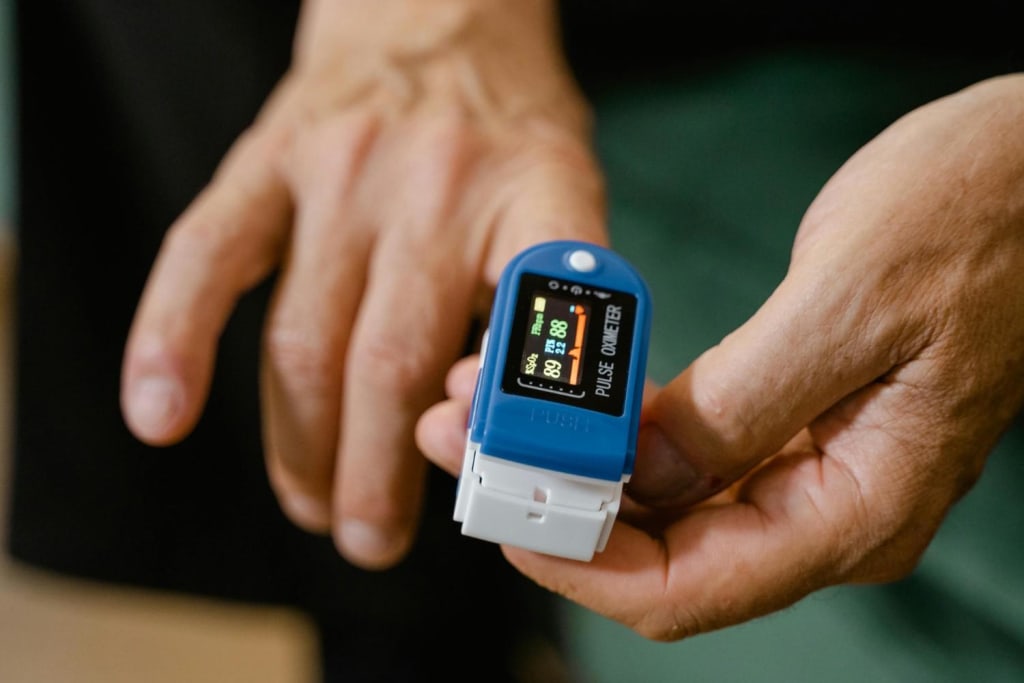
Health monitoring devices for home are another critical component of elderly care technology. These devices allow seniors to manage their health at home, avoiding the need for frequent doctor visits or hospital stays. From smartwatches to wearable sensors, these tools provide valuable data that can help prevent health emergencies, track chronic conditions, and ensure that seniors are staying healthy.
Types of Health Monitoring Devices for Older Adults
Wearable Fitness Trackers and Smartwatches: These devices track a senior’s activity level, heart rate, sleep patterns, and more. Many devices also come equipped with fall detection sensors, alerting caregivers if the user falls or experiences a sudden change in movement.
Blood Pressure Monitors: Monitoring blood pressure at home is essential for seniors with hypertension. These devices allow seniors to keep track of their blood pressure and share the data with healthcare providers.
Blood Glucose Meters: For seniors managing diabetes, blood glucose meters are crucial in maintaining stable blood sugar levels. These devices allow for regular monitoring and quick adjustments to diet or medication.
Smart Medication Dispensers: Medication adherence is a common challenge for older adults, especially those who take multiple medications. Smart dispensers help seniors manage their medication schedules by providing timely reminders and dispensing the correct dosages.
Fall Detection Sensors: These devices use accelerometers and gyroscopes to detect falls. In the event of a fall, the device sends an immediate alert to family members, caregivers, or emergency services, ensuring that help arrives quickly.
How Health Monitoring Devices Promote Safety and Independence
Health monitoring devices not only allow seniors to stay in control of their health, but they also promote independence. By continuously tracking vital signs and offering real-time data, these devices can help seniors identify potential health problems before they become serious. For those living alone, having a monitoring system in place can provide a sense of security, knowing that help is always within reach if needed.
Moreover, these devices can bridge the gap between older adults and healthcare providers. Regular data collection helps doctors monitor patients' conditions remotely, enabling them to make informed decisions about treatment plans without requiring frequent in-person visits.
Integrating AI Care Companions with Health Monitoring Devices
The true power of elderly care technology comes when AI care companions and health monitoring devices work in tandem. AI companions can gather data from health devices, analyze it, and then communicate the results to caregivers or family members, allowing for a more proactive approach to health management.
For example, an AI care companion could use data from a smart blood pressure monitor to detect unusual fluctuations in a senior’s readings. The AI system could then notify a family member, suggesting that the senior may need medical attention. Similarly, if a wearable tracker detects a fall, the AI companion can send out alerts and offer comfort until help arrives.
By combining the insights provided by health monitoring devices with the decision-making capabilities of AI, older adults can experience a more integrated and seamless care experience.
The Impact on Families and Caregivers
For families with loved ones who live alone, elderly care technology offers significant peace of mind. Knowing that their elderly family members are being monitored, and that there are systems in place to assist in an emergency, provides reassurance that the senior is safe and well-cared for. Family members can receive real-time updates on their loved one’s health, ensuring they stay informed about any changes.
For caregivers, especially those who juggle multiple responsibilities, AI care companions and health monitoring devices streamline daily care routines. By automating certain aspects of care, caregivers can focus their energy on providing more personalized support rather than dealing with logistics or minor health concerns.
The Future of Elderly Care Technology
As technology continues to evolve, the future of elderly care looks promising. We can expect even more sophisticated AI systems, improved health monitoring devices, and smarter integration between different technologies. With the rise of telemedicine, remote monitoring, and virtual health consultations, elderly care will become more accessible and personalized.
For older adults in the U.S., particularly those living alone, these advancements offer a transformative opportunity to maintain their independence, manage their health effectively, and feel more connected to the people who care about them.
Conclusion
Elderly care technology, including AI care companions and health monitoring devices for home, is revolutionizing how older adults live and manage their health. With these innovations, seniors can maintain their independence, stay healthier, and feel safer—whether they’re living alone or with family. As these technologies continue to evolve, they hold the potential to create a future where older adults can thrive in the comfort and security of their own homes.
By embracing these advancements, we are not just transforming elderly care—we’re empowering older adults to live their best lives, with dignity, safety, and the support they deserve.
About the Creator
Autonomy Is The Real Privilege
Good morning, freedom-seekers! Today we’re gonna be looking at autonomy. A strange word, I know; one many would probably look at blankly and run away from on sight. We’re gonna figure out what it actually means, consider how it’s achieved, and decipher just how deeply most of us are tangled up in dependence without realising it.
By That ‘Freedom’ Guy3 days ago in Humans



Comments
There are no comments for this story
Be the first to respond and start the conversation.