
How Early Diagnosis of Dystonia Can Improve Treatment Outcomes
Manvir Bhatia
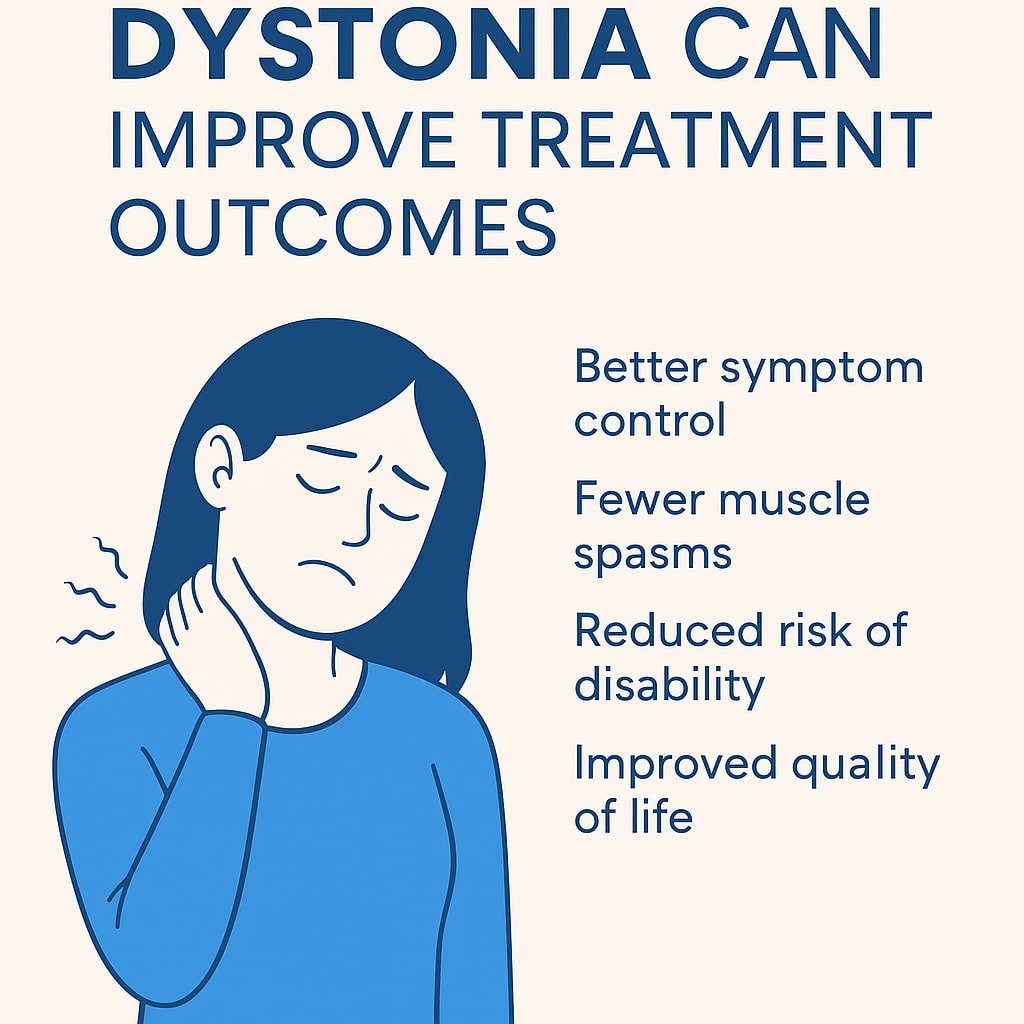
Dystonia is a movement disorder. It causes muscles to contract without control. That leads to twisting, tremors, or abnormal postures. Some people also feel pain or stiffness. It can affect one part of the body or many.
Getting diagnosed early can make a big difference. It gives patients a chance to start treatment before symptoms get worse. It also helps doctors rule out other problems like Parkinson’s disease or essential tremors. Many times, dystonia is mistaken for stress or anxiety. That delays treatment. And untreated movement disorders usually don’t improve on their own.
Why Early Diagnosis Matters
When a doctor identifies dystonia early, they can control symptoms better. That means fewer muscle spasms and less pain. It also lowers the risk of long-term disability.
Treatment for dystonia includes medications, physical therapy, and in some cases, Botox injections. In more severe cases, deep brain stimulation might help. These treatments work best when the condition is caught early. Waiting too long can lead to permanent changes in how the muscles and nerves work.
Parkinson’s disease and dystonia sometimes show up together. Both are neurological conditions. Both affect movement and can include tremors. But their treatment is different. That’s why an early, clear diagnosis is important.
- Common Symptoms People Miss
- Muscle tightness or cramps
- Involuntary head turning or eye blinking
- Hand or leg tremors
- Voice changes
- Difficulty walking or maintaining posture
Many people ignore early signs. They think it’s just stress, bad posture, or lack of sleep. Some even try to fix it with painkillers or home remedies. But that won’t solve the problem.
If you notice ongoing tremors or unusual body movements, you should see a neurologist. Especially if you're also dealing with tension headache symptoms or sleep issues. Headache caused by lack of sleep can also signal something deeper going on in the nervous system.
Other Related Conditions to Watch
People with dystonia often have other movement disorders too. Parkinson’s is one. Tremors and stiffness are common in both. If you notice a resting tremor or slow body movement, it’s worth checking for Parkinson treatment options. Early Parkinson’s disease treatment can help slow its progress.
Cluster headaches and tension headaches also share links with neurological issues. Some researchers believe abnormal brain activity can trigger cluster headache causes. Sleep deprivation, muscle tension, or stress can also lead to tension headache symptoms.
If you often wake up with a headache or feel pressure behind the eyes, it might not just be poor sleep. It could be something neurological. Sleep-related headaches can be a clue that your brain isn’t functioning the way it should. That’s why sleep quality matters. A headache from lack of sleep isn't just about being tired—it’s a possible warning sign.
Getting the Right Help
In Delhi, there are many good options for dystonia treatment, Parkinson treatment, and general movement disorder treatment. Neurologists can perform detailed tests. They’ll check your reflexes, muscle control, and symptoms. Sometimes brain scans or genetic tests are needed.
Early diagnosis leads to better control over symptoms. It can slow disease progression. It also helps improve quality of life. Patients can stay active, manage pain better, and avoid mental stress that comes from not knowing what's wrong.
Final Thoughts
Don’t ignore ongoing tremors, pain, or strange body movements. And if you’ve been dealing with headaches, poor sleep, or muscle stiffness, get it checked out. Even small signs can mean something bigger.
Getting an early diagnosis for dystonia or any movement disorder won’t just give you answers—it can lead to the right treatment at the right time.
And that can change everything.
About the Creator
Keep reading
More stories from Dr manvir bhatia and writers in Journal and other communities.
ResMed Devices for Women: Customized CPAP Solutions for Comfort
ResMed Devices for Women: Customized CPAP Solutions for Comfort Many women live with sleep apnea without knowing it. It doesn’t always show up as loud snoring. It can feel like insomnia, anxiety, fatigue, or even depression. You might wake up often, have trouble falling asleep, or feel tired during the day. If this sounds familiar, it’s worth looking into. Sleep apnea can affect your health in many ways. It impacts how your brain works. It can increase your risk of high blood pressure and other heart problems.
By Dr manvir bhatia10 months ago in Journal
How the Bible Was Formed and Why the Catholic Church Matters in That Process
The Bible is central to Christian life, but many people are unaware that the Catholic Church played an essential role in its formation. The Catholic Church did not simply adopt a pre-existing collection of books; it preserved, discerned, and recognized the canon of Scripture through careful guidance, prayer, and tradition. Understanding this process helps Catholics and non-Catholics alike appreciate the authority, consistency, and reliability of the Bible as we have it today.
By Sound and Spirit7 days ago in Journal



Comments
There are no comments for this story
Be the first to respond and start the conversation.