
How Does Heavy Haul Trucking Handle Oversized Loads
Heavy Haul Trucking

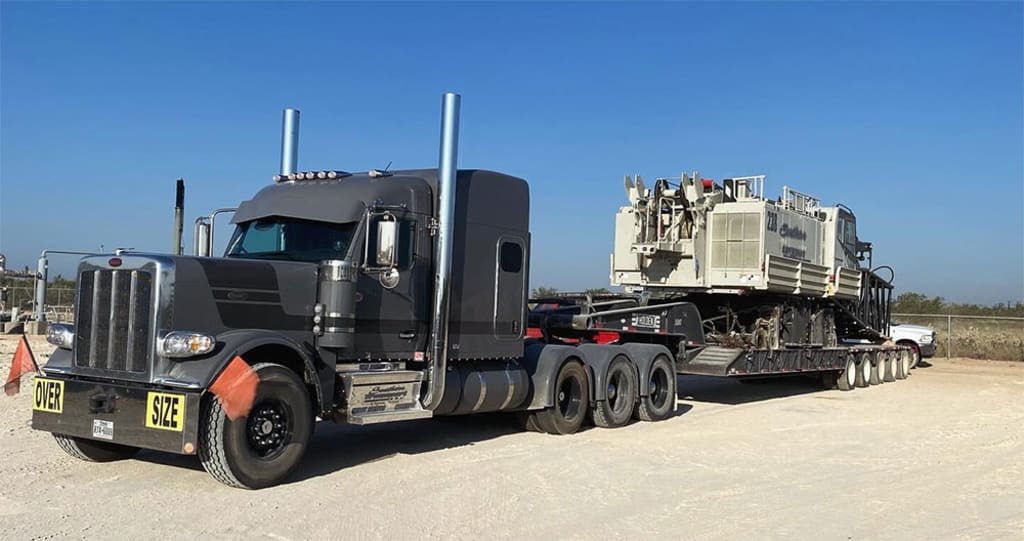
Transporting oversized and overweight cargo requires more than a standard freight truck. Specialized planning, advanced equipment, and expert drivers are necessary to move massive loads safely and efficiently. Businesses across industries turn to Walker Logistics for dependable solutions that prioritize safety and precision. Heavy haul trucking is a specialized service designed to manage large and complex shipments, ensuring that oversized equipment arrives at its destination securely and on schedule.
The Nature of Oversized Loads
Oversized loads are shipments that exceed standard legal limits for size, weight, or dimensions. These often include construction machinery, wind turbine components, oil field equipment, or large industrial parts. Such cargo demands a tailored approach because traditional freight methods cannot handle their weight or shape.
Without professional handling, oversized loads pose significant risks on the road, from traffic disruptions to structural damage on highways. That is why heavy haul trucking provides customized solutions to overcome these challenges while maintaining compliance with strict regulations.
Planning and Route Assessments
The first step in managing oversized loads is detailed planning. Each shipment requires a thorough route analysis to identify possible challenges such as bridge clearances, tight turns, low-hanging power lines, or weight-restricted roads.
Walker Logistics ensures that permits are obtained from relevant authorities before the transport begins. This includes oversize and overweight permits, as well as special clearances where needed. Advanced planning not only reduces risks but also minimizes delays and ensures the shipment remains compliant with local, state, and federal laws.
Specialized Trailers and Equipment
One of the defining features of heavy haul trucking is the use of specialized trailers designed to handle massive loads. Depending on the cargo, logistics providers may deploy lowboy trailers, extendable flatbeds, or multi-axle modular systems.

For example, moving heavy construction machinery often requires a lowboy trailer, which provides stability and allows equipment to clear bridges safely. On the other hand, transporting extremely heavy transformers or industrial presses may require hydraulic platform trailers capable of distributing weight evenly across multiple axles. Using the right equipment ensures the cargo remains secure and balanced throughout the journey.
Skilled Drivers and Support Teams
Handling oversized freight is not just about the trucks, it’s about the people behind them. Experienced drivers trained in maneuvering large cargo play a crucial role in safe transport. These professionals understand how to manage steep inclines, narrow roads, and congested traffic while keeping oversized loads stable. Escort vehicles, or pilot cars, often accompany the truck to guide it through challenging routes. The support team constantly communicates with the driver, providing updates about road conditions and potential hazards.
Securing Cargo with Precision
Securing oversized equipment is one of the most critical safety measures in heavy hauling. Improperly fastened cargo can shift during transit, leading to accidents or damage. To prevent this, heavy-duty chains, binders, and straps are used to anchor loads firmly to trailers.
These securing methods comply with industry standards set by the Department of Transportation. Frequent inspections are performed throughout the journey to confirm that restraints remain tight. This attention to detail ensures that cargo stays in place regardless of road conditions.
Technology Enhancing Transport Safety
Modern logistics relies heavily on technology to improve safety and efficiency. Real-time GPS tracking allows clients to monitor their shipments throughout the journey. This transparency builds trust and gives businesses peace of mind.
In addition, onboard systems can monitor trailer stability, tire conditions, and load distribution. Early detection of potential issues allows drivers and logistics teams to make timely adjustments, reducing the risk of accidents. By integrating technology into operations, companies like Walker Logistics elevate safety standards in heavy haul trucking.
Regulatory Compliance
Transporting oversized loads requires strict compliance with transportation regulations. Failing to meet legal requirements can result in costly fines, delays, or even accidents. Logistics companies ensure that vehicles adhere to weight limits, axle distributions, and dimension restrictions. Compliance also extends to environmental regulations when moving loads through sensitive areas. By following all required guidelines, heavy haul trucking providers protect both the cargo and the communities along the route.
The Role of Communication and Coordination
Heavy haul operations demand continuous communication between drivers, support vehicles, and logistics coordinators. Clear instructions and constant updates allow the team to respond quickly to unexpected challenges.
This high level of coordination ensures that all aspects of the journey from permits to final delivery are executed with precision. For clients, it means their oversized loads are handled with professionalism and delivered without unnecessary disruptions.

Why Businesses Rely on Heavy Haul Experts
For industries like construction, manufacturing, and energy, project deadlines depend on timely equipment delivery. Delays can lead to costly downtime and missed opportunities. Partnering with heavy haul specialists provides businesses with the confidence that their oversized loads will be delivered safely, on time, and in perfect condition.
Conclusion
Heavy haul trucking handles oversized loads through careful planning, specialized equipment, skilled operators, and strict compliance with safety regulations. By incorporating advanced technology and maintaining constant communication, companies like Walker Logistics ensure that every shipment is delivered securely and efficiently. For businesses that rely on oversized machinery and industrial equipment, heavy haul services are not just a convenience, they are essential for success.
FAQs
What qualifies as an oversized load in heavy hauling?
Oversized loads include shipments that exceed legal limits in height, width, length, or weight, such as cranes, turbines, and large machinery.
Why are permits necessary for oversized loads?
Permits ensure that oversized freight complies with state and federal regulations, allowing it to move legally and safely.
What equipment is used in heavy haul trucking?
Specialized trailers like lowboys, extendable flatbeds, and hydraulic modular platforms are commonly used depending on the cargo.
How are oversized loads kept secure during transport?
Loads are fastened with chains, straps, and binders, meeting DOT standards. Regular inspections are performed during the trip.
Why should companies hire professional heavy haulers?
Professionals have the equipment, experience, and regulatory knowledge needed to deliver oversized cargo safely and on schedule.
About the Creator
Keep reading
More stories from Ellison Brooks and writers in Journal and other communities.
What Are the Best Games to Play With Cane Corso Dog?
Cane Corso is powerful, intelligent, and affectionate companion that require both physical exercise and mental stimulation to thrive. One of the most effective ways to keep them healthy and happy is through structured playtime. Choosing the right games to play with Cane Corso dog is essential for encouraging good behavior, channeling their natural instincts, and strengthening the bond between dog and owner. CaneCorsoDog.info serves as a complete resource for owners looking for practical tips, guides, and strategies to enhance their Cane Corso’s quality of life.
By Ellison Brooks4 months ago in Journal
Why Some Airlines Are More Reliable Than Others: What Makes the Difference?
Let’s face it, air travel can be a total rollercoaster sometimes. One moment you're cruising along at 35,000 feet, and the next, you’re sitting on the tarmac, waiting for hours with no clear explanation. If you’ve ever had a flight delayed, canceled, or just felt like the airline didn’t have it together, you’ve probably wondered: Why are some airlines so much more reliable than others?
By Beckett Dowhan7 days ago in Journal



Comments
There are no comments for this story
Be the first to respond and start the conversation.