
How does 3D scanning improve efficiency in construction projects?
Revolutionizing Construction with 3D Scanning and BIM

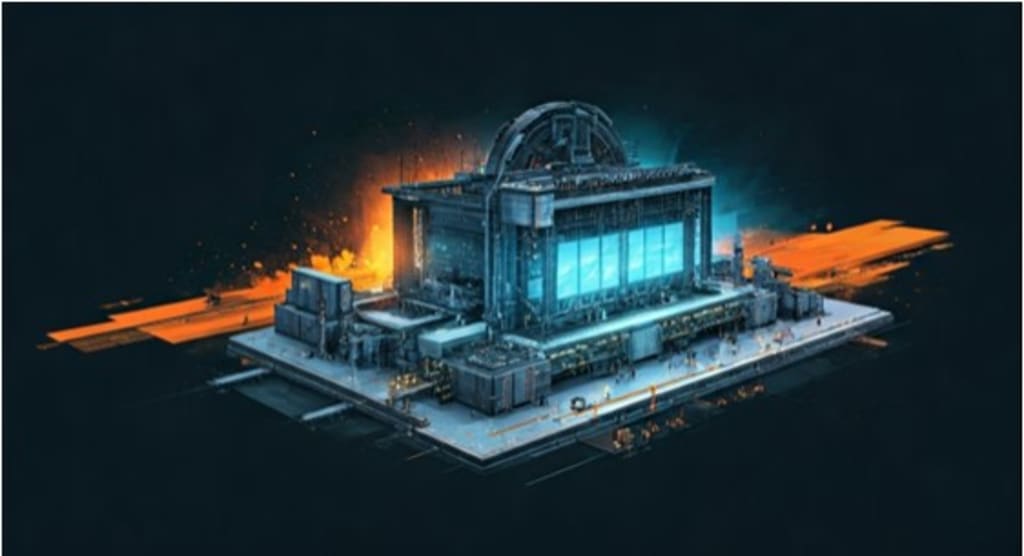
3D scanning in construction improves efficiency by quickly and accurately capturing as-built conditions, reducing measurement errors and rework. It allows for precise 3D modeling and clash detection, streamlining project planning and execution while minimizing costly delays and changes on site.
Key Highlights
3D scanning and BIM are revolutionizing the construction industry, offering unparalleled accuracy and efficiency.
These technologies enable the creation of detailed digital twins, facilitating better collaboration and informed decision-making.
The integration of 3D scanning and BIM leads to significant cost savings by minimizing rework and optimizing project timelines.
This combination finds applications in various construction projects, from historical renovation to modern infrastructure development.
As technology evolves, 3D scanning and BIM are poised to play an even greater role in sustainable and efficient building practices.
Introduction
The construction industry is changing quickly due to new technology. Building Information Modeling (BIM) leads this shift. It helps create smart 3D models that show all spatial relationships and parts of a construction project. This digital representation of a building acts as a central place for information. It encourages better teamwork, boosts efficiency, and cuts down costs.
The Evolution of 3D Scanning and BIM in Construction

The way we build has changed a lot. In the past, people mainly used blueprints and physical models to show their designs. These tools did not always provide the detail needed for more complex projects. This often caused mistakes, extra work, and higher costs. Then, BIM software came along. It lets everyone work together using one detailed model full of information. With 3D scanning added to BIM, we can get true data from the real world. This helps connect what we see digitally with what exists in real life.
The journey from traditional methods to modern technologies
The construction industry is experiencing a big change. This change is from traditional methods to new, innovative ways of working. Thanks to technological advancement, we can now create, manage, and share information to share information about building data in a way that was hard to imagine before. This shift has completely changed how we design, build, and run buildings and infrastructure.
How 3D scanning complements Building Information Modeling (BIM)
3D scanning works well with Building Information Modeling (BIM). It captures exact measurements using laser scanning and creates detailed point clouds. This data is key for making accurate BIM models, which improves project outcomes. The benefits of scan technology enhance the partnership between 3D scanning and BIM software, making construction phases easier for various stakeholders. By offering valuable insights and helping with data management, this combination plays a crucial role in the digital transformation of the construction industry.
Advantages of Integrating 3D Scanning with BIM
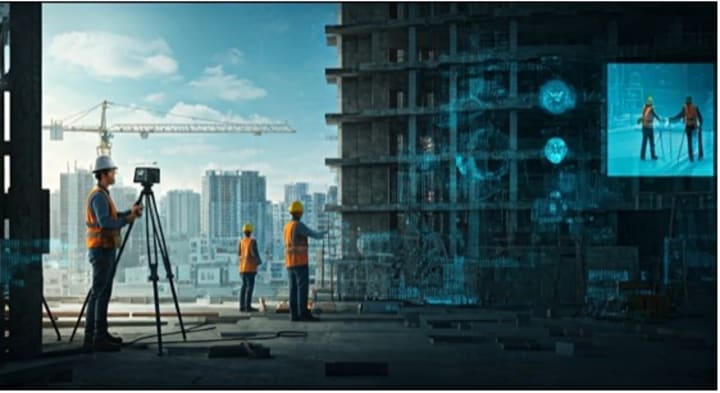
The use of 3D scanning with BIM has many benefits. It helps improve project outcomes at different stages. When we blend accurate reality capture with smart 3D modeling, construction professionals can gain high precision. This also boosts teamwork among different teams. In addition, it helps to lower overall project costs.
Enhancing accuracy and efficiency in construction projects
A big advantage of using 3D scanning with BIM is that it helps get high levels of accuracy in construction projects, especially on construction sites. Unlike traditional methods that can have human mistakes, laser scanners collect precise measurements. This lowers the chances of differences between the digital model and the real construction. With this level of precision, there is better quality control. It also cuts down the risk of expensive rework and makes the construction processes work better overall.
Reducing costs and minimizing project delays
Using 3D scanning with BIM helps save money and time through early clash detection and better project management. Here’s how:
Early Clash Detection: When we use BIM models with precise 3D scan data, we can spot clashes during the design stage. Finding and fixing possible issues between different parts of the building, like structural elements and MEP systems, helps stop expensive rework and delays during construction.
Improved Project Management: Clear as-built documentation from 3D scanning leads to better project management. It helps with accurate material takeoffs, ordering supplies, and planning logistics. This cuts down waste and makes resource use more efficient.
Practical Applications of 3D Scanning and BIM
3D scanning and BIM can be used in many ways in different types of construction projects, including historical preservation projects. They show a significant impact during many stages. These technologies are not just for big projects. They are flexible and work well for many kinds of work, like historical preservation and renovation.
Case studies: Successful integration in large-scale projects
Project
Airport Expansion
3D scanning was used to capture the existing terminal building, facilitating seamless integration of new designs with existing structures.
Improved accuracy and efficiency in the renovation process, minimizing disruptions to airport operations.
Description
Historical Renovation
Detailed scanning of a historic landmark provided the basis for accurate restoration, preserving architectural details.
Preservation of cultural heritage and accurate recreation of historical elements.
Benefits
Bridge Construction
3D scanning aided in monitoring the construction progress of a complex bridge structure, ensuring adherence to design specifications.
Real-time progress tracking, early detection of deviations, and improved quality control in construction.
Future trends: Where the industry is headed
The future of construction is closely linked to laser scanning and BIM. In recent years, these technologies have made great progress as a transformative force in the industry. Automation, cloud computing, and artificial intelligence (AI) are helping to push this innovation forward. We can expect a stronger focus on building sustainable and energy-efficient structures. BIM models will be key in studying and improving building performance. Real-time data analysis, combined with BIM, will be more crucial for making smart decisions and planning maintenance ahead of time.
Conclusion
3D scanning and BIM have changed the construction industry. They provide better accuracy, a highly accurate representation of existing conditions, more efficiency, and help save costs. By combining these technologies, projects can be completed faster and workflows can run smoothly. Successful case studies show their practical use and suggest future trends. It is clear that using 3D scanning with BIM will improve construction practices. Understanding the differences between these two approaches can help contractors add them to their current workflows. This will lead to significant growth in the industry. Embrace 3D scanning and BIM to take your construction projects to a new level.
Frequently Asked Questions
What is the difference between 3D scanning and BIM?
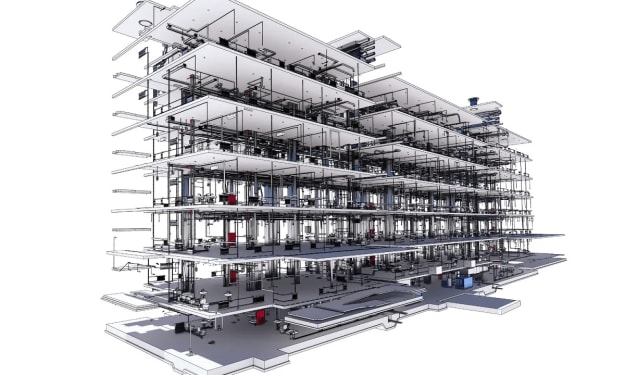
3D scanning collects a collection of data points from the physical environment. These points form what is called a "point cloud." A BIM model, however, is a digital representation of a building during its construction phases. It uses the data points from 3D scanning to turn them into smart 3D objects that help with design and construction.
How is 3D Modelling used in construction?
3D modeling is important in construction. It helps create digital models that show how the final projects will look. These models include structural elements and systems. They help everyone see the project better. This can highlight any potential issues early on. It also improves teamwork among project stakeholders. Additionally, these models can be used for virtual reality. This makes it easier to talk and share ideas with clients.
How can contractors integrate 3D scanning and BIM into their existing workflows?
Contractors can add 3D scanning and BIM to their current work by getting the right hardware and software. They should also train their project teams to use these technologies well and manage site data. Working together with different teams and stakeholders is very important for successful BIM integration in the process of creating and using digital models.
About the Creator
Alishna Brown
I am a renowned author, speaker and educator on BIM technology in the Architecture, Engineering, and Construction (AEC) industry. With over a decade of experience in the field, I have become a thought leader and consultant.
Keep reading
More stories from Alishna Brown and writers in Journal and other communities.
The Benefits of Outsourcing BIM Services to Maryland Contractors
In Maryland’s fast-paced AEC (Architecture, Engineering, and Construction) landscape, where timelines are tight, budgets are strict, and accuracy is non-negotiable, outsourcing BIM (Building Information Modeling) services has become more than just a cost-saving decision — it’s now a strategic move.
By Alishna Brown7 months ago in Journal
The goals I did not achieve
Every writing goal I made for the year is a wash. It has been this way for a while, but I think it's important to be open about my failures and the reality of how life can get in the way. This is especially true considering the several times I have posted on Vocal about my writing goals, how I was changing my approach, and where I was hoping to be for the upcoming year. I will probably do that again in a couple months, but for now, it is time to acknowledge where I am today.
By Kay Husnick24 days ago in Journal
What I Noticed When Light Stopped Feeling Sharp
I never would have described the light around me as a problem. It was bright enough. Clean. Modern. Exactly what you expect in a well designed indoor space. If someone had asked me whether the lighting felt uncomfortable, I probably would have said no.
By illumipure4 days ago in Journal



Comments
There are no comments for this story
Be the first to respond and start the conversation.