
How Color Psychology Drives Conversion With Custom Web Designs
Drive conversions with custom web designs that use color psychology to create impactful and user-focused brand experiences

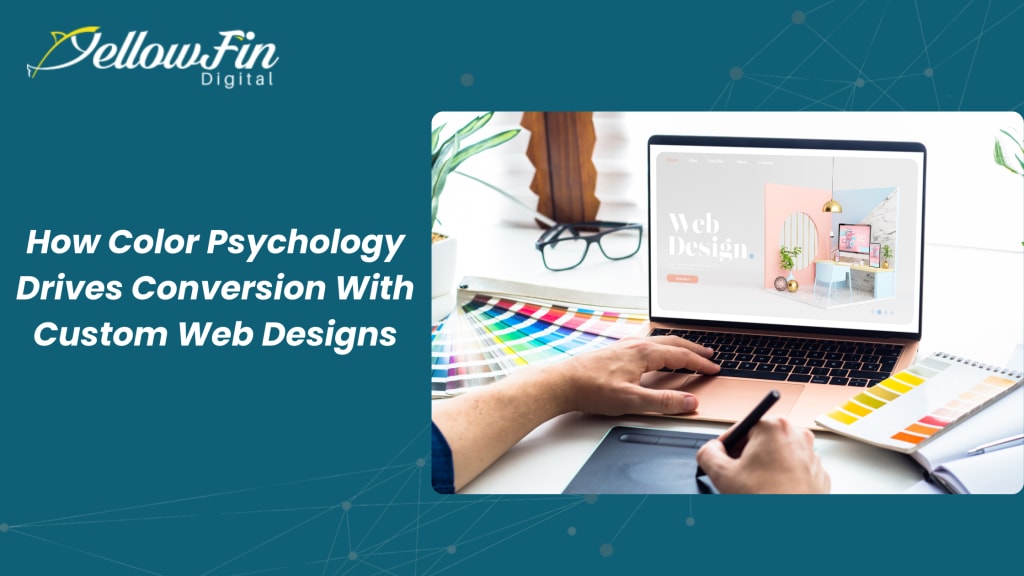
Color isn't just a visual element; it's a powerful psychological tool that influences how people perceive and interact with your brand. In the digital world, the colors you choose for your website can evoke emotions, establish trust, and ultimately drive conversions.
But achieving the perfect balance isn't as simple as picking your favorite shades—it requires a strategic approach that aligns with your brand identity and audience preferences. This is where customized web solutions can make all the difference.
By understanding the psychology of color and tailoring it to your business goals, experts ensure your website becomes more than just aesthetically pleasing—it becomes a conversion-driving machine.
In this blog, we'll explore how the strategic use of colors in custom web designs impacts user behavior and helps businesses achieve their goals.
The Science Behind Color Perception: How Colors Influence Users
Colors do more than make your website visually appealing—they significantly shape how users feel and behave. Rooted in psychology, colors evoke emotions and influence decision-making, often without users even realizing it.
Universal Emotions Associated with Colors
Some colors are universally linked to specific emotions. These connections are backed by research and used strategically in web design to evoke specific feelings.
- Blue: Symbolizes trust and dependability, making it ideal for financial or healthcare websites. It creates a sense of calm and professionalism.
- Red: Conveys energy and urgency, often used in sales or promotions to grab attention. However, it should be used sparingly to avoid overwhelming users.
- Green: Represents growth and balance. It's a popular choice for eco-friendly brands and wellness businesses emphasizing harmony and sustainability.
- Yellow: Evokes positivity and optimism, but excessive use can be overstimulating. Balanced with neutral tones, it can encourage creativity and engagement.
Tailoring Colors for Impact
Different audiences respond to colors in unique ways. For example:
- Younger audiences tend to engage more with vibrant, energetic colors like orange or yellow.
- Professional audiences prefer subdued tones like navy or gray, which convey sophistication and reliability.
- Global audiences require consideration of cultural differences. For example, white signifies purity in the West but mourning in some Eastern cultures.
How Color Enhances User Experience
Colors also improve how users navigate your website:
- Contrast: High contrast between text and background improves readability and highlights key elements like call-to-action buttons.
- Memory Retention: Consistent use of colors across your site helps users remember your brand more effectively.
Custom web design services experts strategically use colors to create meaningful user connections and drive engagement. This balance between aesthetics and psychology ensures your website leaves a lasting impression.
Applying Color Strategically in Custom Web Designs
Using color strategically in custom designs requires combining technical expertise and a deep understanding of user behavior. This section focuses on the practical integration of color to optimize user experience and business outcomes.
Creating Functional Contrast
Contrast isn't just about aesthetics—it improves functionality by ensuring key elements like navigation bars, buttons, and text are accessible to all users. Tools like contrast analyzers ensure that web elements meet Accessibility standards.
Implementation Tip: Designers must use a contrast ratio of at least 4.5:1 for text and background to make content easily readable.
Dynamic Color Schemes
Dynamic color schemes respond to user interactions or time of day. For instance, dark mode options or adaptive palettes enhance usability and user comfort.
Why It Works: A customizable experience lets users feel in control, enhancing satisfaction and engagement.
Color Placement for Maximum Impact
The strategic placement of colors guides users toward essential actions. CTAs, banners, and headlines should use bold and vibrant hues that catch attention, backgrounds and less critical elements should remain neutral to reduce visual noise.
Example: E-commerce websites use contrasting "Add to Cart" buttons to make the next step obvious and compelling.
Localization of Color Preferences
Different regions and cultures associate colors with varying meanings. Custom web design incorporates cultural color preferences, ensuring global brands resonate with diverse audiences.
Expert Tip: For example, red signifies celebration in China but may indicate danger in Western cultures. Adapting color schemes for different regions builds stronger connections.
Optimizing Colors for Performance
Colors influence website performance metrics like bounce rates and dwell time. Fast-loading palettes and optimized image formats prevent slow load speeds, which frustrate users and hurt SEO rankings.
How It's Done: Custom Web Designers use lightweight formats like SVGs for color graphics and compress images without compromising quality.
Using Data to Optimize Color Choices in Web Design
Effective use of color in web design isn't just about theory—it's about leveraging real-time data to refine and adapt your strategies for maximum impact.
A/B Testing for Color Combinations: Custom web design services often employ A/B testing to determine which color variations resonate most with users. For example, experimenting with different CTA button colors can reveal the shades that drive the highest click-through rates.
Heatmaps for User Behavior Insights: By analyzing heatmaps, designers can identify areas of a website that attract the most attention. This data helps strategically place vibrant colors to focus on underperforming sections, such as sign-up forms or product showcases.
Iterative Improvements: One of the advantages of customized web design is its flexibility. Designers can continuously refine color schemes based on performance metrics, ensuring the website evolves with user preferences and market trends.
Drive Success Through Strategic Color Choices With Custom Web Designs
A thoughtfully chosen color palette can build trust, evoke emotion, and boost conversions. However, achieving this level of strategic design requires expert intervention.
This is why businesses should opt for a custom web design company to craft a website that reflects their unique identity.
Unlike generic templates, a custom approach ensures that every design element, including color, aligns perfectly with your brand and resonates with your audience.
By choosing custom web design services, you're not just selecting colors—you're setting the stage for meaningful user experiences and long-term success.
About the Creator
Elli Brice
Digital Marketer by Profession | Content Writer by Heart!
Keep reading
More stories from Elli Brice and writers in Journal and other communities.
Local SEO Link Building: Proven Techniques for Top Rankings
Are you a local business owner looking to attract more customers in your area? If so, mastering local SEO link building is essential! When someone searches for "best pizza near me" or "plumber in [targeted city name]," you want your business to be the first one they see.
By Elli Briceabout a year ago in Journal


Comments
There are no comments for this story
Be the first to respond and start the conversation.