
How Can Pregnant Women Maintain Good Oral Health?
Dentist Tips
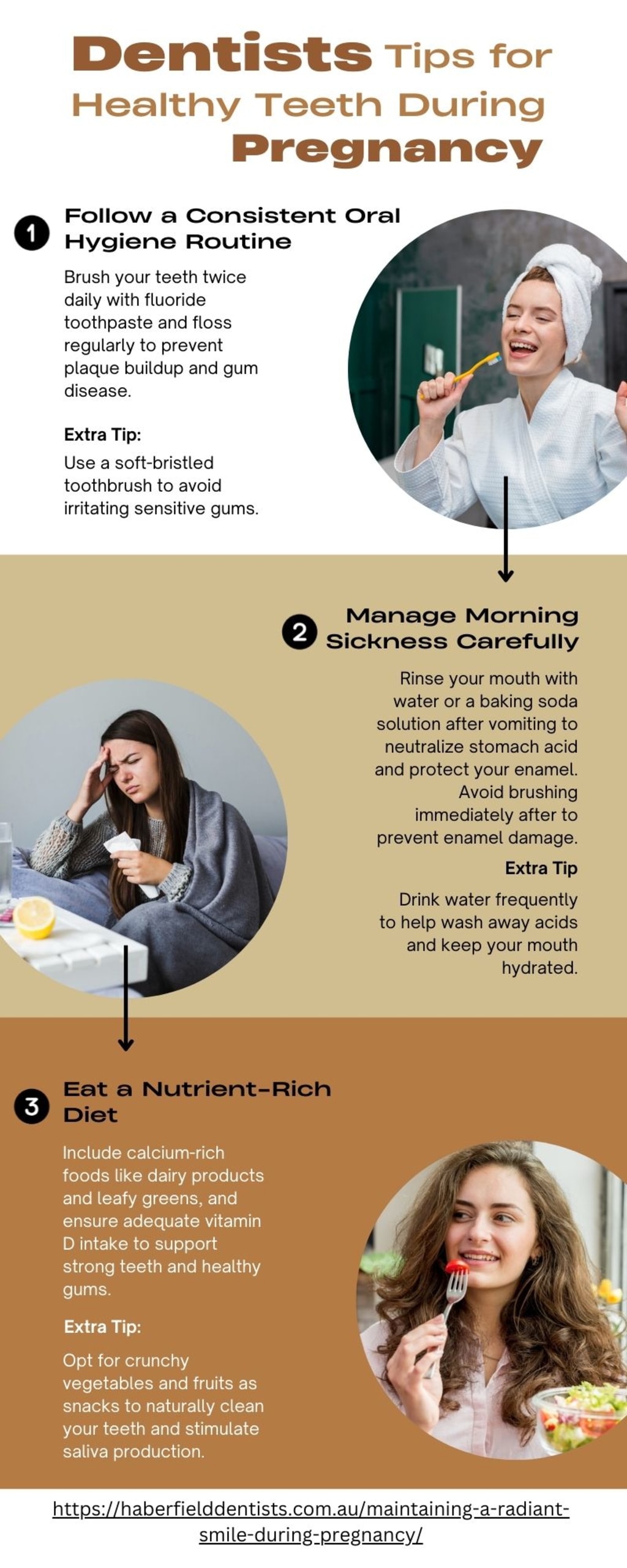
Pregnancy is a time of significant change, not just for your body, but also for your oral health. Hormonal fluctuations can affect your gums and teeth, making it essential to pay extra attention to your dental care during this period. Maintaining good oral health while pregnant is crucial not only for your own well-being but also for the health of your baby. In this blog, we'll explore practical and dentist-approved strategies to help you keep your smile healthy throughout your pregnancy. From managing morning sickness to making smart dietary choices, we'll cover everything you need to know to maintain optimal oral health and enjoy a healthy, happy pregnancy.
Practical Tips for Maintaining Good Oral Health During Pregnancy
Maintaining good oral health during pregnancy is crucial for both your well-being and your baby’s development. Here are some practical tips to help you keep your teeth and gums in excellent condition throughout your pregnancy:
Stick to a Consistent Oral Hygiene Routine
- Brush Twice Daily
Brush your teeth at least twice a day with fluoride toothpaste. This helps remove plaque and prevent cavities, which can be more common during pregnancy due to hormonal changes.
- Floss Daily
Flossing daily is essential to remove food particles and plaque from between your teeth and along the gum line. This helps prevent gum disease and keeps your breath fresh.
Manage Morning Sickness Effectively
- Rinse Your Mouth
If you experience morning sickness, rinse your mouth with water or a mixture of water and baking soda after vomiting. This helps neutralize stomach acids that can erode tooth enamel.
- Wait to Brush
Avoid brushing your teeth immediately after vomiting, as this can spread the acid and cause more damage. Wait about 30 minutes before brushing to allow your enamel to recover.
Eat a Balanced Diet
- Choose Nutrient-Rich Foods
Opt for a diet rich in fruits, vegetables, lean proteins, and dairy products. These foods provide essential nutrients for both your health and your baby’s development while supporting strong teeth and gums.
- Limit Sugary Snacks
Reduce your intake of sugary snacks and beverages, which can increase your risk of cavities. Instead, choose healthy snacks like nuts, cheese, or yogurt.
Stay Hydrated
- Drink Plenty of Water
Drinking water helps rinse away food particles and bacteria, reducing your risk of tooth decay. Staying hydrated also supports your overall health and helps manage pregnancy-related symptoms.
- Avoid Sugary Drinks
Limit your consumption of sugary drinks, including fruit juices and sodas, as they can contribute to tooth decay. Opt for water or milk instead.
Visit Your Dentist Regularly
- Schedule Regular Check-Ups
Maintain regular dental check-ups to monitor your oral health throughout your pregnancy. Your dentist can address any issues early and provide personalized advice based on your needs.
- Inform Your Dentist
Always let your dentist know that you are pregnant. This information helps them provide the best care and adjust any treatments to ensure they are safe for you and your baby.
By following these tips, you can maintain excellent oral health during your pregnancy and ensure a healthier smile for both you and your baby.
Addressing Common Oral Health Concerns During Pregnancy
During pregnancy, you might encounter specific oral health issues that require extra attention. Understanding and addressing these concerns can help you maintain a healthy mouth throughout this important time. Here’s how to manage some common dental issues that pregnant women may face:
Pregnancy Gingivitis
- Recognize the Symptoms
Pregnancy gingivitis is a common condition where your gums become red, swollen, and bleed easily. This is due to hormonal changes that affect your gum tissue.
- Manage Symptoms
To manage pregnancy gingivitis, continue practicing good oral hygiene by brushing and flossing regularly. Use a soft-bristled toothbrush and consider an antimicrobial mouthwash to help reduce gum inflammation. If symptoms persist, consult your dentist for advice and possible treatments.
Pregnancy Tumors
- Understand What They Are
Pregnancy tumors, also known as pyogenic granulomas, are non-cancerous growths that can appear on your gums due to increased blood flow and hormonal changes. They often look like reddish, swollen lumps.
- Treat and Prevent
These growths typically resolve on their own after delivery, but they can be removed if they cause discomfort or interfere with oral hygiene. Maintain good oral hygiene to prevent their development, and discuss any concerns with your dentist.
Tooth Sensitivity
- Identify the Causes
Hormonal changes can lead to increased tooth sensitivity, especially if you experience morning sickness or have a diet high in acidic foods.
- Alleviate Discomfort
To manage tooth sensitivity, use a toothpaste designed for sensitive teeth. Avoid acidic foods and beverages, and rinse your mouth with water after consuming them. If sensitivity persists, consult your dentist for additional solutions.
Cavities and Decay
- Monitor Your Diet
Pregnancy can increase your risk of cavities due to changes in your diet and oral hygiene routine. Pay attention to your eating habits and try to avoid frequent snacking on sugary foods.
- Seek Dental Care
If you notice any signs of cavities, such as toothache or sensitivity, seek dental care promptly. Regular check-ups can help catch and address cavities early, ensuring they don’t progress.
Oral Hygiene Practices
Adjust Your Routine as Needed
Hormonal changes can affect your oral health, so be prepared to adjust your oral hygiene routine as necessary. This might include using products specifically designed for sensitive gums or seeking advice on the best techniques for your changing needs.
Stay Informed
Stay informed about oral health changes during pregnancy by consulting with your dentist and accessing reliable information. This helps you make informed decisions and take proactive steps to maintain your oral health.
By addressing these common concerns and following your dentist’s recommendations, you can effectively manage your oral health during pregnancy and ensure a healthier smile for you and your baby.
FAQs
Is it safe to get dental work done during pregnancy?
Yes, it is generally safe to get dental work done during pregnancy. Most routine dental procedures, such as cleanings and exams, can be performed safely. However, it’s important to inform your dentist that you are pregnant so they can tailor any treatments to your specific needs and ensure they are safe for both you and your baby.
How can I manage pregnancy gingivitis?
Pregnancy gingivitis is common due to hormonal changes. To manage it, maintain a consistent oral hygiene routine with brushing and flossing, use a soft-bristled toothbrush, and consider an antimicrobial mouthwash. If symptoms like swollen or bleeding gums persist, consult your dentist for further evaluation and treatment.
What should I do if I experience increased tooth sensitivity during pregnancy?
If you experience increased tooth sensitivity, try using a toothpaste designed for sensitive teeth. Avoid acidic foods and beverages, and rinse your mouth with water after consuming them. If sensitivity continues or worsens, consult your dentist for personalized advice and possible treatments.
How can I prevent cavities during pregnancy?
To prevent cavities, maintain good oral hygiene by brushing twice daily with fluoride toothpaste and flossing daily. Limit your intake of sugary snacks and drinks, and drink plenty of water to help rinse away food particles and bacteria. Regular dental check-ups are also crucial for catching and addressing any potential issues early.
What are pregnancy tumors, and how should I deal with them?
Pregnancy tumors, or pyogenic granulomas, are non-cancerous growths that can appear on your gums due to increased blood flow and hormonal changes. They often resolve on their own after delivery, but if they cause discomfort or interfere with oral hygiene, discuss treatment options with your dentist. Maintaining good oral hygiene can help prevent them from developing.
About the Creator
Reader insights
Nice work
Very well written. Keep up the good work!
Top insights
Easy to read and follow
Well-structured & engaging content
Excellent storytelling
Original narrative & well developed characters
Expert insights and opinions
Arguments were carefully researched and presented
Eye opening
Niche topic & fresh perspectives
On-point and relevant
Writing reflected the title & theme
Keep reading
More stories from Dentist Leichhardt and writers in Journal and other communities.
Does Eating Hard Things Make Your Teeth Stronger?
Some folks feel that consuming hard objects will help improve their teeth as exercise helps increase the muscle mass. Snacks such as eating raw vegetables, nuts or even an ice may be deemed healthy for the teeth, but are they really detrimental for our teeth? Oddly enough, can chewing on hard materials truly strengthen your teeth or is it just another way to introduce harm than benefit? Chewing hard foods: as you might have noticed, chewing hard foods is a rather popular topic in articles on dental health, which we will discuss in detail in this article. Through awareness of these factors, you are placed in a better position to make certain choices on what to eat in order to obtain a healthy teeth and gums.
By Dentist Leichhardtabout a year ago in Journal
~ Fired ~
— Ai Intrusion ~ Are you Next ~ Is Ai Evolution after your job? — Few workplaces haven't been affected. Ai is in supermarkets, at doctors' offices, and even monitoring farms. I just can't think of anything this machine is not getting into, can you? For instance: Education ~ Law and Tech jobs will one day have a major influence or be taken over by these inanimate machines, with accuracy and vigor. From mechanics' diagnoses to a wide variety of everyday jobs, including fast food workers, with this input having the ability to cut their unnecessary work hours. I'm certain all of us have been touched by this with our short stories and colorful headings, have you? Even comments are very questionable 'Non-Robot' insertions.
By Jay Kantor2 days ago in Journal
Number of US-Style ‘Battering Ram’ Pickup Trucks on UK Roads Nearly Doubles in a Decade
The Rising Trend of Pickup Trucks in the UK In the last ten years, the number of US-style pickup trucks on UK roads has almost doubled, according to recent transport reports. These vehicles, often referred to by enthusiasts and critics as “battering rams” due to their size, high front bumpers, and heavy construction, are becoming increasingly common in both urban and rural settings.
By Aarif Lashari7 days ago in Journal
After the Storm
After the storm of winter snow there sat a small bear by the name Ted, of course. He loves the snow and likes to roll around in it making all sorts of trails and whatever he has a mind to do. He wondered where all the people are, but in a way, he is hoping that they are all snug in the homes maybe drinking hot chocolate-one of his favorite drinks with mini-marshmallows and eating something homemade for he likes this winter wonderland all to himself to romp and play and maybe even catch some fish down by the river.
By Mark Graham5 days ago in Fiction



Comments (1)
I really love your content and how it's crafted , I love it and happily subscribed , you can check out my content and subscribe to me also , thanks for this beautiful one