
How can I verify that the cows are genuine Punganur breed?
Breif about punganur cows
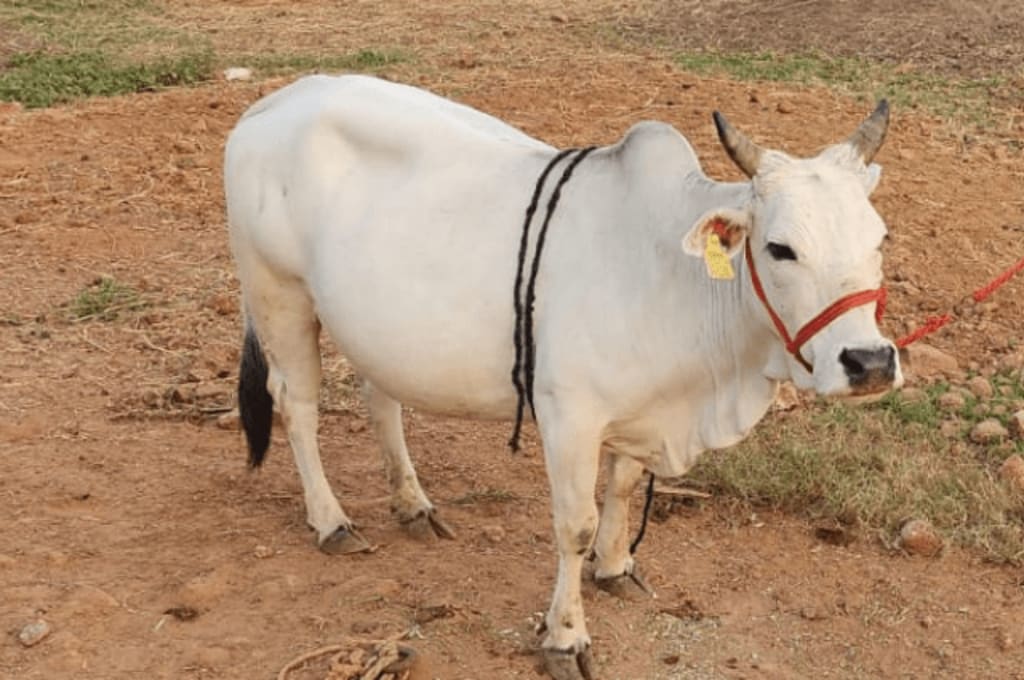
Introduction:
Just imagine a breed that is too short and produces high quality milk and acts as a friendly pet in our houses.Is it really available in our daily lives?As you dive deeper, you’ll uncover the fascinating story of survival, tradition, and the race against time to save one of India’s most precious cows. These cows act as friendly and nurturers.
History
However, with the modern farmings and exotic breeds of cattle coming into India, the number of Punganur cows came down to a very minimal amount. In fact, by the late 20th century, it was at an all-time low, hence put under the list of endangered breeds.
Punganur cows are one of the least bred races of cattle, mainly bred in southern India, particularly from Chittoor district of Andhra Pradesh.Originating from this region, these are low in stature with high milk production compared to the size.
1. Physical Characteristics
Height and Weight Specifications
The average height is only 70-90 cm, so these are perfect for small-scale farming. Bulls weigh about 225 kg, whereas the cows weigh much less, approximately 115 kg.
This size makes them perfect for houses or farms with little space.
Due to their small size and friendly nature, they have become the most sought-after mini cow or pet cow by families.
The conservation status of Punganur cattle has gained attention due to declining population trends. According to the 2019 Livestock Census, there are approximately 13,275 Punganur cattle, with Andhra Pradesh leading in numbers.
Body Shape
It is elongated with a very well-defined ribcage providing ample space and structure to it.
Bulls have horns that curve backward and forward, while cows' horns tend to extend laterally.
Their hump slopes from front to hindquarters, and their long tail reaches the ground, making them look different.
The udders of cows are well-developed, suitable for milk production, and their teats are easy to handle.
Color Variations
The color variations of Punganur cows include white, grey, brown, and red.
These different coat colors are a reflection of the genetic richness of the breed and add visual appeal to their already charming presence.
Adaptability and Hardiness
These cattle breeds easily adapt and thrive well in heat and drought, taking a feed intake that is around 5 kilograms for its daily ration, making this breed efficient even in unideal conditions.
Their hardness and drought resistance are strong characteristics why their survival in rural farming is seen to be sustainable.
Rarity and Conservation
Punganur cows are considered rare, with an estimated population of just 13,275 according to the 2019 Livestock Census.
The breed can be found mainly in Andhra Pradesh, and conservation is absolutely needed to keep the unique cows further.
Their dual-purpose nature has made them invaluable for sustainable practices in agriculture, producing high-quality manure aside from milk.
Behavioral Characteristics and Temperament
Punganur cows are also said to be docile and friendly.
They are, therefore, easy to handle and interact with. Social animals tend to attach themselves to their owners as well as other cattle.
Gentle disposition makes them very suitable for households that seek miniature cows or even micro miniature cows that can serve as both companions and productive members of the farm.
2. Milk Quality
Rich in fat and protein, milk from Punganur cows is absolutely nutritious.
Average yield of a Punganur cow in a day is 3-5 liters.
The fat content can be as high as 8%, much higher than common cow's milk, which has around 3-5% fat.
This milk not only tastes great but is also medicinal, providing a lot of health benefits to the consumer.
This article also states research and performance data related to Punganur cattle with regards to physical traits, quality of milk, and status in the conservation.These were carried out at Sri Venkateswara Veterinary University primarily through the Livestock Research Station, Palamaner.
Health
Milk from the Punganur cow is high in fat content and is medicinally sound and, thus, considered a healthy beverage for better health in terms of skin condition and resistance towards diseases and improving digestive strength.
3. Types in Punganur Cows
Miniature Breed
These small-sized cows are ideal for limited spaces. They are friendly, gentle, and provide good milk production despite their petite size.
Height: Maximum 2.5 feet
Milking Capacity: 1 to 3 liters/day
Colors: White, Black, Brown
Lifespan: Up to 20 years
Micro Miniature Breed
Micro miniature cows are even smaller in size than the miniature breed. They can grow up to 2 feet in height at maximum. They are excellent for small-scale farming and are loved for their compact size and gentle disposition.
Height: 2 feet
Milking Capacity: 1 to 2 liters/day
Colors: White, Black, Brown
Lifespan: Up to 20 years
Nano Breed
These ultra-compact cows are the smallest of the miniature breeds. They are adorable and highly suited for those looking for a small cow breed or a little cow to keep as a companion.
Height: Up to 1 foot, below 2 feet
Milking Capacity: 1 liter/day
Colors: White, Black, Brown
4. Documentation & Certification
To verify the authenticity of Punganur cows, ensure that the breeder provides the following documentation:
Breed Certificate: Issued by a registered breeder or livestock development authority approved by the government.
Registration with local Livestock Board: This includes registration with organizations such as the National Bureau of Animal Genetic Resources (NBAGR).
Pedigree Records: This includes records of the cow's ancestry to establish its lineage and purity.
5. Consult an Expert
Veterinarians and livestock inspectors specializing in indigenous breeds can be consulted to identify authentic Punganur cows. Breeding associations and agricultural universities are also useful resources for verifying the authenticity of the breed.
6. Raising a Punganur Cow
Punganur cows are ideal for urban and rural families alike, because they are small in size and calm in nature. They love small spaces and are not very difficult to take care of. If raised as pets, they would need nutritious food, shelter, and veterinary care from time to time.
7. Can They Be Kept as Pets?
Due to their miniature size, Punganur cows are ideal for households which require a mini cow as a pet.Friendly nature and docile temper make them the most excellent companions for families. In fact, many rural Indian homes love such cows because they can offer milk and are gentle as well as manageable.
Conclusion
Punganur cows are more than just livestock—they are companions, nurturers, and symbols of India's rich agricultural heritage. Their rare breed status, unique milk quality, and adaptability make them both practical and endearing. Whether cherished for their milk or companionship, they enrich lives in countless ways. Embracing a Punganur cow means preserving a living legacy and forming a bond that lasts a lifetime.Building relationship with your pets it's an ongoing journey.where we stick to the memories and create happiness with them. Every step with your pets will be memorable.
Ready to bring home a Punganur cow? Visit Petsfolio for trusted guidance, expert care tips, and resources to help you find and care for this rare breed. Your journey to owning a unique miniature cow starts here!.
About the Creator
Keep reading
More stories from writers in Journal and other communities.
Elizabeth Smart: The Full Story of Her Kidnapping, Rescue, and Legacy
Elizabeth Smart is one of the most well-known kidnapping survivors in American history. Her case captured national attention in 2002 and has resurfaced in the spotlight with the release of the Netflix documentary Kidnapped: Elizabeth Smart in January 2026.
By Vincent Otiri7 days ago in Journal




Comments
There are no comments for this story
Be the first to respond and start the conversation.