
How Can an Emergency Dentist Help with Swelling and Infections?
Emergency Dentist
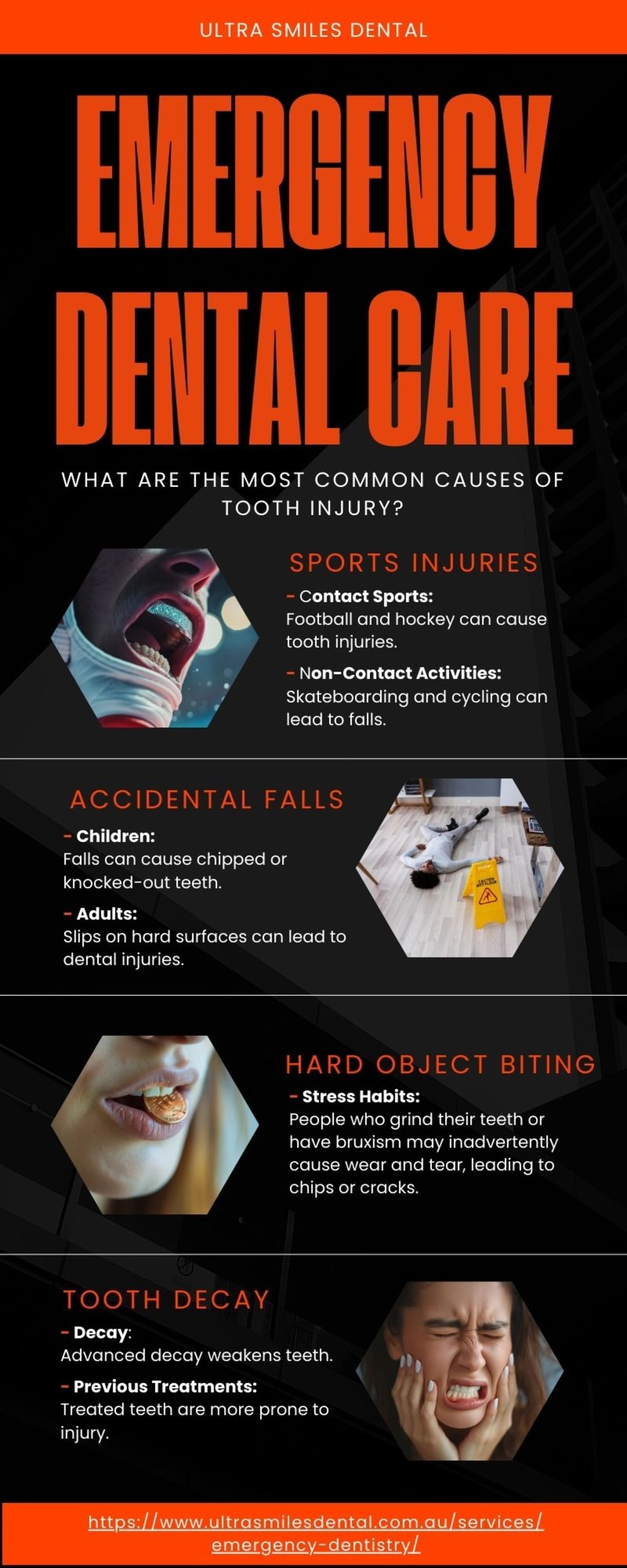
Swelling and infections in the mouth can be alarming and painful, often signaling a serious underlying dental issue that requires immediate attention. While over-the-counter pain relievers may offer temporary relief, they do not address the root cause of the problem. This is where an emergency dentist comes into play. Whether it's a sudden abscess, gum infection, or facial swelling due to a dental injury, emergency dentists are equipped to provide prompt, effective treatment to alleviate pain and prevent further complications. In this article, we'll explore how an emergency dentist can help manage swelling and infections, ensuring your oral health is swiftly restored.
Common Causes of Dental Swelling and Infections
Swelling and infections in the mouth can arise from a variety of dental issues, each requiring a different approach for effective treatment. Here are some common causes:
- Dental Abscesses: A dental abscess is a pocket of pus caused by a bacterial infection, usually resulting from untreated cavities, gum disease, or a cracked tooth. It can cause significant swelling in the gums, jaw, or face and is often accompanied by severe pain, fever, and a foul taste in the mouth.
- Gum Infections (Periodontal Disease): Swelling in the gums can also be due to gum infections like gingivitis or periodontitis. These infections can lead to red, swollen gums that bleed easily and, if left untreated, may cause more serious health problems, including bone and tooth loss.
- Impacted Wisdom Teeth: When wisdom teeth are unable to emerge properly, they may become impacted, leading to swelling, infection, and pain in the surrounding areas. An emergency dentist can assess the situation and provide the necessary treatment, such as extraction or antibiotics, to alleviate symptoms.
- Trauma or Injury: Dental injuries, such as a knocked-out or fractured tooth, can lead to swelling and infection if not promptly treated. Bacteria can quickly enter the injured area, causing inflammation and a potential spread of infection to surrounding tissues.
- Poor Oral Hygiene and Tooth Decay: Neglecting regular brushing and flossing can lead to plaque buildup and cavities, which, if left untreated, can develop into infections that cause swelling in the gums and other parts of the mouth.
By understanding the common causes of dental swelling and infections, you can better recognize the signs that warrant a visit to an emergency dentist. In the next section, we will discuss the specific treatments that emergency dentists provide to address these urgent issues.
How Emergency Dentists Treat Swelling and Infections
When faced with swelling and infections, emergency dentists employ various treatments to address the root cause, relieve pain, and prevent further complications. Here are some of the most common treatments they offer:
- Drainage of Abscesses: For dental abscesses, one of the first steps an emergency dentist will take is to drain the pus-filled pocket to relieve pressure and pain. This procedure helps reduce swelling and eliminate the infection source. Depending on the severity, the dentist may also perform a root canal to remove infected tissue from the tooth’s interior or, in extreme cases, extract the affected tooth.
- Prescription of Antibiotics: To combat bacterial infections causing swelling, emergency dentists often prescribe antibiotics. These medications are essential to help eliminate the infection and prevent it from spreading to other areas of the mouth, jaw, or even the bloodstream, which can pose a serious health risk. Antibiotics may be used alone or in conjunction with other treatments, depending on the severity of the infection.
- Gum Cleaning and Debridement: For gum infections or periodontal disease, emergency dentists may perform deep cleaning procedures such as scaling and root planing. These techniques remove plaque and tartar buildup from below the gumline, reducing inflammation and promoting gum healing. In more severe cases, surgical intervention may be required to remove infected tissue and repair damaged areas.
- Pain Management: Emergency dentists prioritize pain relief for their patients. They may administer local anesthetics, prescribe painkillers, or suggest over-the-counter medications to manage discomfort while other treatments take effect. In some cases, anti-inflammatory medications are recommended to reduce swelling and provide relief.
- Emergency Tooth Extractions: If a tooth is severely damaged, decayed, or the source of a persistent infection, an emergency dentist may need to perform an extraction to prevent the infection from spreading. Tooth extractions are often followed by a discussion of replacement options, such as implants or bridges, to restore functionality and aesthetics.
- Treatment for Oral Injuries: In cases of trauma or injury leading to swelling, such as a fractured or dislodged tooth, emergency dentists provide immediate care to stabilize the affected area. This may include repositioning a dislodged tooth, applying a protective splint, or performing minor surgical procedures to repair soft tissue damage.
By employing these treatments, emergency dentists play a crucial role in managing swelling and infections, ensuring that immediate relief is provided and long-term oral health is preserved. In the following section, we will explore some preventive measures to minimize the risk of such dental emergencies.
FAQs
What Causes Swelling and Infections in the Mouth?
Swelling and infections in the mouth can be caused by various factors, including tooth decay, gum disease, abscesses, injuries, or untreated cavities. These issues can lead to bacterial infections that cause pain and inflammation.
When Should I See an Emergency Dentist for Swelling or Infections?
You should see an emergency dentist if you experience severe pain, swelling that spreads to the face or neck, difficulty breathing or swallowing, or signs of infection like fever. Immediate attention can prevent the condition from worsening.
How Does an Emergency Dentist Treat Oral Swelling and Infections?
An emergency dentist will assess the cause of the swelling or infection and may provide treatments such as draining an abscess, prescribing antibiotics, performing a root canal, or extracting a severely damaged tooth to alleviate pain and prevent the spread of infection.
Can I Manage Swelling and Infections at Home Before Seeing an Emergency Dentist?
While you can use ice packs, over-the-counter pain relievers, and rinse with warm salt water to reduce discomfort, these are temporary solutions. It is important to see an emergency dentist as soon as possible for a proper diagnosis and treatment.
What Are the Risks of Ignoring Swelling or Infections in the Mouth?
Ignoring swelling or infections can lead to more serious complications, such as spreading the infection to other parts of the body, permanent damage to teeth and gums, and even life-threatening conditions. Early intervention by an emergency dentist is crucial.
About the Creator
Keep reading
More stories from Peter Mosis and writers in Journal and other communities.
Baby’s First Dentist Visit: What Every Parent Needs to Know
Your baby’s first dentist visit is a significant milestone, marking the beginning of their journey toward lifelong oral health. As a parent, knowing when to schedule this first visit and how to prepare can help make the experience smooth and positive for both you and your little one. Early dental care plays a crucial role in preventing future oral health issues and establishing healthy habits from the start. In this guide, we’ll cover everything you need to know about your baby’s first dentist visit, from when to go and what to expect, to how to ensure your baby feels comfortable throughout the process.
By Peter Mosisabout a year ago in Journal
The goals I did not achieve
Every writing goal I made for the year is a wash. It has been this way for a while, but I think it's important to be open about my failures and the reality of how life can get in the way. This is especially true considering the several times I have posted on Vocal about my writing goals, how I was changing my approach, and where I was hoping to be for the upcoming year. I will probably do that again in a couple months, but for now, it is time to acknowledge where I am today.
By Kay Husnick23 days ago in Journal
The Devil's Cut
“Comrade, finally you’re awake.” The voice was smooth, sensual. A flickering incandescent bar was all that lit the white, sterile room. All Vladimir remembered was everything going black. He tried to move his arms and found them strapped to the gurney.
By Matthew J. Fromm4 days ago in Fiction



Comments
There are no comments for this story
Be the first to respond and start the conversation.