
How Businesses Can Support Global Health Initiatives
Involvement for Businesses

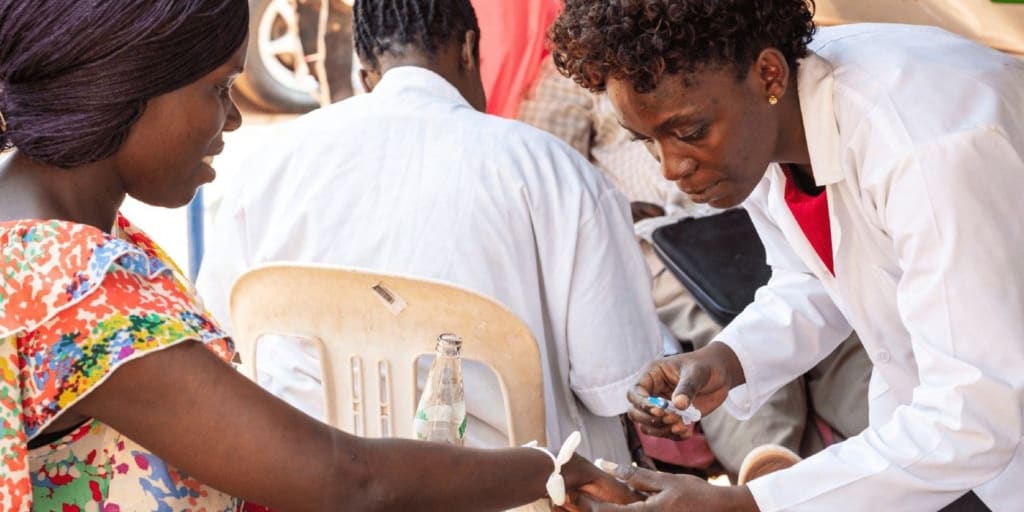
As businesses become increasingly influential on the global stage, they are uniquely positioned to contribute to the advancement of global health initiatives. Whether through financial support, partnerships, or innovative solutions, companies across industries are recognizing that improving public health is not solely the domain of governments and nonprofits. For businesses, supporting global health initiatives can align with their broader mission while creating a positive social impact.
Areas of Involvement for Businesses.
Businesses can engage in global health initiatives in a variety of ways, ranging from providing resources and funding to partnering with international health organizations. Financial contributions can help address urgent public health needs, such as responding to pandemics, improving access to essential medications, and funding health education programs.
Additionally, companies can contribute through their expertise. Pharmaceutical firms, for example, have the capacity to develop new treatments and vaccines, while technology companies can support the development of health tech solutions such as mobile health apps or telemedicine platforms. Some businesses can also share their logistics, supply chains, or operational expertise to help distribute health products in underserved areas.
Michael Shvartsman, an advocate for corporate social responsibility, believes that businesses have both a responsibility and an opportunity to contribute to global health. He says, “Global health challenges are vast, and no single entity can solve them. Businesses can step in by leveraging their strengths, whether it’s technology, innovation, or resources, to fill critical gaps in healthcare. By doing so, they are helping communities in need and building a foundation for long-term prosperity.”
Integrating Health Support into Business Practices.
Businesses don’t have to look far to find ways to support global health. Some companies choose to embed health-focused programs into their daily operations. For example, manufacturers can reduce emissions and pollutants to improve air quality, which directly impacts public health. Companies can also focus on ensuring their employees have access to comprehensive healthcare benefits, in their home countries and globally.
Additionally, businesses with a global reach can use their presence in different regions to educate communities on health issues, like nutrition, hygiene, or maternal care. Michael Shvartsman notes, “Education is an underrated part of global health. Companies that invest in awareness and training, whether in their workforce or through community programs, contribute to long-term change.”
The Role of Technology in Global Health.
One of the most transformative ways businesses can influence global health is through technology. Digital tools like telemedicine, wearable health devices, and data analytics can improve healthcare access, particularly in regions where medical infrastructure is lacking.
Michael Shvartsman points out, “Technology offers a powerful way to scale healthcare solutions. A small innovation, like a mobile health app, can connect thousands of patients in remote areas to medical professionals. Companies that develop or invest in these solutions can have a far-reaching impact on global health outcomes.”
Sustainable Business Contributions to Health.
Michael Shvartsman also stresses the importance of sustainability in business contributions to global health. He suggests that businesses think long-term: “It’s essential for companies to design sustainable programs that can be maintained over time. Offering short-term aid might help in the immediate future, but long-term investments in healthcare systems or infrastructure will create lasting improvements.”
For example, businesses can contribute to building health facilities, investing in renewable energy to power healthcare centers, or creating programs that provide ongoing training for healthcare workers in underserved areas.
The Future of Business Engagement in Global Health.
As global health challenges evolve, businesses will likely play an even more prominent role in addressing issues such as infectious diseases, access to clean water, maternal health, and mental health. In the coming years, we can expect to see more companies making global health a central part of their social responsibility strategies, whether through financial contributions, health innovations, or operational expertise.
Michael Shvartsman believes that the future of business support in global health will be defined by innovation and collaboration. “In the future, we’ll see more businesses working together across industries to find solutions that address health disparities. The key is collaboration. One business’s contribution can make a difference, but when companies pool their resources and ideas, the impact can be transformative.”
By investing in global health, businesses can improve the well-being of communities worldwide while building a reputation as socially responsible organizations. In the long run, businesses that contribute to global health initiatives are also investing in a healthier, more sustainable future for everyone.
About the Creator
Michael Shvartsman
Entrepreneur who cares about the world we live in. Founder and Managing Partner of Rocket One Capital.
Keep reading
More stories from Michael Shvartsman and writers in Journal and other communities.
The Impact of Interest Rates on Investment Strategies
Interest rates play a significant role in shaping investment decisions. Whether rates are rising, falling, or remaining steady, their influence can be seen across various asset classes and economic activities. According to Michael Shvartsman, understanding the relationship between interest rates and investment strategies is essential for navigating the financial landscape and making informed decisions.
By Michael Shvartsmanabout a year ago in Journal
THE RIP Review: Does Joe Carnahan’s New Heist Thriller Deliver or Fall Apart Under Pressure?
Director Joe Carnahan has always been something of an American counterpart to Guy Ritchie—he gravitates toward gritty cops-and-robbers chaos, high-velocity shootouts, and snappy criminal banter. And true to form, his latest project, THE RIP, leans right into that wheelhouse.
By Bella Andersonabout 18 hours ago in Journal



Comments
There are no comments for this story
Be the first to respond and start the conversation.