
How an Organic Waste Converter is Changing Our Approach to Trash
Organic Waste Converter & Composting Machine: Turn Waste into Valuable Compost
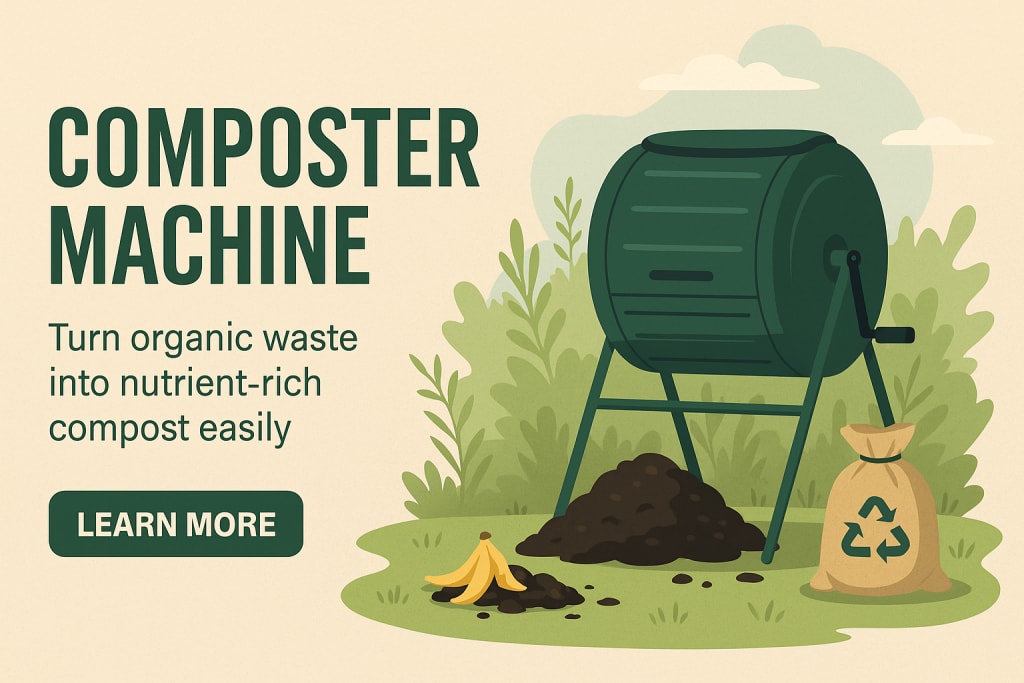
Every day, the world produces tons of organic waste — leftover food scraps, garden clippings, and other biodegradable materials. While this waste seems like a problem, it actually holds great potential if managed correctly. Instead of throwing it away and contributing to pollution, we can turn this waste into something valuable: nutrient-rich compost. This is where an organic waste converter steps in, revolutionizing how we deal with organic trash in homes, farms, and industries.
In this article, we’ll explore what an organic waste converter is, how it works, and why it’s becoming an essential tool for sustainable living. We’ll also touch on the role of the composting machine and why investing in one can benefit you and the planet.
What is an Organic Waste Converter?
At its core, an organic waste converter is a device designed to transform organic waste into compost, a natural fertilizer. Unlike traditional composting methods that can take weeks or months, these machines accelerate the process, breaking down waste efficiently and quickly.
The concept sounds simple but involves smart technology that controls temperature, moisture, and aeration to create an ideal environment for microorganisms. These tiny helpers eat away at the waste, turning it into humus — a rich, dark substance full of nutrients that plants love.
This technology is a game-changer for businesses, municipalities, and even individuals who want to reduce waste and create something useful from it. It’s an environmentally friendly alternative to sending organic waste to landfills, where it produces methane, a potent greenhouse gas.
How Does an Organic Waste Converter Work?
Imagine a compact machine that accepts organic scraps, then, through a combination of heat, moisture, and air circulation, rapidly decomposes this waste. Here’s a simple breakdown of the process:
Loading: Organic waste like vegetable peels, fruit scraps, and garden waste is fed into the machine.
Shredding: The waste is chopped into smaller pieces to increase surface area for faster decomposition.
Decomposition: Inside the machine, controlled heat and aeration create perfect conditions for bacteria and fungi to break down the waste.
Drying and Cooling: After decomposition, the machine dries the compost to reduce moisture, preventing mold or odor.
Output: What comes out is rich compost ready to be used as fertilizer.
Unlike traditional compost piles, which depend heavily on weather and manual effort, this process is faster, more hygienic, and odor-free.
Why Should You Use an Organic Waste Converter?
The benefits of using an organic waste converter stretch far beyond just managing garbage. Here are some reasons why they are gaining popularity:
Environmental Impact: Organic waste in landfills produces methane, a greenhouse gas contributing to climate change. By converting this waste into compost, we reduce emissions and help protect the planet.
Waste Reduction: It significantly cuts down the volume of waste that would otherwise go to landfill or incineration.
Cost Savings: Instead of paying for waste disposal, you can save money by turning waste into a resource. Plus, the compost produced reduces the need for chemical fertilizers.
Soil Health: Compost enriches soil, improves water retention, and encourages healthy plant growth, making it perfect for gardens, farms, and landscaping.
Odor and Pest Control: Properly managed organic waste converters eliminate the foul smell and avoid attracting pests like rodents and flies.
The Role of a Composting Machine in Daily Life
If you’re wondering how you can bring this technology closer to home or business, a composting machine might be the answer. It’s a type of organic waste converter designed for everyday use, making composting accessible, easy, and efficient.
Composting machines come in various sizes—from small units for household kitchens to large industrial setups. Their user-friendly design means anyone can operate them with minimal effort. You simply put your organic waste inside, and the machine takes care of the rest.
For homes, these machines help reduce the volume of trash drastically and create compost for gardens or potted plants. For restaurants, hotels, and food processing units, composting machines manage kitchen scraps effectively, promoting sustainability and waste management compliance.
Who Should Consider Investing in an Organic Waste Converter or Composting Machine?
Farmers: They can turn crop residues and animal waste into compost that nourishes the soil naturally.
Restaurants and Hotels: These places generate a lot of food waste daily. Organic waste converters help them manage waste sustainably and even save on waste disposal costs.
Municipalities: City councils can deploy these machines in public spaces or markets to reduce landfill waste and create compost for parks and gardens.
Homeowners and Gardeners: Smaller composting machines are perfect for eco-conscious individuals who want to manage their organic waste responsibly.
Businesses and Industries: Many industrial units dealing with organic waste can benefit from this technology to meet environmental regulations and reduce their carbon footprint.
Tips to Maximize the Efficiency of Your Organic Waste Converter
To get the best out of your organic waste converter or composting machine, keep these tips in mind:
Avoid Non-Organic Materials: Items like plastic, glass, or metals can damage the machine and contaminate the compost.
Balance the Waste: Mix green (nitrogen-rich) and brown (carbon-rich) materials to keep the compost healthy.
Regular Maintenance: Keep your machine clean and check for any blockages or technical issues.
Proper Loading: Don’t overload the machine. Follow the recommended capacity to ensure smooth operation.
Use the Compost: Put the finished compost to work in your garden or farm to complete the eco-friendly cycle.
Looking Forward: The Future of Organic Waste Management
As awareness about climate change and waste pollution grows, technologies like the organic waste converter will become more widespread. They fit perfectly into a circular economy model, where waste is minimized, and resources are reused efficiently.
Governments and environmental organizations are also promoting the use of composting machine to help cities reduce landfill pressure. Schools, offices, and communities are adopting these solutions, turning the dream of zero waste into a reality.
Innovations in this space are continuous—machines are becoming smarter, faster, and more energy-efficient. This progress means anyone, anywhere, can contribute to sustainable waste management with minimal hassle.
Conclusion
An organic waste converter and a composting machine are not just machines—they are tools for a greener future. By converting organic waste into valuable compost quickly and efficiently, these technologies help reduce landfill waste, lower greenhouse gas emissions, and improve soil health. Whether you are a farmer, a business owner, or someone passionate about the environment, investing in an organic waste converter can transform your approach to waste and sustainability.
If you want to learn more about how these machines work and how they can fit into your life or business, visit Smartenvirosystems for in-depth insights and options.
Remember, the journey to a cleaner, healthier planet starts with small steps. Turning your organic waste into compost using an organic waste converter is one of those steps that makes a big difference.
About the Creator
Keep reading
More stories from smart enviro system and writers in Journal and other communities.
Which One Is the Best for Those Wanting to Cut Waste Fast?
Introduction Every single day, we toss leftover food, vegetable peels, and expired groceries into the trash. But have you ever stopped to think what happens after that? Most of it doesn't just “go away.” It piles up in landfills, rotting and releasing harmful gases.
By smart enviro system7 months ago in Journal


Comments
There are no comments for this story
Be the first to respond and start the conversation.