
How AI Transforming Our Lives and Our Jobs.
Why AI is no longer optional — and how we can prepare for the changes it’s bringing to work and life.
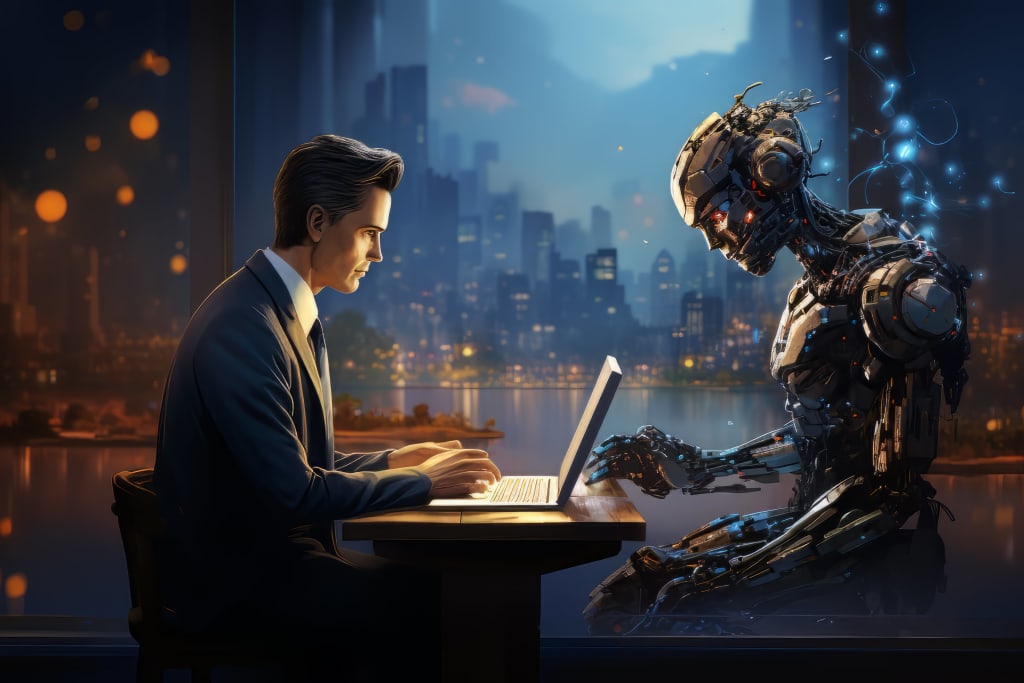
Artificial Intelligence (AI) is no longer just a futuristic idea from science fiction movies. It’s here, woven into the fabric of our daily lives — from the smartphones in our pockets to the recommendations we get on Netflix, the customer service chats we use online, and even the medical tools diagnosing diseases. But as AI rapidly evolves, it raises important questions about its necessity, its benefits, and the challenges it brings, especially regarding human jobs.
Why AI Is Becoming a Necessity
In today’s fast-paced, data-driven world, the sheer volume of information is beyond what humans can manage alone. AI is no longer a luxury — it has become a necessity for individuals, companies, and governments trying to stay ahead.
AI systems help process massive amounts of data quickly and accurately, making it possible to solve complex problems across industries. For example:
In healthcare, AI can analyze thousands of patient records and help doctors detect diseases like cancer at an early stage.
In climate science, AI models help predict weather patterns and natural disasters, potentially saving lives.
In logistics and transportation, AI optimizes delivery routes and reduces fuel consumption, improving efficiency.
Without AI, many of these tasks would either be too slow, too expensive, or simply impossible. In short, AI helps humanity keep pace with the challenges of the modern world.
The Importance of AI in Everyday Life
Beyond its technical capabilities, AI is becoming deeply important to our daily lives. Here’s how:
Healthcare improvements: AI supports diagnostics, drug development, and even robotic surgeries, improving patient outcomes and reducing medical errors.
Personalized experiences: From Spotify suggesting music to Netflix curating your next binge-worthy series, AI personalizes digital experiences in ways that would be unthinkable without automation.
Accessibility: AI-powered tools like voice assistants and real-time translation apps break down barriers for people with disabilities or language differences, creating a more inclusive world.
Education: AI is transforming how we learn, offering adaptive learning platforms that tailor lessons to individual student needs, boosting understanding and retention.
AI’s importance doesn’t just lie in convenience — it’s increasingly about improving quality of life and opening up opportunities that were once closed to many people.
How AI Can Help People
AI’s potential to improve human life is enormous. Here are some real-world examples of how it’s helping:
Disaster response: AI can analyze satellite images to assess damage after earthquakes or floods, helping relief teams act quickly.
Agriculture: AI-driven tools help farmers monitor crop health, predict weather, and improve yields, helping feed a growing global population.
Mental health: Chatbots and AI-based mental health apps offer support to people in need, especially in areas with limited access to therapists.
Workplace productivity: AI handles repetitive, time-consuming tasks — such as sorting emails, scheduling meetings, or processing invoices — freeing up human workers to focus on creative, strategic work.
In short, AI has the power to make life easier, safer, and more productive.
The Dark Side: How AI Can Destroy Jobs
However, alongside its benefits, AI poses a serious challenge: job displacement.
Many routine and repetitive jobs are at risk of being automated. This includes roles like data entry clerks, cashiers, factory workers, and even some tasks in white-collar professions like law or journalism. As AI improves, it can often perform these tasks faster, cheaper, and with fewer errors.
For example:
In manufacturing, robots are replacing assembly line workers.
In customer service, AI chatbots can handle thousands of queries without human intervention.
In transportation, self-driving technology threatens the jobs of truck drivers, taxi drivers, and delivery workers.
While AI can create new jobs (such as AI trainers, engineers, or data scientists), there’s a real risk that the people losing jobs won’t have the right skills to easily transition into these new roles. This creates a potential for economic inequality and social disruption if governments, businesses, and educators don’t act proactively.
Finding the Balance
The challenge with AI is not whether we should use it — it’s already here and becoming essential. The challenge is how we use it.
To balance the benefits and risks, society needs to focus on:
Reskilling workers whose jobs are at risk, so they can find new roles in the AI-driven economy.
Creating ethical guidelines to ensure AI is used fairly and transparently.
Investing in education to prepare younger generations for the future job market.
AI has the potential to help humanity thrive — but only if we approach it thoughtfully and responsibly.
Final Thoughts
Artificial Intelligence is transforming nearly every aspect of our lives. It offers huge benefits, from improving healthcare and education to making businesses more efficient and life more convenient. But it also brings serious challenges, especially when it comes to jobs and economic inequality.
As we navigate this AI-powered era, it’s crucial to focus on using AI to augment human potential, not just replace it. With the right approach, we can harness the power of AI to build a future that works better — not just for machines, but for all people.
About the Creator
Keep reading
More stories from Alimuzzaman zamaddar and writers in Journal and other communities.
7 Transformative Benefits of Meditation for a Calmer, Healthier Life
In a world that often feels like it's moving too fast, meditation offers a quiet space to pause, reflect, and reset. What was once seen as a practice reserved for monks or spiritual seekers is now embraced by CEOs, athletes, students, and busy parents alike. But why has meditation become so popular? Because it works—genuinely and consistently.
By Alimuzzaman zamaddar9 months ago in Humans




Comments
There are no comments for this story
Be the first to respond and start the conversation.