
Canadian Prime Minister Visits China After Nearly a Decade of Tense Relations
A high-profile trip signals a possible reset in Canada–China relations after years of diplomatic, political, and economic strain

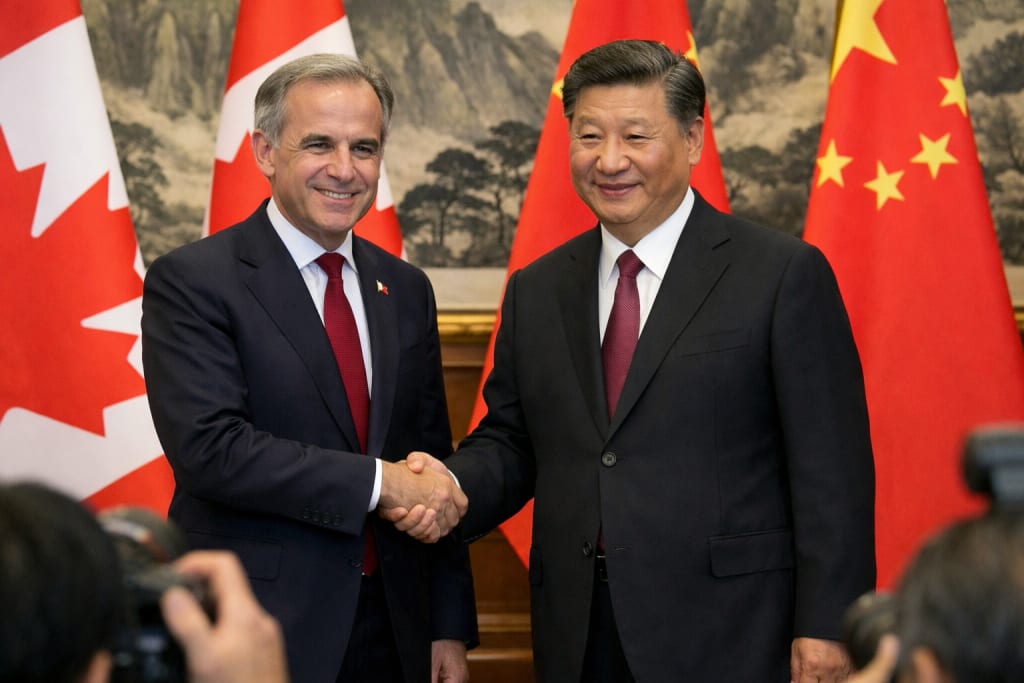
After almost ten years of difficult relations, the Canadian Prime Minister has traveled to China in a move that could mark a turning point for both countries. The visit is the first official trip to China by a Canadian prime minister in nearly a decade and comes after years of political tension, trade disputes, and broken trust.
This visit has drawn global attention because Canada and China share an important economic relationship, even though their political ties have been strained for years. Many experts see this trip as a careful attempt to reopen dialogue while balancing national values, security concerns, and economic needs.
A Relationship Marked by Tension
Canada–China relations began to deteriorate sharply in 2018. That year, Canadian authorities arrested a senior executive from the Chinese technology company Huawei at the request of the United States. China strongly opposed the arrest and soon detained two Canadian citizens, leading to a major diplomatic crisis.
Although all parties involved were eventually released, the damage to the relationship lasted. Trust between the two governments weakened, and communication at the highest political levels largely stopped. Trade was also affected, with both sides placing restrictions on certain goods. Canadian agricultural exports such as canola faced barriers in China, while Canada increased scrutiny of Chinese investments and technology.
Beyond trade and diplomacy, Canada also raised concerns about human rights, election interference, and national security. These issues further complicated efforts to improve relations and made any political engagement with China sensitive at home.
Why the Visit Is Happening Now
The timing of the Prime Minister’s visit is not accidental. Canada is currently rethinking its global trade strategy and looking to reduce its heavy dependence on the United States. While the U.S. remains Canada’s largest trading partner, recent global uncertainty, rising protectionism, and political shifts have pushed Canada to diversify its economic relationships.
China is the world’s second-largest economy and an important market for Canadian energy, agriculture, and natural resources. Rebuilding stable ties could bring economic benefits at a time when global trade faces many challenges.
The visit also follows earlier meetings between Canadian and Chinese leaders at international events, which helped reopen lines of communication. These smaller steps laid the groundwork for a full official visit.
Goals of the Prime Minister’s Trip
During the visit, the Prime Minister is expected to meet with China’s top leadership, including President Xi Jinping. The main goal is to restart regular dialogue and create a more stable framework for managing disagreements.
Trade is a key topic. Canada hopes to ease restrictions on agricultural exports and explore new opportunities in areas such as energy, clean technology, and finance. For China, improving relations with Canada could help strengthen ties with a major G7 country at a time of increasing global tensions.
Global issues are also on the agenda. Climate change, international security, and economic stability are areas where both countries may find common ground, even if they disagree on other matters.
Domestic and International Reactions
The visit has sparked mixed reactions within Canada. Supporters say engaging with China is practical and necessary. They argue that dialogue is better than isolation and that economic cooperation can benefit Canadian workers and businesses.
Critics, however, worry that closer ties could weaken Canada’s stance on human rights and national security. Some fear that economic interests might outweigh democratic values. These concerns reflect a broader debate within Canada about how to deal with powerful countries that do not share the same political systems.
Internationally, the visit is being watched closely. Allies such as the United States and European countries are also managing complex relationships with China. Canada’s approach could influence how other middle-power nations balance cooperation and caution.
Challenges Ahead
Despite the positive symbolism of the visit, rebuilding trust will not be easy. Deep differences remain on issues like human rights, technology security, and foreign policy. One visit alone cannot erase years of tension.
Both sides will need to show consistency and patience. Any progress is likely to be gradual, with small agreements rather than dramatic changes. Clear communication and respect for each other’s concerns will be essential.
What This Means for the Future
The Prime Minister’s trip does not mean that Canada and China are suddenly close partners again. Instead, it signals a willingness to talk, manage disputes, and explore areas of cooperation where possible.
In a world shaped by shifting alliances and economic uncertainty, this visit reflects Canada’s effort to play a balanced role on the global stage. Whether it leads to lasting improvement will depend on actions taken after the meetings, not just the meetings themselves.
For now, the visit stands as a significant diplomatic moment — one that could open a new chapter in Canada–China relations, even if that chapter begins cautiously.
About the Creator
sehzeen fatima
Sehzeeen Fatima is a writer with a Master’s in Science who shares inspiring stories about sports, life, and people. She writes in simple, clear language to connect with readers and spark meaningful thought.
Keep reading
More stories from sehzeen fatima and writers in Journal and other communities.
UAE to Withdraw From Yemen After Saudi Strike on Separatist-Held Port
For years, Saudi Arabia and the United Arab Emirates (UAE) have stood together as close partners in the Middle East. They worked side-by-side in the long and painful war in Yemen. But now, that partnership has been shaken. After a Saudi airstrike on a port controlled by UAE-backed separatists, the UAE has said it will pull its remaining troops out of Yemen. This decision marks one of the biggest changes in the Yemen conflict in recent years.
By sehzeen fatima20 days ago in Journal
The goals I did not achieve
Every writing goal I made for the year is a wash. It has been this way for a while, but I think it's important to be open about my failures and the reality of how life can get in the way. This is especially true considering the several times I have posted on Vocal about my writing goals, how I was changing my approach, and where I was hoping to be for the upcoming year. I will probably do that again in a couple months, but for now, it is time to acknowledge where I am today.
By Kay Husnick24 days ago in Journal



Comments
There are no comments for this story
Be the first to respond and start the conversation.