
Home Sellers Are Relisting Properties at Fastest Pace in a Decade, but Spring Supply Is Still Low
A growing number of homeowners are relisting unsold properties, yet the housing market continues to face limited inventory as the spring buying season unfolds.
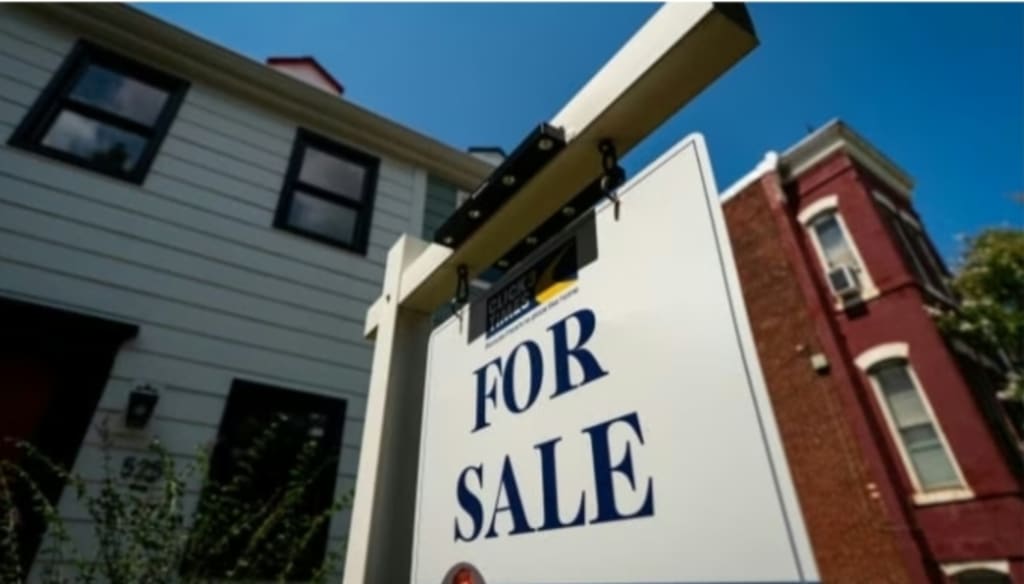
The U.S. housing market is entering its critical spring selling season with an unusual trend: a surge in homeowners relisting properties that previously failed to sell. According to recent housing market data, the pace of relistings has reached its highest level in nearly a decade. Despite this increase, the overall supply of homes available for buyers remains relatively low, creating a complex and somewhat frustrating market for both sellers and prospective homeowners.
Relisting typically occurs when a property has been taken off the market—either due to lack of interest, pricing issues, or timing—and then listed again later, often with adjustments to price, marketing strategy, or property presentation. This growing wave of relistings reflects broader shifts in the housing market as both buyers and sellers adapt to higher mortgage rates and changing economic conditions.
While the increase in relistings might suggest more housing options for buyers, the reality is that overall inventory levels remain tight compared with historical norms.
Why More Sellers Are Relisting Homes
Several factors are driving the surge in relisted homes across the United States.
One of the most significant influences is the impact of higher mortgage rates. Over the past two years, borrowing costs have risen dramatically compared with the ultra-low rates seen during the pandemic housing boom. As a result, many potential buyers have become more cautious, reducing the number of offers sellers receive.
Homes that might have sold quickly just a few years ago are now sitting on the market longer, prompting some sellers to temporarily withdraw their listings. After reassessing pricing strategies or waiting for more favorable conditions, many homeowners are choosing to relist their properties in hopes of attracting new buyers.
Another factor is seller expectations. During the peak of the housing boom, homeowners became accustomed to bidding wars and rapidly rising prices. Some sellers initially priced their homes based on those earlier market conditions, only to find that today’s buyers are far more selective and price-sensitive.
Relisting allows sellers to adjust their pricing to better match current demand while giving the property renewed visibility in online listing platforms.
The Spring Housing Market Remains Tight
Despite the surge in relistings, the housing market continues to face a shortage of available homes.
Spring is traditionally the busiest season for home sales, as warmer weather and the end of the school year encourage families to move. Normally, the number of homes listed for sale increases significantly during this period.
This year, however, many homeowners are still reluctant to sell.
One major reason is the “lock-in effect.” Millions of homeowners secured mortgages at extremely low interest rates during the pandemic. Selling their homes would likely mean taking on a new mortgage at a much higher rate, which could significantly increase monthly payments.
As a result, many potential sellers are choosing to stay put, reducing the number of new listings entering the market.
The limited supply of homes has kept competition relatively strong in many areas, even as higher borrowing costs have cooled demand.
How Relistings Affect Buyers
For homebuyers, the rise in relisted properties presents both opportunities and challenges.
On one hand, relisted homes often come with price reductions or improved terms as sellers attempt to attract renewed interest. Buyers may have more negotiating power compared with the highly competitive conditions seen in recent years.
Additionally, relisted properties may have already gone through inspections or evaluations, which can provide valuable information to prospective buyers.
On the other hand, the overall shortage of housing inventory means that attractive homes can still receive multiple offers in desirable markets.
Buyers therefore continue to face a delicate balancing act: waiting for better deals while also competing for limited options.
In many cases, successful buyers are those who are well-prepared with financing approvals and realistic expectations about pricing.
Regional Differences in the Market
The impact of relisting trends varies widely depending on location.
In some cities where housing prices rose sharply during the pandemic, relistings have become more common as sellers adjust to changing market conditions. These areas may experience more noticeable price corrections as homes are relisted at lower prices.
In contrast, regions with strong population growth and limited housing construction continue to see tight inventory and steady demand.
Sun Belt cities and fast-growing metropolitan areas often fall into this category, where housing shortages persist despite broader market slowdowns.
Local economic factors—such as job growth, migration patterns, and new housing construction—play a major role in shaping these regional differences.
The Role of Mortgage Rates
Mortgage rates remain one of the most important variables influencing the housing market.
When rates rise, borrowing becomes more expensive, reducing affordability for many buyers. This can slow home sales and lead to more relisted properties as sellers struggle to find qualified buyers.
Conversely, if mortgage rates stabilize or decline, buyer demand could strengthen quickly.
Some housing analysts believe that even a modest drop in mortgage rates could encourage more homeowners to list their properties, increasing inventory and easing the supply shortage.
However, predicting interest rate movements remains difficult, as they depend heavily on broader economic conditions, including inflation and Federal Reserve policy.
What Sellers Are Doing Differently
In response to shifting market dynamics, many sellers are adjusting their strategies.
Pricing has become one of the most important factors. Rather than aiming for record-breaking sale prices, sellers are increasingly focusing on realistic valuations that reflect current market conditions.
Home presentation has also become more important. Sellers are investing in staging, professional photography, and minor renovations to make their properties more attractive to buyers browsing online listings.
Some homeowners are also offering incentives, such as covering closing costs or providing mortgage rate buy-downs to help buyers manage higher borrowing costs.
These tactics can make relisted homes more appealing and increase the chances of a successful sale.
Outlook for the Housing Market
Looking ahead, the housing market is expected to remain somewhat constrained throughout the spring and summer.
The surge in relisted homes may provide a modest boost to available inventory, but it is unlikely to fully resolve the broader supply shortage that has characterized the market for years.
Long-term solutions will likely depend on increased housing construction, particularly in areas where population growth has outpaced development.
In the meantime, both buyers and sellers must navigate a market that is neither as competitive as the pandemic-era boom nor as slow as a traditional housing downturn.
For buyers, patience and preparation remain essential. For sellers, flexibility and realistic expectations will play a key role in achieving successful transactions.
The rising pace of relistings signals a market in transition—one where both sides are gradually adjusting to new economic realities while waiting for a clearer path forward in the housing landscape.
About the Creator
Carbon Black Market: The Hidden Industry Powering EVs
The future of transportation doesn’t begin with batteries. It begins with black dust. Inside massive reactors operating at temperatures hotter than volcanic vents, hydrocarbons transform into microscopic particles — carbon black. Invisible to most consumers, yet essential to nearly every moving vehicle on Earth, this material quietly powers modern life.
By efingutthomas8 days ago in Journal




Comments
There are no comments for this story
Be the first to respond and start the conversation.