
Historic Winter Storms Weigh on Gap, Old Navy Performance After 800 Temporary Store Closures
Severe weather disruptions forced hundreds of retail store closures, highlighting how extreme climate events are increasingly shaping the financial performance of major retailers.
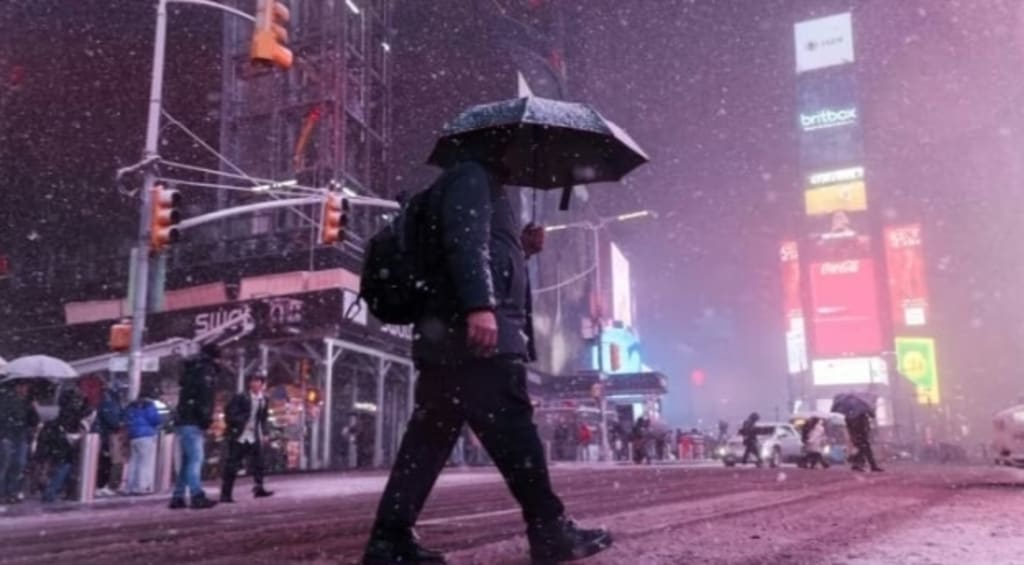
Historic winter storms sweeping across large parts of the United States have left a noticeable impact on the retail sector, with clothing giant Gap Inc. reporting that the severe weather temporarily closed around 800 of its stores. The closures, which affected major brands under the company’s umbrella including Gap, Old Navy, Banana Republic, and Athleta, significantly disrupted shopping patterns during a critical retail period.
The extreme weather events, which brought heavy snowfall, freezing temperatures, and dangerous travel conditions, forced many retailers to shut down operations for several days. For Gap Inc., the disruption translated into lost foot traffic, delayed shipments, and weaker sales performance across several of its brands.
While winter storms are not uncommon in the United States, the scale and intensity of the recent weather events were unusual enough to highlight how climate disruptions are becoming a growing challenge for retail businesses that rely heavily on in-person shopping.
Hundreds of Stores Forced to Close
Gap Inc. confirmed that approximately 800 stores were temporarily closed during the height of the winter storms. These closures occurred across multiple states, particularly in regions where blizzard conditions and icy roads made travel unsafe for both employees and customers.
Many shopping centers and malls also shut down during the storms, compounding the effect on retailers.
For brands like Old Navy, which rely on high customer volume and frequent store visits, even short disruptions can lead to measurable declines in revenue. Retailers typically depend on consistent daily traffic, especially during promotional events or seasonal sales periods.
When stores remain closed for several days, those missed transactions are often difficult to recover fully, even when customers return later.
The closures also forced retailers to adjust staffing schedules and logistics operations, creating additional operational challenges during an already difficult period.
Impact on Gap and Old Navy Sales
The winter storms appear to have had a particularly noticeable impact on two of Gap Inc.’s largest brands: Gap and Old Navy.
Old Navy, known for its affordable clothing and family-focused marketing, relies heavily on steady foot traffic from shoppers visiting malls and retail centers. When weather conditions prevent consumers from leaving their homes, these sales opportunities disappear almost immediately.
Similarly, Gap stores experienced lower-than-expected sales during the storm period due to the temporary shutdowns.
Although the company has increasingly invested in online shopping platforms, brick-and-mortar stores still represent a significant portion of its overall revenue. As a result, widespread physical store closures can quickly affect quarterly performance.
In addition to reduced sales, the storms also disrupted inventory movement, with shipments delayed due to transportation problems caused by icy roads and severe weather conditions.
The Growing Role of E-Commerce
One of the key lessons from the storm disruptions is the growing importance of e-commerce in the modern retail landscape.
While physical stores were forced to close, online shopping remained operational. Customers who were unable to visit stores still had the option to browse and purchase items through digital platforms.
For retailers like Gap Inc., this shift toward online shopping has become increasingly important in recent years. Investments in digital infrastructure, mobile apps, and improved delivery services have helped companies maintain sales even during physical disruptions.
However, online shopping cannot completely replace the experience of in-store retail, particularly for clothing brands where customers often prefer to try on items before purchasing.
Additionally, severe weather can also affect delivery logistics, causing shipping delays that may discourage online orders.
Still, the growth of e-commerce provides an important buffer that helps retailers reduce the impact of unexpected store closures.
Climate and Retail: A Growing Challenge
Extreme weather events are becoming an increasingly important factor for retailers to consider when planning operations.
From winter storms and hurricanes to heat waves and flooding, climate-related disruptions can affect everything from supply chains to customer behavior.
Retail companies now face the challenge of building more resilient systems capable of handling unpredictable environmental conditions.
This includes improving inventory management, strengthening logistics networks, and expanding digital sales channels to ensure customers can continue shopping even when physical stores are closed.
Some retailers are also investing in advanced forecasting tools that use weather data to anticipate disruptions and adjust staffing or supply chain operations in advance.
The recent winter storms serve as a reminder that climate-related risks are no longer rare events but recurring challenges that businesses must adapt to.
Financial and Operational Adjustments
In response to the disruptions caused by the winter storms, Gap Inc. and other retailers are likely evaluating their financial and operational strategies.
Companies may consider adjusting inventory levels, diversifying shipping routes, or expanding partnerships with delivery providers to ensure greater flexibility during emergencies.
Retailers are also exploring new store formats and distribution models that combine online and physical retail experiences.
For example, many brands now offer “buy online, pick up in store” services, which allow customers to purchase items digitally and collect them at local locations once conditions improve.
Such strategies help maintain customer engagement even during temporary disruptions.
In addition, companies are increasingly focusing on communication strategies that keep customers informed about store closures, reopening times, and delivery updates during severe weather events.
Consumer Behavior During Severe Weather
Winter storms also influence how consumers approach shopping.
When weather conditions worsen, people often prioritize essential purchases such as food, fuel, and household supplies rather than clothing or discretionary items.
This shift in spending patterns can temporarily reduce demand for apparel brands.
However, once weather conditions improve, retailers sometimes experience a rebound effect as shoppers return to stores to make postponed purchases.
The strength of this recovery often depends on how long the disruption lasts and whether customers choose to shift their purchases online instead.
For companies like Gap Inc., maintaining strong customer relationships during these disruptions is critical to ensuring that shoppers return once stores reopen.
Looking Ahead
The recent winter storms highlight the growing complexity of running a retail business in an unpredictable climate environment.
For Gap Inc. and its brands—including Gap, Old Navy, Banana Republic, and Athleta—the temporary closure of hundreds of stores demonstrates how quickly weather events can influence financial performance.
At the same time, the situation underscores the importance of digital commerce, flexible logistics, and resilient business strategies.
As climate-related disruptions become more frequent, retailers will need to continue adapting their operations to ensure stability and maintain customer access to their products.
While severe winter storms may only last a few days, their impact on retail operations can extend far longer, influencing sales figures, supply chains, and long-term planning.
For the retail industry as a whole, the message is clear: weather resilience is becoming just as important as pricing strategy, marketing campaigns, and product design in determining success.
About the Creator
The Day Filmmaking Became Effortless
A Beginning Without a Camera The idea did not begin on a film set. There were no lights, no crew, no expensive equipment humming in the background. Just a quiet desk, a blank screen, and a single line of imagination waiting to be shaped.
By CEO A&S Developers5 days ago in Journal
Two Grumpy Old Men Solve the Problem
Marty and Steve were two grumpy old men who lived together. They had known each other for years. Marty had been a bachelor all his life. Steve said it was because no one could stand to ever live with. Marty’s standard reply was “Well, you are, so what sort of a moron does that make you!”
By Calvin London2 days ago in Humor



Comments
There are no comments for this story
Be the first to respond and start the conversation.