

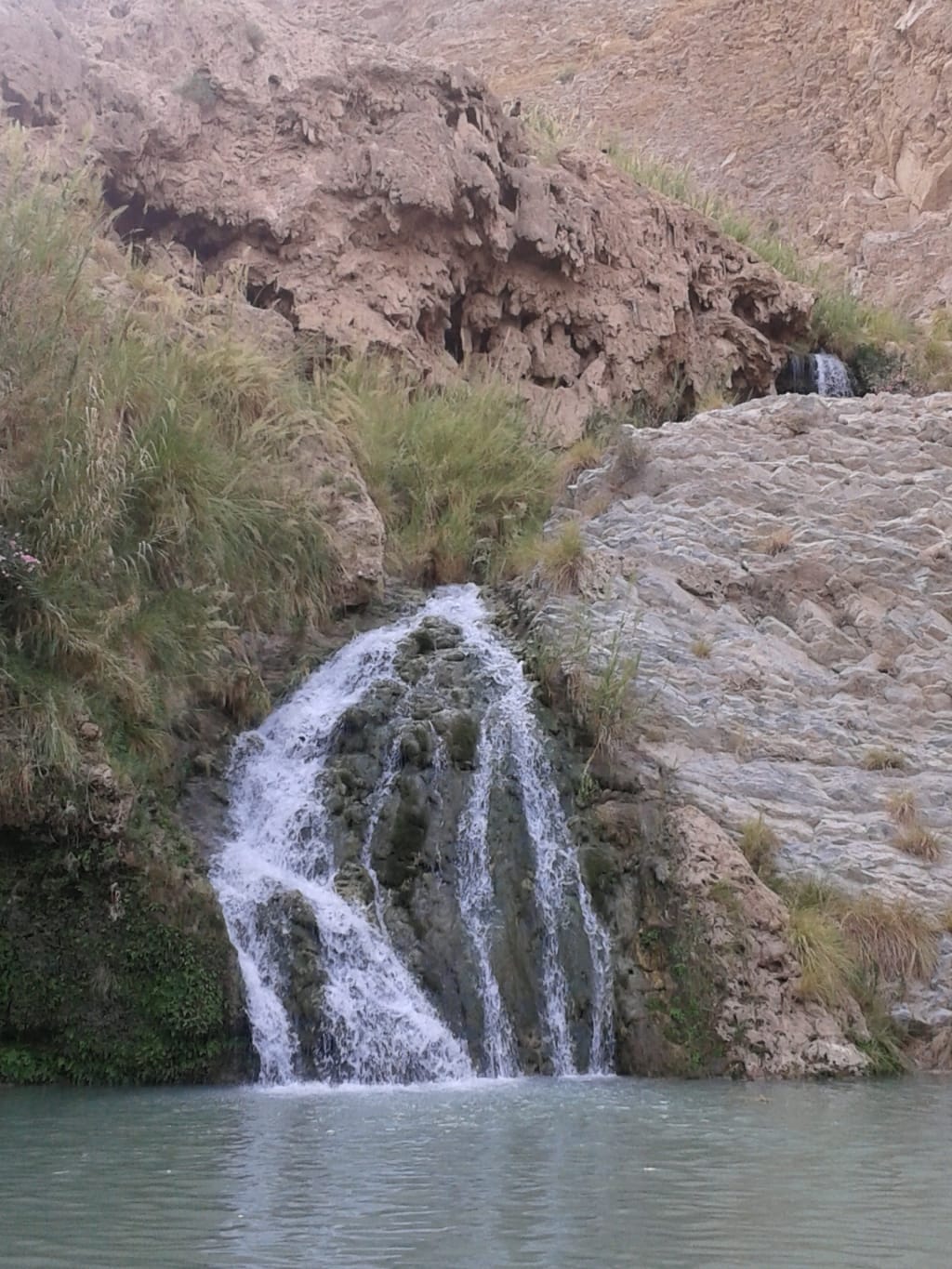
The history of the Peer Gahib region in Balochistan dates back thousands of years. The region is located in the southwestern part of Pakistan and is known for its unique cultural heritage, including its language, music, and art. In this essay, we will explore the history of Peer Gahib and the important events that have shaped the region.
Peer Gahib is a mountainous area located in the district of Khuzdar in Balochistan. The region is named after a famous saint, Pir Ghaib, who is said to have lived in the area during the 16th century. According to legend, Pir Ghaib was a Sufi saint who possessed supernatural powers and could become invisible at will. The people of the region revere him as a spiritual guide and seek his blessings for their wellbeing.
The region was once part of the great Indus Valley Civilization, which flourished in the area from around 2600 BCE to 1900 BCE. The Indus Valley Civilization was one of the oldest civilizations in the world and is known for its advanced urban planning, water management, and writing system. The ruins of the Indus Valley Civilization are scattered throughout the region, including the famous archaeological site of Mehrgarh, which is located near the town of Sibi.
In the centuries that followed, the region was ruled by various empires, including the Mauryan, Persian, and Mughal empires. In the 18th century, the region came under the control of the Kalat Khanate, a powerful Baloch tribal confederation that ruled much of Balochistan and parts of present-day Iran and Afghanistan. The Kalat Khanate was known for its strong military and political power and was able to resist the British colonial rule for many years.
During the 19th century, the British gradually gained control of Balochistan and annexed it to their empire. The region was divided into several administrative units, including Quetta, Kalat, and Lasbela. The British built roads, railways, and other infrastructure in the region, which facilitated trade and commerce. However, the British also imposed their own laws and regulations on the region, which were often seen as oppressive by the local population.
In the 20th century, Balochistan became part of the newly independent state of Pakistan. The region was divided into four provinces: Balochistan, Sindh, Punjab, and Khyber Pakhtunkhwa. The new government of Pakistan promised to respect the rights of the Baloch people and to develop the region. However, many Baloch people felt that they were being marginalized and oppressed by the central government, which they accused of neglecting the region and its people.
In the 1950s, a Baloch nationalist movement emerged in the region, which called for greater autonomy and self-determination for Balochistan. The movement was led by prominent Baloch leaders, including Mir Ghous Bakhsh Bizenjo, Nawab Akbar Bugti, and Khair Bakhsh Marri. The movement gained momentum in the 1960s, as the central government of Pakistan continued to neglect the region and its people.
In 1971, a civil war broke out in Pakistan, which led to the creation of the independent state of Bangladesh. The Baloch nationalist movement saw this as an opportunity to press their demands for greater autonomy and self-determination. The Balochistan Liberation Army (BLA) was formed in 1973, which waged a guerrilla war against the central government of Pakistan. The BLA carried out a series of attacks against the Pakistani military and government officials, which led to a crackdown by the government.
The 1980s saw a period of relative calm in Balochistan,
According to local legend, the site is named after a Sufi saint who disappeared from the sight of his followers while performing prayers. It is said that the saint's spirit still resides at the site and provides blessings and guidance to those who visit.
Peer Ghaib is also known for its beautiful natural scenery, with the site situated in the hills overlooking the city of Quetta. The area is a popular destination for local tourists and visitors who come to enjoy the views and take part in picnics and other outdoor activities.
Over the years, Peer Ghaib has become a symbol of the rich cultural and spiritual heritage of Balochistan and is an important part of the region's history and identity.
About the Creator
Muhammad Farman
..Hey. I'm Muhammad Farman and I upload my ideas on vocal media my ideas are based on stories, biography, Health diseases, education
Keep reading
More stories from Muhammad Farman and writers in Journal and other communities.
The antarctic and Atlantic ocean
Lexicalevicespesnversationsgra Antarctic Ocean: The Antarctic Ocean, also known as the Southern Ocean, is the ocean that surrounds the continent of Antarctica. It is the fifth-largest ocean in the world and is unique in many ways, including its extreme climate, strong currents, and diverse marine life.
By Muhammad Farman3 years ago in Journal
How to Visit Universities Around the World.
Universities rank among the most influential places in society. They shape knowledge, research, culture, and innovation. Many universities also hold long histories, stunning architecture, and active intellectual communities. Visiting universities across the world gives you insight into global education systems and academic life.
By Wilson Igbasia day ago in Journal


Comments
There are no comments for this story
Be the first to respond and start the conversation.