
Harness the Power of Precision with a Barcode Reader for Error-Free Tracking
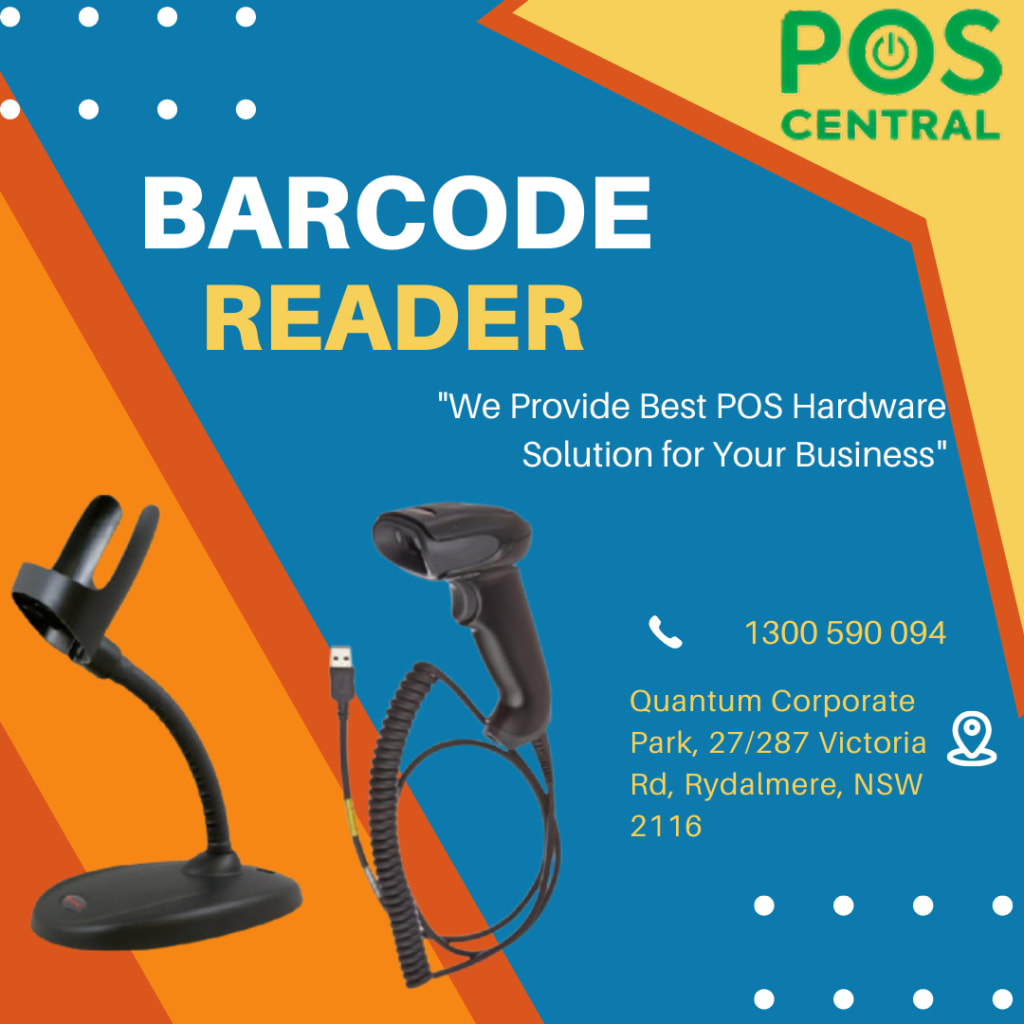
Barcode Reader

I. Introduction
A. Accurate tracking plays a pivotal role in various industries, ranging from retail and logistics to healthcare and manufacturing. Precise tracking of products, assets, and inventory is essential for efficient operations, improved customer satisfaction, and streamlined supply chain management. Inaccurate tracking can lead to costly errors, delays, and inefficiencies that can negatively impact businesses.
B. Barcode readers play a vital role in achieving error-free tracking. These advanced electronic devices have revolutionized the way businesses manage and track their assets. By quickly and accurately scanning barcodes, barcode readers provide real-time visibility into inventory levels, enable seamless tracking of products throughout the supply chain, and help automate processes for enhanced efficiency.
C. The purpose of this article is to delve into the power of precision offered by barcode readers in achieving error-free tracking. We will explore the different types of barcode readers, their functionalities, and how they work to decode and interpret barcode information. Furthermore, we will highlight the benefits of error-free tracking, including increased efficiency, reduced errors, and improved customer satisfaction. The article will also provide insights into selecting the right barcode reader for specific tracking needs, implementing barcode readers effectively, and presenting real-life case studies showcasing successful implementations. Additionally, we will discuss future trends and innovations in barcode readers to give readers a glimpse into the evolving landscape. By the end of this article, readers will have a comprehensive understanding of the significance of barcode readers in achieving error-free tracking and the potential they hold in various industries.
II. Understanding Barcode Readers
A. Barcode readers, also known as barcode scanners, are electronic devices designed to capture and interpret barcode information. They are widely used in various industries, including retail, logistics, healthcare, and manufacturing, to streamline processes and ensure accurate tracking.
B. There are different types of barcode readers available, each with its own features and scanning capabilities. The most common types include handheld barcode scanners, fixed-mount scanners, and mobile barcode scanners. Handheld scanners offer flexibility and ease of use, while fixed-mount scanners are often used in automated systems for high-volume scanning. Mobile barcode scanners, integrated with smartphones or tablets, provide mobility and versatility.
C. Barcode readers work by emitting a beam of light that scans the barcode symbol. The reflected light is captured by the scanner, and the data is then decoded using specialized software. This decoded information is then transmitted to a connected computer or system for further processing. Barcode readers can read both one-dimensional (1D) barcodes, such as UPCs, as well as two-dimensional (2D) barcodes, such as QR codes.
III. Benefits of Error-Free Tracking
A. Accurate tracking facilitated by barcode readers offers numerous benefits to businesses. One key advantage is increased efficiency in inventory management. Barcode readers enable quick and precise scanning, significantly reducing the time required for manual data entry. This not only speeds up inventory counts but also minimizes the risk of errors associated with manual input.
B. Barcode readers also help in reducing human errors. Even the most diligent employees can make mistakes when manually recording data, leading to costly errors in inventory levels or shipment accuracy. By automating the tracking process, barcode readers minimize the likelihood of human error, ensuring that the recorded information is accurate and reliable.
C. Error-free tracking through barcode readers enhances customer satisfaction. With accurate tracking, businesses can fulfill orders promptly, avoid stockouts, and provide real-time information on product availability. This leads to improved customer experiences and loyalty. Additionally, barcode readers contribute to better supply chain visibility by enabling real-time tracking of products at various stages, helping businesses identify and rectify bottlenecks or delays.
IV. Key Features of Barcode Readers
A. High-speed scanning capabilities are essential for efficient tracking. Modern barcode readers can capture and process barcode information within milliseconds, allowing for swift and uninterrupted scanning. This feature is particularly crucial in high-volume environments such as warehouses or retail stores.
B. Barcode readers are designed to be compatible with various barcode types, including 1D barcodes (e.g., UPC, EAN) and 2D barcodes (e.g., QR codes, Data Matrix). This versatility enables businesses to adapt to different barcode standards based on industry requirements or customer preferences.
C. Integration with software and systems is another important feature of barcode readers. Many barcode readers can be seamlessly integrated with existing inventory management software, point-of-sale systems, or enterprise resource planning (ERP) systems. This integration enables real-time data updates, inventory synchronization, and streamlined workflows.
V. Selecting the Right Barcode Reader for Error-Free Tracking
A. When selecting a barcode reader for error-free tracking, it's crucial to identify specific tracking needs and requirements. Consider factors such as the volume of scanning, the type of barcodes to be scanned, and the environment in which the barcode reader will be used.
B. Scanning range is an important consideration. Depending on the application, you may need a barcode reader with a shorter or longer scanning range. For example, in a retail setting, a handheld scanner with a shorter range may be sufficient, while in a warehouse with high shelves, a long-range fixed-mount scanner may be more suitable.
C. Connectivity options should also be evaluated. Barcode readers typically offer various connectivity options, such as USB, Bluetooth, or wireless connectivity. Assess the compatibility with existing systems and determine the most efficient and reliable connectivity method for your specific tracking needs.
VI. Implementing Barcode Readers for Error-Free Tracking
A. Integrating barcode readers with existing systems and software is a critical step. Consult with IT professionals or barcode reader vendors to ensure smooth integration. This may involve installing necessary drivers, configuring settings, and establishing communication protocols between the barcode reader and the target system.
B. Staff training and education are essential to optimize the usage of barcode readers. Provide comprehensive training sessions to employees who will be using the barcode readers, covering topics such as proper scanning techniques, error handling, and maintenance. Emphasize the importance of accurate scanning and the role of barcode readers in achieving error-free tracking.
C. Implementing best practices for maintaining and calibrating barcode readers is necessary to ensure optimal performance. Regularly clean the scanner lens to maintain clear and accurate scans. Additionally, calibrate the barcode reader as recommended by the manufacturer to maintain precise decoding and reading capabilities.
VII. Case Studies: Success Stories of Error-Free Tracking with Barcode Readers
A. Example 1: Warehouse management and inventory control
Describe how a warehouse implemented barcode readers to improve inventory accuracy and streamline order fulfillment.
Highlight the reduction in errors and increased efficiency achieved through barcode scanning in receiving, picking, and stocktaking processes.
B. Example 2: Retail and point-of-sale tracking
Showcase how a retail business integrated barcode readers at the point of sale to enhance transaction speed and accuracy.
Discuss the improved inventory visibility, reduced checkout errors, and seamless integration with the POS system.
C. Example 3: Healthcare and patient tracking systems
Illustrate the use of barcode readers in healthcare settings to ensure accurate patient identification, medication administration, and inventory management.
Highlight the increased patient safety, reduced medication errors, and improved workflow efficiency resulting from barcode scanning implementation.
VIII. Future Trends and Innovations in Barcode Readers
A. Advancements in scanning technology and machine learning are shaping the future of barcode readers. Improved image sensors, faster processors, and sophisticated algorithms allow for even faster and more accurate scanning, even in challenging conditions.
B. Integration of barcode readers with the Internet of Things (IoT) devices opens up new possibilities for error-free tracking. Barcode readers can communicate with IoT-enabled systems, such as smart shelves or inventory robots, to automate inventory updates and trigger restocking alerts.
C. Emerging technologies like augmented reality (AR) and computer vision have the potential to revolutionize barcode scanning. AR-based smart glasses or smartphone applications could provide real-time scanning feedback and guidance, further enhancing accuracy and ease of use.
IX. Conclusion
A. Recap the benefits and importance of barcode readers in achieving error-free tracking, including increased efficiency, reduced errors, and improved customer satisfaction.
B. Encourage businesses to explore the potential of barcode readers in their specific industries and processes.
C. Highlight the continuous evolution of barcode readers and their pivotal role in precision tracking, emphasizing the need to stay informed about emerging trends and innovations in the field.
About the Creator
poscentral
POS Central Australia is a prominent POS software and hardware product seller. The products that they sell include Cash Drawers, Receipt Printers, POS Keyboards, Barcode Scanners, POS Bundles. https://www.poscentral.com.au/
Keep reading
More stories from poscentral and writers in Journal and other communities.
Scan the World with the Power of a QR Code Scanner
I. Introduction A. Brief explanation of QR codes and their widespread usage: QR codes are two-dimensional barcodes that store information in a square pattern of black and white pixels. They have gained immense popularity due to their versatility and ease of use. From advertising and marketing to product packaging and event management, QR codes are widely employed to provide quick access to digital content.
By poscentral3 years ago in Journal
~ Fired ~
— Ai Intrusion ~ Are you Next ~ Is Ai Evolution after your job? — Few workplaces haven't been affected. Ai is in supermarkets, at doctors' offices, and even monitoring farms. I just can't think of anything this machine is not getting into, can you? For instance: Education ~ Law and Tech jobs will one day have a major influence or be taken over by these inanimate machines, with accuracy and vigor. From mechanics' diagnoses to a wide variety of everyday jobs, including fast food workers, with this input having the ability to cut their unnecessary work hours. I'm certain all of us have been touched by this with our short stories and colorful headings, have you? Even comments are very questionable 'Non-Robot' insertions.
By Jay Kantor6 days ago in Journal
I Tried the 'Silent Walking' Trend for a Week. Here's What Happened to My Anxiety.
In a world saturated with noise – the incessant hum of notifications, the blare of traffic, the constant chatter both external and internal – the concept of silence feels almost revolutionary. Lately, the "silent walking" trend has been making waves, promising a respite from the sensory overload and a potential pathway to mental clarity. Intrigued by the claims of reduced anxiety and increased mindfulness, I decided to ditch my podcasts and playlists for a week and embrace the quiet companionship of my own footsteps.
By Wilson Igbasi3 days ago in Journal
Public Announcement Challenge Winners
For the Public Announcement Challenge, writers were asked to work inside voices built for control. These were notices, warnings, and updates meant to inform rather than confess. The strongest entries committed to that form and didn't break from it. Corporate memos, formal government alerts, and internal policy language were held consistently, allowing emotion, fear, grief, or humor to surface indirectly through pressure rather than declaration. The following poems recognize the voice of authority, and let human feeling slip through despite all its rules and restraint.
By Vocal Curation Teama day ago in Resources


Comments
There are no comments for this story
Be the first to respond and start the conversation.