
Green Hydrogen Manufacturing Plant Setup Cost: Key Considerations for a Sustainable Investment
Green hydrogen, made via electrolysis using renewable energy, is a zero-emission fuel. Setting up a production plant is a sustainable, profitable investment.

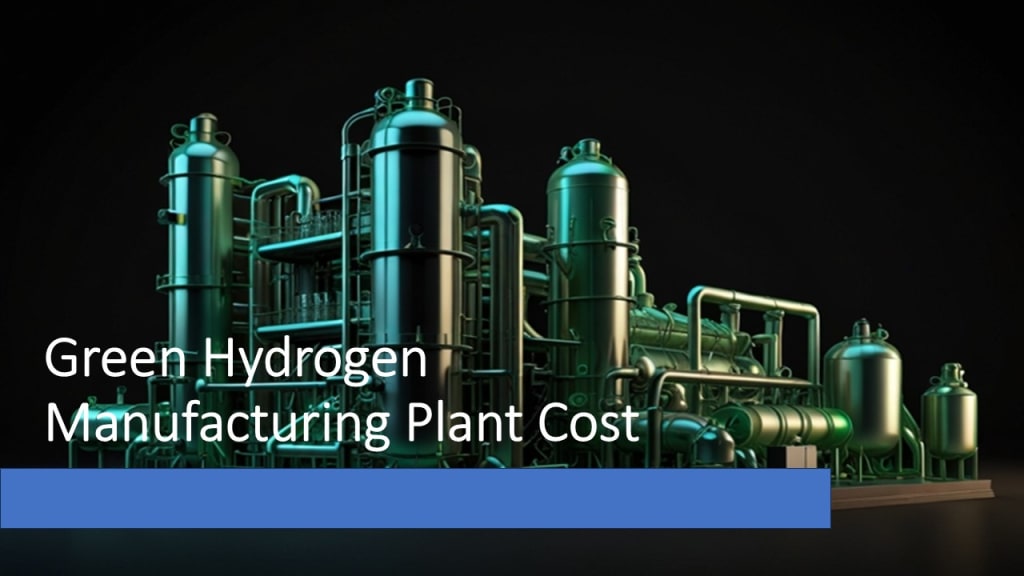
With the world's industries accelerating their decarbonization, green hydrogen has become an attractive option for generating clean energy. Green hydrogen is generated by electrolysis with energy from renewable resources like solar or wind power, resulting in it being zero-emission fuel. For industrial players and investors, establishing a green hydrogen production facility is not only an investment in a sustainable future but also a progressive business proposition. This article provides the key elements and green hydrogen manufacturing plant setup cost to help potential industry entrants.
Understanding Green Hydrogen Production
Green hydrogen is created through the process of electrolysis, where water is split into hydrogen and oxygen using electricity from renewable energy. Unlike grey or blue hydrogen, green hydrogen does not rely on fossil fuels, making it environmentally sustainable and aligned with international carbon reduction goals.
The growing global interest in hydrogen-based fuel, particularly across sectors like transportation, power generation, and industrial processes, is driving demand for scalable and efficient green hydrogen production facilities.
Key Components of a Green Hydrogen Manufacturing Plant
Setting up a green hydrogen plant involves several high-precision systems and infrastructure components. The core elements include:
Electrolyzers
The heart of any green hydrogen facility, electrolyzers are used to separate hydrogen from oxygen in water. There are different types, such as alkaline, PEM (Proton Exchange Membrane), and SOEC (Solid Oxide Electrolyzer Cells), each with unique cost and efficiency profiles.
Renewable Energy Source
A reliable and clean energy supply is essential. Most green hydrogen plants are co-located with solar farms or wind turbines to ensure uninterrupted, low-carbon power for the electrolysis process.
Water Supply and Purification System
High-purity water is necessary for efficient electrolysis. The plant must include filtration and deionization systems to meet quality standards.
Hydrogen Storage and Compression Units
Hydrogen must be safely stored and transported. Compression, liquefaction, or solid-state storage methods are selected based on scale and end use.
Safety and Control Systems
Given the flammable nature of hydrogen, advanced monitoring and safety systems are critical. SCADA systems are typically installed for real-time operations management.
Civil Infrastructure and Utilities
Includes land development, construction of the main plant building, energy infrastructure, and waste management systems.
Green Hydrogen Manufacturing Plant Setup Cost
The cost of setting up a green hydrogen plant can vary significantly depending on factors such as production capacity, technology used, and integration with renewable energy sources.
Factors Influencing Setup Cost
Electrolyzer Technology
PEM electrolyzers are more expensive but offer faster response times and compact design. Alkaline electrolyzers are more cost-effective but less flexible.
Energy Costs and Source
Electricity is the largest operational cost. Co-locating with renewable sources helps reduce long-term costs and ensures green certification.
Regulatory Environment
Incentives, subsidies, and policy support from national governments can significantly impact capital expenditure.
Scale of Operation
Larger plants benefit from economies of scale, reducing per-unit production costs.
Strategic Planning for Green Hydrogen Projects
To ensure long-term viability and return on investment, a detailed project plan should include:
- Feasibility Study: Assess local renewable potential, water availability, and distribution infrastructure.
- Technology Selection: Choose electrolyzers and storage systems based on cost, efficiency, and use case.
- Partnerships: Collaborate with energy developers, industrial users, and government bodies.
- Regulatory Compliance: Align with safety, environmental, and operational standards.
Conclusion
Investing in a green hydrogen manufacturing plant represents a strategic step toward building a resilient and sustainable energy future. While the green hydrogen manufacturing plant setup cost is substantial, the long-term potential—both economically and environmentally—is compelling. Careful planning, technology selection, and alignment with government policies are essential for success in this emerging sector. As demand continues to grow, early movers in the green hydrogen space stand to benefit from both first-mover advantage and a strong position in the clean energy transition.
About the Creator
Andrew Sullivan
Hello, I’m Andrew Sullivan. I have over 9+ years of experience as a market research specialist.
Keep reading
More stories from Andrew Sullivan and writers in Journal and other communities.
Biochar Market to Reach USD 6.3B by 2033: Trends & Opportunities
Biochar, a carbon-rich material produced from organic waste, is transforming industries and redefining sustainable practices worldwide. Derived through the pyrolysis of biomass like wood, agricultural residues, or animal manure, biochar is celebrated for its ability to enhance soil fertility, sequester carbon, and reduce environmental degradation. As global demand for eco-friendly solutions surges, the biochar market is poised for remarkable growth, driven by its versatility across agriculture, environmental remediation, and emerging industrial applications. This blog post delves into the biochar market’s size, share, trends, feedstock types, technology types, product forms, applications, regional dynamics, and forecast from 2025 to 2033, offering a comprehensive look at its trajectory, challenges, and opportunities.
By Andrew Sullivan8 months ago in Journal
The goals I did not achieve
Every writing goal I made for the year is a wash. It has been this way for a while, but I think it's important to be open about my failures and the reality of how life can get in the way. This is especially true considering the several times I have posted on Vocal about my writing goals, how I was changing my approach, and where I was hoping to be for the upcoming year. I will probably do that again in a couple months, but for now, it is time to acknowledge where I am today.
By Kay Husnick23 days ago in Journal
The Role of Confession in Spiritual Growth
Confession, also called the Sacrament of Reconciliation, is one of the most powerful and transformative practices in Catholic life. Through this sacrament, Catholics seek God’s forgiveness for sins, experience His mercy, and receive spiritual guidance. Far from being a routine obligation, confession is a vital pathway to spiritual growth, healing, and deeper communion with God. Understanding its purpose, benefits, and proper approach can enrich a believer’s faith and daily life.
By Sound and Spirit5 days ago in Journal


Comments
There are no comments for this story
Be the first to respond and start the conversation.