
Grandson of Reese's Peanut Butter Cups Inventor Is in Pieces Over Missing Milk Chocolate
A family legacy meets modern food trends as a descendant of the iconic candy creator reacts to a surprising shift in chocolate formulation.
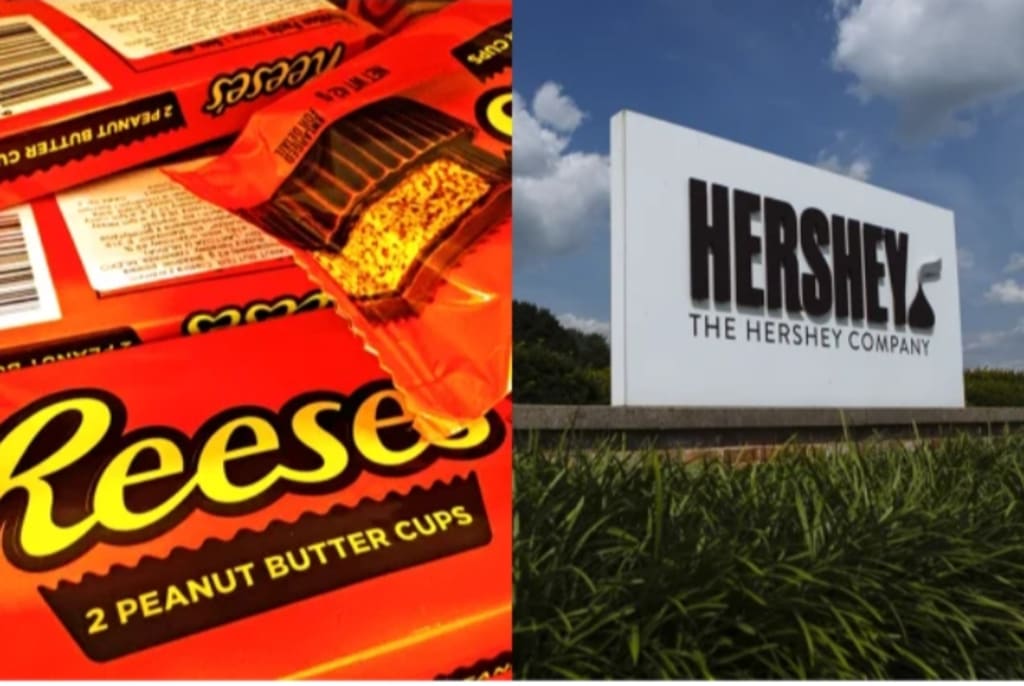
For more than a century, Reese’s Peanut Butter Cups have stood as a symbol of simple indulgence — a perfect marriage of creamy peanut butter and smooth milk chocolate. But now, a descendant of the man who created the beloved treat says he feels something essential is missing.
The grandson of H. B. Reese, the inventor of Reese's Peanut Butter Cups, has publicly expressed disappointment over what he describes as a noticeable decline in milk chocolate richness in some modern versions of the candy.
His frustration reflects more than just a personal preference. It speaks to the broader tension between heritage brands and evolving manufacturing trends in a fast-changing confectionery industry.
A Candy Legacy Built on Simplicity
H. B. Reese began crafting peanut butter confections in the 1920s after working as a dairy farmer and factory employee for Hershey's. His signature creation — a peanut butter filling enrobed in milk chocolate — quickly became a regional favorite.
The candy’s popularity exploded nationwide after the Reese company merged with Hershey in the 1960s. Today, Reese’s is one of the best-selling candy brands in the United States, generating billions in annual revenue.
For the Reese family, however, the treat represents more than sales figures. It is a culinary heirloom — one built on a specific balance of flavor and texture.
“It’s Not the Same”
According to family members, the grandson recently voiced concern that certain product variations seem to contain less milk chocolate coating than in earlier decades. While ingredient lists still include milk chocolate, he claims the thickness and richness no longer deliver the same sensory experience he remembers from childhood.
He reportedly described the change as feeling “in pieces” — a nod both to the candy’s cup shape and his disappointment.
Though subtle formula adjustments can occur over time due to sourcing, cost pressures, or production efficiency, they often go unnoticed by casual consumers. But for those tied to a brand’s origin story, even slight modifications can feel deeply personal.
Why Chocolate Formulas Change
Food manufacturing today operates under pressures very different from those of the 1920s or even the 1970s. Rising cocoa prices, global supply chain shifts, consumer demand for healthier options, and production scalability all influence ingredient ratios.
Milk chocolate itself is a carefully calibrated blend of cocoa solids, cocoa butter, milk solids, and sugar. Small adjustments to these components can alter taste, mouthfeel, and melting characteristics.
In some cases, brands experiment with thinner coatings or slightly modified formulas to maintain affordability or adapt to evolving dietary preferences.
While companies rarely frame such changes as cost-saving measures, industry analysts note that ingredient optimization is common practice in large-scale food production.
Nostalgia vs. Modernization
The grandson’s reaction highlights a broader cultural phenomenon: nostalgia-driven brand loyalty. Consumers often develop emotional attachments to flavors associated with childhood memories.
When those flavors appear to change — even subtly — the reaction can be intense.
Social media has amplified this effect. Posts comparing “then vs. now” candy sizes or formulas regularly go viral. From cereal recipes to snack cake textures, longtime fans frequently argue that original versions tasted better.
Whether these perceptions reflect actual ingredient changes or the power of memory is sometimes difficult to determine. Taste perception can evolve over time, and childhood experiences often amplify positive associations.
Hershey’s Response
While Hershey's has not confirmed any dramatic alteration to its flagship Reese’s formula, the company routinely introduces limited-edition variations — including dark chocolate, white chocolate, thin versions, and seasonal shapes.
It’s possible that differences in chocolate thickness or texture stem from specific product lines rather than a universal formula shift.
Seasonal molds, for example, often distribute chocolate differently compared to the classic ridged cup shape. This can subtly affect the chocolate-to-peanut-butter ratio.
Still, for a family descendant whose grandfather painstakingly perfected a specific balance, any perceived deviation can feel significant.
The Economics of Cocoa
Cocoa markets have experienced notable volatility in recent years due to climate conditions, crop disease, and geopolitical factors affecting major producing regions in West Africa.
When cocoa prices spike, chocolate manufacturers face difficult decisions: absorb higher costs, raise retail prices, reduce portion sizes, or adjust formulas.
Shrinkflation — reducing product size while maintaining price — has become increasingly common across the food industry. Some consumers believe thinner chocolate coatings may represent another form of this trend.
However, without official confirmation of a formula change, these claims remain speculative.
Protecting a Family Name
For descendants of iconic product creators, brand integrity carries emotional weight. H. B. Reese built his reputation on craftsmanship and quality during an era when small-batch production defined candy-making.
His grandson’s public comments reflect a desire to preserve that legacy.
It also raises an interesting question: Should heritage brands prioritize historical authenticity, or evolve with modern market realities?
Many companies attempt to strike a balance. Some reintroduce “classic recipe” editions to appeal to nostalgic consumers. Others emphasize innovation to capture younger demographics.
The Power of Consumer Voice
If public attention around milk chocolate composition gains traction, companies may respond. Food brands closely monitor consumer feedback, especially when it touches on quality perception.
In the age of viral reviews and online forums, even a single complaint can spark widespread debate.
For now, the grandson’s disappointment serves as a reminder of how deeply food connects to identity, memory, and family tradition.
A Sweet Legacy, Even in Dispute
Reese’s Peanut Butter Cups remain among America’s most beloved candies. Whether or not the milk chocolate coating has truly changed, the product continues to dominate sales charts and seasonal displays.
Yet behind every mass-produced snack lies a human origin story. For the Reese family, that story began in a modest confectionery kitchen nearly a century ago.
The grandson’s reaction may not signal a crisis for the brand, but it underscores something powerful: food is never just food. It carries history, emotion, and expectations.
If anything, this debate over milk chocolate thickness proves how enduring the Reese legacy remains. Generations later, people still care enough to notice — and to speak up.
In a world of constant change, perhaps that passion is the sweetest ingredient of all.



Comments
There are no comments for this story
Be the first to respond and start the conversation.