
Grade 1 Fatty Liver: A Guide to Prevention and Management
What is Grade 1 Fatty Liver?

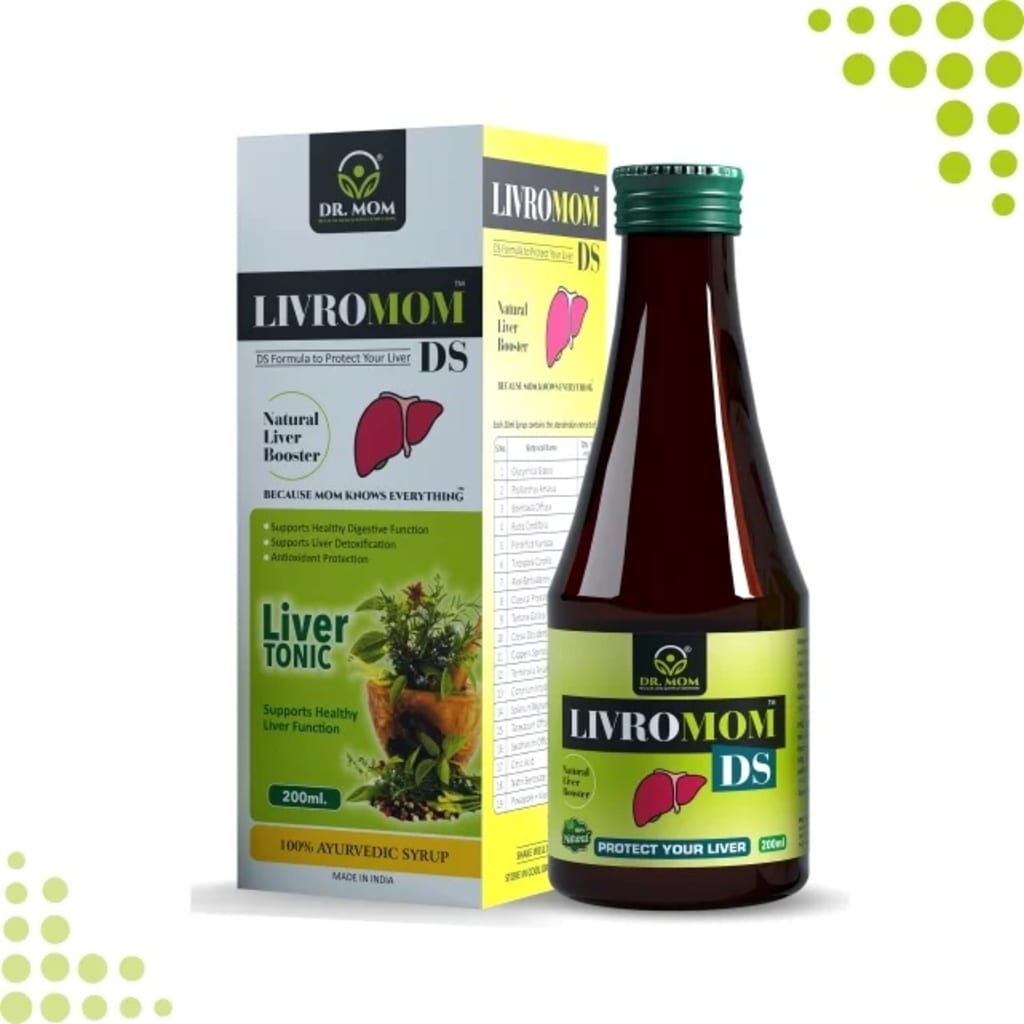
Fatty liver, particularly in its early stage (Grade 1), can often go unnoticed due to its subtle symptoms. However, understanding the condition, as well as exploring both preventive measures and management options, is essential for maintaining liver health and overall well-being. In this guide, we’ll explore the basics of Grade 1 fatty liver, how it can be managed effectively, and the role of Ayurvedic treatments in this process.
What is Grade 1 Fatty Liver?
Grade 1 fatty liver refers to the earliest stage of fatty liver disease (FLD), where there is a small accumulation of fat within the liver cells. At this stage, the liver's function is still normal, but if left unchecked, it can progress into more severe stages, potentially leading to cirrhosis or liver failure. The condition is often linked to factors like poor diet, sedentary lifestyle, obesity, and excessive alcohol consumption. However, it can also be influenced by other health conditions such as diabetes and high cholesterol.
Early Symptoms and Risk Factors
In the early stages, Grade 1 fatty liver might not present any noticeable symptoms. Some people may experience vague signs like fatigue, bloating, or discomfort in the upper right side of the abdomen. These symptoms are often mistaken for general digestive issues. However, recognizing risk factors—such as being overweight, having a poor diet, or leading a sedentary lifestyle—can help individuals take proactive steps toward prevention and management.
Prevention: A Holistic Approach
The best way to manage Grade 1 fatty liver is to prevent its progression. This requires adopting a balanced lifestyle, incorporating both dietary changes and physical activity.
1. Dietary Adjustments:
Reduce Fat Intake: Focus on reducing saturated fats found in fried foods, processed meats, and high-fat dairy products. Instead, opt for healthier fats from sources like olive oil, nuts, and avocados.
Increase Fiber: Foods rich in fiber, such as vegetables, whole grains, and fruits, can help in reducing the amount of fat stored in the liver.
Limit Alcohol: Even though the liver can process alcohol, excessive consumption can contribute to fatty liver. It's crucial to limit or avoid alcohol to protect liver health.
2. Exercise Regularly:
Aim for at least 150 minutes of moderate aerobic activity, such as walking, swimming, or cycling, every week. Physical activity helps in reducing body fat and improving liver function.
3. Maintain a Healthy Weight:
If overweight, losing even 5-10% of your body weight can significantly reduce fat in the liver and prevent further damage.
Ayurvedic Solutions for Fatty Liver Management
Ayurveda, the ancient healing system of India, offers a range of natural treatments aimed at restoring balance to the liver. These treatments focus on detoxifying the liver, reducing inflammation, and supporting overall digestive health.
1. Best Ayurvedic Syrup for Fatty Liver:
Several best ayurvedic syrup for fatty liver can help reduce fat accumulation in the liver and support detoxification. Livomyn and Karela and Jamun syrups are widely used in Ayurvedic practices for liver health. These syrups contain natural ingredients that promote liver cleansing, balance blood sugar levels, and improve digestion. Regular use of these syrups, along with a healthy lifestyle, can be beneficial in managing Grade 1 fatty liver.
2. Herbal Remedies:
Turmeric (Curcuma longa): Known for its anti-inflammatory and liver-protective properties, turmeric is often used to help in the regeneration of liver cells.
Bitter Melon (Momordica charantia): Bitter melon is another popular herb that can help regulate fat metabolism and reduce fat deposits in the liver.
3. Best Ayurvedic Churna for Constipation:
Constipation often accompanies liver-related issues. To support digestive health, Best Ayurvedic Churna for Constipation (powder) blends like Triphala and Haritaki are commonly recommended. These herbs aid in regular bowel movements, which in turn helps in detoxification and improves overall liver function. Regular bowel movements ensure that the liver can efficiently process and eliminate toxins from the body.
Key Takeaways for Managing Grade 1 Fatty Liver
Managing Grade 1 fatty liver requires a comprehensive approach—balancing proper diet, regular physical activity, and incorporating Ayurvedic treatments can go a long way in preventing the progression of the disease. By maintaining a healthy weight, limiting alcohol, and choosing the best Ayurvedic remedies like liver-supporting syrups and constipation-relieving churnas, you can protect your liver and support your overall health.
Remember, early intervention and consistent care are crucial for avoiding more serious liver issues in the future. If you suspect any liver issues or are experiencing symptoms, it's always best to consult a healthcare provider for personalized advice and treatment.
FAQs on Grade 1 Fatty Liver: Prevention and Management
1. What is Grade 1 fatty liver, and is it reversible?
Grade 1 fatty liver refers to the early stage of fatty liver disease where small amounts of fat accumulate in the liver cells. Yes, it is reversible with timely lifestyle changes, such as adopting a healthy diet, exercising regularly, and avoiding alcohol.
2. What dietary changes are recommended for managing Grade 1 fatty liver?
Increase fiber: Include vegetables, fruits, and whole grains.
Choose healthy fats: Opt for olive oil, nuts, and avocados.
Limit sugar and refined carbs: Avoid sugary beverages, white bread, and pastries.
Drink plenty of water: Staying hydrated supports liver detoxification.
3. What are the best Ayurvedic remedies for Grade 1 fatty liver?
Syrups: Ayurvedic syrups like Livomyn or Karela Jamun syrup promote liver detoxification.
Herbs: Turmeric, bitter melon, and licorice are helpful for reducing liver fat and inflammation.
4. Can constipation worsen fatty liver, and how can it be managed?
Yes, constipation can impair the body's detoxification process, putting more strain on the liver. Ayurvedic churnas like Triphala or Haritaki can help relieve constipation naturally, ensuring proper toxin elimination.
5. Is alcohol consumption safe for someone with Grade 1 fatty liver?
No, alcohol should be avoided or strictly limited. Even moderate alcohol consumption can exacerbate fatty liver and hinder its reversal.
6. How much weight loss is effective in reversing fatty liver?
Losing 5-10% of your body weight can significantly reduce liver fat. A gradual weight loss approach is recommended to avoid further stress on the liver.
7. Can exercise help in reversing fatty liver?
Yes, regular exercise helps reduce body fat and improves insulin sensitivity, which are critical for managing fatty liver. Activities like brisk walking, swimming, or cycling for at least 30 minutes a day are effective.
8. Are there any symptoms specific to Grade 1 fatty liver?
Grade 1 fatty liver is usually asymptomatic, but some individuals may experience fatigue, mild abdominal discomfort, or bloating. Regular health check-ups can help in early detection.
9. What is the role of Triphala churna in fatty liver management?
Triphala churna helps in improving digestion, relieving constipation, and supporting liver detoxification. Its antioxidant properties protect liver cells and promote overall liver health.
10. How long does it take to reverse Grade 1 fatty liver?
The time required to reverse Grade 1 fatty liver varies based on individual factors such as diet, physical activity, and overall health. With consistent lifestyle changes, improvement can be seen within 3-6 months.
About the Creator
Narendra Prajapat
I'm Narendra Prajapati working as an SEO Specialist at Hire SEOPro. I have more than 4+ years of experience in search engine optimization & manual link building.
Keep reading
More stories from Narendra Prajapat and writers in Journal and other communities.
Benefits of Using CCTV Cameras in Societies
In today’s fast-paced world, security is a top priority, especially within residential societies. With an increase in urbanization and the growth of large residential complexes, ensuring the safety of residents and their property is crucial. CCTV cameras have become an indispensable tool in achieving this goal. With the convenience of getting a CCTV camera on rent—especially in metropolitan areas like Delhi—societies can enjoy top-notch surveillance without the burden of high initial investments.
By Narendra Prajapatabout a year ago in Journal
Ai and America
In 2026, Artificial Intelligence (AI) isn’t just a buzzword — it has become a central force shaping the software industry in the United States. A recent study published in Science shows that AI-assisted tools are now helping write almost 30% of all newly written software code in the U.S. — up from just about 5% a few years ago. This rapid shift highlights a drastic transformation in how software is built, how developers work, and how jobs in tech might evolve in the coming years.
By USA daily update 2 days ago in Journal




Comments
There are no comments for this story
Be the first to respond and start the conversation.