
Google Strengthens AI Ambitions by Securing Windsurf’s Top Talent Including Co-Founder Varun Mohan
In a strategic talent acquisition, Google DeepMind gains critical AI leadership and technology from Windsurf to accelerate next-generation coding tools

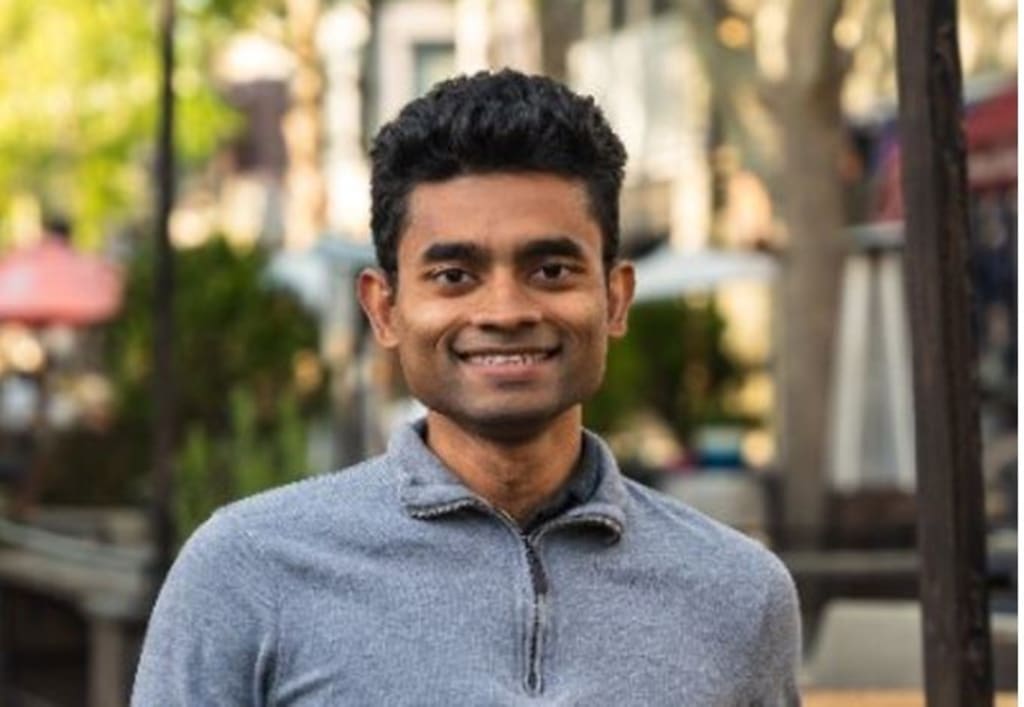
In a bold move to reinforce its position in the competitive artificial intelligence landscape, Google DeepMind has secured several key figures and technology assets from Windsurf, the innovative AI startup specializing in code generation. Most notably, the company has brought on board Windsurf’s CEO and co-founder, Varun Mohan, along with other critical team members. This acquisition follows the unexpected collapse of a potential acquisition deal by OpenAI, highlighting Google’s growing momentum in recruiting top AI talent and intellectual property to advance its Gemini AI project.
Varun Mohan is widely recognized as a rising star in AI entrepreneurship. A graduate of MIT, Mohan co-founded Windsurf (previously known as Codeium) in 2021, building a platform focused on automating coding through natural language commands. Windsurf quickly gained traction, attracting over a million users and securing substantial investment funding, reaching a valuation of more than $1 billion. The startup’s success lies in its agentic AI models that can understand complex programming tasks, generate and refactor code autonomously, and integrate with popular development environments.
Google’s acquisition of Mohan and his team is less a traditional buyout and more a strategic partnership—sometimes referred to as a reverse acquihire. Rather than fully absorbing Windsurf, Google has licensed certain technology and hired key personnel to enhance DeepMind’s AI coding capabilities while allowing Windsurf to remain independent and continue pursuing its own product roadmap. This approach sidesteps potential regulatory challenges and enables Google to rapidly incorporate Windsurf’s advanced “Cascade” system, an intelligent integrated development environment (IDE) capable of autonomous code drafting and execution.
The timing of this acquisition is significant. Windsurf had been in advanced talks with OpenAI, with a potential acquisition deal valued at around $3 billion. However, these negotiations fell through amid reported tensions between OpenAI and its major backer Microsoft, opening the door for Google to swoop in. By securing these critical resources, Google DeepMind is well-positioned to accelerate its development of AI-driven coding tools embedded within its ambitious Gemini AI platform.
Gemini represents Google’s long-term vision for AI: an agentic, multimodal model that not only understands natural language but also interacts with software and tools to complete complex tasks. The infusion of Windsurf’s code-generation expertise bolsters this vision, equipping Gemini with enhanced abilities to assist developers by automating programming workflows, debugging, and even creating new software autonomously.
Industry analysts see this acquisition as emblematic of a broader shift in the AI arms race—from competing purely on model size and raw compute power to focusing on specialized tools and domain expertise. Recruiting elite talent like Varun Mohan and integrating Windsurf’s innovations aligns Google with the growing demand for AI-powered developer tools that can improve efficiency and unlock new possibilities in software creation.
While Google’s $2.4 billion investment in talent and technology is substantial, it also reflects a pragmatic strategy that avoids the regulatory scrutiny faced by full acquisitions in the tech sector. As government agencies worldwide increasingly scrutinize big tech’s influence, such talent-first deals provide a way to innovate while minimizing legal risk.
For Windsurf, this collaboration offers resources and infrastructure to scale its technologies globally without compromising its entrepreneurial independence. Meanwhile, Google gains an invaluable boost to its AI toolkit, positioning itself to challenge competitors like OpenAI and Microsoft in the rapidly evolving space of AI-assisted coding.
Ultimately, the biggest winners may be the developer community and the broader tech ecosystem. Enhanced AI coding assistants promise to streamline software development, reduce repetitive tasks, and accelerate innovation across industries. As AI systems become more capable of understanding and generating code, developers can focus more on creativity and problem-solving rather than mundane programming chores.
Google’s move to secure Windsurf’s leadership and technology signals the next phase in AI’s evolution—from large-scale language models to practical, specialized applications that transform how we work and build. With Varun Mohan and his team now part of DeepMind’s ambitious journey, Google is set to push the boundaries of what AI can do for developers and the future of software engineering.
About the Creator
Ramsha Riaz
Ramsha Riaz is a tech and career content writer specializing in AI, job trends, resume writing, and LinkedIn optimization. He shares actionable advice and insights to help professionals stay updated.
Keep reading
More stories from Ramsha Riaz and writers in Journal and other communities.
Grok 4’s Default to Elon Musk’s Views Sparks Concerns Over Bias in AI Responses
Elon Musk’s artificial intelligence startup, xAI, has launched Grok 4, the latest version of its chatbot integrated into X (formerly Twitter). While the model is being praised by some for its improved reasoning abilities and real-time web search capabilities, early users and researchers have noticed a peculiar and concerning behavior: the chatbot frequently refers to Elon Musk’s personal views when responding to sensitive or political questions—even when his name isn’t mentioned in the query.
By Ramsha Riaz8 months ago in Journal
Author’s Advice
If you would’ve asked me 20 years ago did I know I’d become a writer and an author, I would’ve said “nope, ain’t happening”. As fate would have it I did become an author and I can honestly say I’m loving it so far. It really does feel good to be a writer. I’ve learned a lot on this journey and I feel like with even me being as new to this world as I am, there’s some wisdom I need to share with every other aspiring author.
By Joe Patterson3 days ago in Journal



Comments
There are no comments for this story
Be the first to respond and start the conversation.