
Google's Cancelled Nvidia Chromebook Plans
What We Know So Far


In the ever-evolving world of technology, cancellations, delays, and pivots are not uncommon occurrences. Recently, rumors have been swirling that Google has decided to cancel its plans for a Chromebook powered by Nvidia's cutting-edge hardware. While Google has not officially confirmed these reports, several sources indicate that this change in direction has significant implications for the future of Chromebooks and the broader tech landscape.
The Initial Excitement
Initially, the prospect of Google collaborating with Nvidia for a Chromebook was met with considerable enthusiasm. Nvidia, renowned for its graphics processing units (GPUs) and artificial intelligence (AI) prowess, was expected to bring a new level of performance and capability to Chromebook users.
The Power of Nvidia's Hardware
Nvidia's hardware is well-regarded for its high-performance computing capabilities. The integration of Nvidia's GPUs into a Chromebook would have potentially unlocked advanced AI processing, improved graphics rendering, and enhanced overall system performance. This could have been a game-changer for Chromebook users, especially those seeking more power for tasks like gaming, content creation, and machine learning.
Rumors of Cancellation
The first hints of trouble emerged when reports indicated that Google had halted development on the Chromebook-Nvidia project. Although the exact reasons remain undisclosed, industry insiders suggest that it may be due to technical challenges, cost concerns, or evolving strategic priorities.
The Implications
If these rumors are true, the cancellation of Google's Nvidia-powered Chromebook could have several implications:
Competition in the Chromebook Market: Chromebooks have been gaining popularity in recent years, especially in education and business sectors. Google's collaboration with Nvidia could have strengthened its position against competitors like Apple and Microsoft in providing high-performance Chromebooks.
AI and Machine Learning: Nvidia's AI capabilities could have brought advanced machine learning features to Chromebooks, making them attractive for developers and professionals in need of AI-driven applications.
Gaming Potential: Chromebooks are not traditionally associated with gaming, but Nvidia's hardware could have unlocked gaming potential on these devices, expanding their appeal to a broader audience.
Future Collaborations: The cancellation raises questions about Google's ongoing relationship with Nvidia and whether they will explore alternative projects or partnerships in the future.
Google's Continued Commitment to Chrome OS
While this particular collaboration may have been shelved, it's important to note that Google remains committed to the development and improvement of its Chrome OS platform. Chromebooks continue to evolve with new features, better integration with Android apps, and enhanced security, making them a viable choice for many users.
Alternative Paths for Google and Nvidia
The termination of the Chromebook-Nvidia project doesn't necessarily mark the end of potential collaborations between these two tech giants. Both Google and Nvidia are known for their innovation and willingness to explore new opportunities. It's plausible that they could revisit their partnership in the future, perhaps with a different focus or a refined approach. The cancellation might serve as a valuable learning experience, guiding them towards more feasible and strategic endeavors.
Impact on the Chromebook Ecosystem
The cancellation of Google's Nvidia-powered Chromebook could influence the broader Chromebook ecosystem. Chromebook manufacturers may reevaluate their own partnerships and hardware development strategies. Nvidia's technology is highly sought after, and other companies in the industry may seek to leverage its capabilities to enhance their own Chromebook offerings. This competitive landscape could lead to the emergence of more diverse and powerful Chromebook options for consumers in the long run.
The Ongoing Evolution of Technology
In the dynamic realm of technology, adaptability is key. Projects may be initiated and shelved as circumstances change, but this process of experimentation and adjustment is what drives innovation forward. Google's decision to cancel its Nvidia Chromebook plans is a reflection of the complex interplay of technical, financial, and strategic factors that shape the industry. As the tech world continues to evolve, users can expect exciting new developments and unexpected partnerships, ensuring that the future of computing remains both dynamic and full of potential.
Conclusion
The cancellation of Google's Nvidia Chromebook project is a reminder that in the tech industry, plans can change rapidly. While this specific collaboration may not come to fruition, it doesn't diminish the potential for future innovations in the world of Chromebooks and Nvidia's continued impact in the field of high-performance computing. As the tech landscape continues to evolve, we can expect new developments and partnerships to shape the future of computing devices, ensuring that users have access to increasingly powerful and versatile tools.
About the Creator
Shozab Raza
Shozab Raza: CEO & Founder of Enovadors, a US-based startup driving innovation in tech solutions. Passionate about excellence, redefining industry norms.
Keep reading
More stories from Shozab Raza and writers in Journal and other communities.
TikTok Banned in New York City
In a startling move that's capturing headlines and sparking conversations across the digital landscape, the city that never sleeps has taken a significant step to safeguard its digital sovereignty. New York City has officially banned TikTok on all government-owned devices, sending ripples through the tech realm and igniting debates on the delicate balance between entertainment and security.
By Shozab Raza2 years ago in Journal
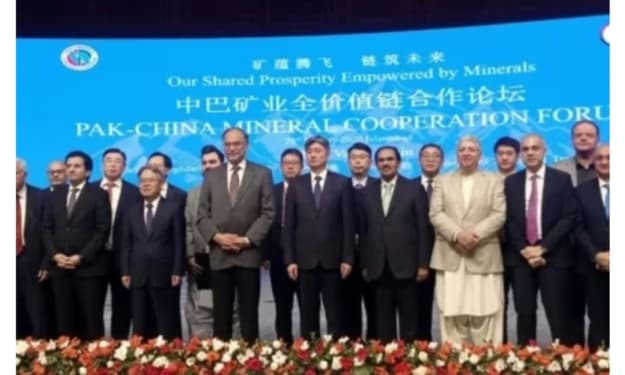
Pakistan’s Mineral Exports Could Hit $6–8 Billion Annually With Value Addition: Ahsan Iqbal
ISLAMABAD — Pakistan’s mineral sector holds immense promise, and with a strategic shift toward value addition, the country could see its mineral exports surge to between $6 billion and $8 billion per year by the end of the decade, Federal Minister for Planning and Development Ahsan Iqbal said on Wednesday. Speaking at the Pakistan–China Mineral Cooperation Forum in Islamabad, Iqbal outlined a vision for transforming Pakistan’s historically under‑utilised mineral wealth into a linchpin of export‑led growth.
By Salaar Jamaliabout 18 hours ago in Journal



Comments
There are no comments for this story
Be the first to respond and start the conversation.