
Global Warming Effects: What’s Happening Around the World
Global Warming Effects
Introduction
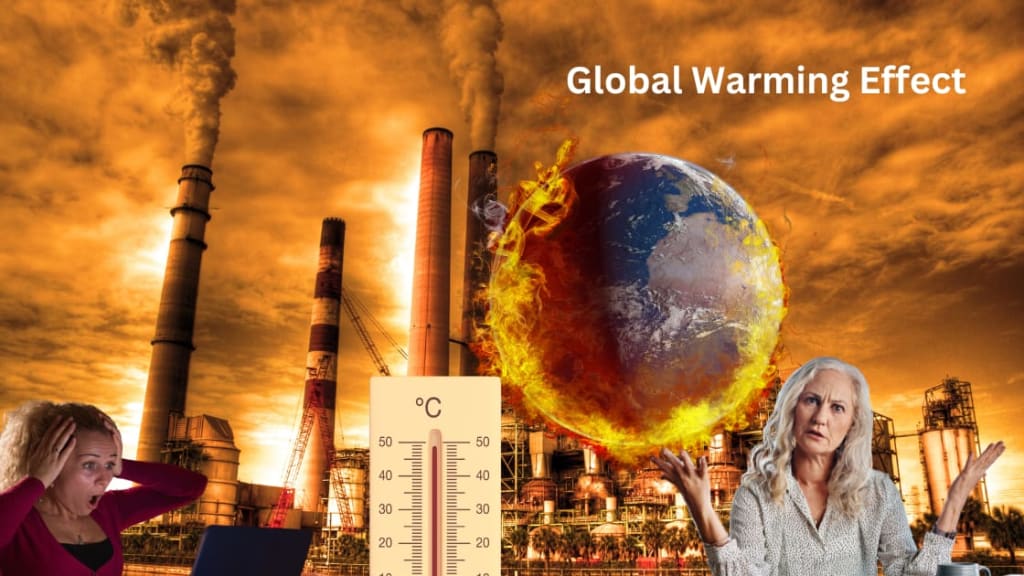
Global warming is reshaping our planet with profound and far-reaching consequences. The rise in global temperatures, driven by human activities, is causing significant changes in ecosystems, weather patterns, and human societies. This article examines the effects of global warming across different regions, explores its impact on the environment and economy, and highlights what actions are being taken to address this crisis.
1. The Science Behind Global Warming Effects Worldwide
Global warming refers to the long-term increase in Earth’s average surface temperature due to greenhouse gas (GHG) emissions. Key contributors include:
Carbon Dioxide (CO₂): Released from burning fossil fuels and deforestation.
Methane (CH₄): Emitted by livestock, agriculture, and oil drilling.
Nitrous Oxide (N₂O): From fertilizers and industrial activities.
Industrial Pollutants: Such as hydrofluorocarbons (HFCs).
The Intergovernmental Panel on Climate Change (IPCC) reports that temperatures have risen by approximately 1.2°C since pre-industrial times, with significant consequences already observable.
2. Effects on Weather Patterns for Global Warming Effects Worldwide
Increasing Heatwaves
Record-Breaking Temperatures: Regions like the Middle East and South Asia are experiencing extreme heat, with temperatures exceeding 50°C in some areas.
Health Impacts: Heatwaves lead to heat-related illnesses and deaths, particularly among vulnerable populations such as the elderly and children.
Intensifying Storms
Stronger Hurricanes and Typhoons: Warmer oceans fuel more powerful storms, causing widespread devastation. For instance, the 2024 hurricane season has already shown record-breaking activity in the Atlantic.
Economic Losses: Damaged infrastructure, disrupted supply chains, and rebuilding costs are skyrocketing in storm-prone areas.
Shifting Rainfall Patterns
Flooding: Regions such as South Asia and Central Europe are experiencing more frequent and severe flooding due to intense rainfall events.
Droughts: Parts of Africa and the American Southwest are facing prolonged droughts, threatening water supplies and agriculture.
3. Melting Ice and Rising Seas for Global Warming Effects Worldwide
Polar Ice Melt
Arctic Sea Ice Decline: The Arctic is warming nearly four times faster than the global average, leading to rapid ice loss. This impacts global weather patterns and threatens native wildlife like polar bears and seals.
Greenland and Antarctic Ice Sheets: Melting ice sheets contribute significantly to sea-level rise.
Rising Sea Levels
Coastal Erosion: Low-lying areas like the Maldives, Bangladesh, and parts of the U.S. Gulf Coast are losing land to rising seas.
Saltwater Intrusion: Salinity in freshwater systems is increasing, affecting agriculture and drinking water supplies in coastal regions.
4. Impact on Ecosystems and Biodiversity for Global Warming Effects Worldwide
Coral Reefs Under Threat
Bleaching Events: Warming oceans cause coral bleaching, destroying marine habitats that support diverse species.
Economic Impact: Coral reefs provide income through fishing and tourism; their loss devastates local economies.
Species Migration and Extinction
Changing Habitats: Animals are migrating to cooler regions, disrupting ecosystems and food chains.
Extinction Risks: Species unable to adapt, like certain amphibians and Arctic wildlife, are at greater risk of extinction.
Forest Dieback
Amazon Rainforest: Often called the "lungs of the planet," the Amazon is experiencing deforestation and warming, risking its transformation into a savanna-like environment.
Boreal Forests: Increased wildfires and pest outbreaks are threatening forests in Canada, Russia, and Scandinavia.
5. Threats to Human Health for Global Warming Effects worldwide
Heat-Related Illnesses
Rising temperatures lead to heatstroke, dehydration, and cardiovascular stress.
Heatwaves exacerbate pre-existing conditions, increasing mortality rates.
Spread of Diseases
Warmer climates expand the range of vector-borne diseases like malaria and dengue fever.
Water scarcity and flooding increase the risk of cholera and other waterborne diseases.
Mental Health Impacts
Disasters such as floods and wildfires cause trauma, anxiety, and depression.
6. Economic Consequences for Global warming Effects worldwide
Agricultural Disruption
Crop Yields Decline: Extreme weather affects the growth of staple crops like wheat, maize, and rice.
Food Prices Rise: Reduced yields and supply chain disruptions lead to higher food prices, increasing global hunger and inequality.
Energy Challenges
Increased Cooling Demand: Heatwaves drive up electricity consumption for air conditioning, straining power grids.
Hydropower Decline: Droughts reduce water levels in reservoirs, affecting hydropower generation.
Infrastructure Damage
Floods, hurricanes, and wildfires destroy infrastructure, necessitating costly repairs and mitigation efforts.
7. Regional Impacts for Global Warming Effects Worldwide
North America
Wildfires in the West: Intensified by dry conditions and heat, wildfires destroy forests and communities.
Hurricanes on the East Coast: More frequent and destructive storms batter coastal cities.
Europe
Heatwaves and Droughts: Mediterranean countries face prolonged droughts, threatening water supplies.
Melting Glaciers: Alpine glaciers are retreating, impacting tourism and water resources.
Asia
Monsoon Variability: Unpredictable monsoon patterns affect agriculture in South Asia.
Rising Seas: Coastal megacities like Mumbai, Shanghai, and Jakarta face increasing flood risks.
Africa
Desertification: Expanding deserts threaten livelihoods in the Sahel region.
Food Security: Erratic weather patterns disrupt farming, exacerbating hunger crises.
Oceania
Coral Reef Loss: The Great Barrier Reef continues to suffer from bleaching events.
Sea-Level Rise: Pacific Island nations are losing land and freshwater resources.
8. Global Response to the Crisis for Global Warming Effects Worldwide
International Agreements
Paris Agreement Goals: Efforts to limit warming to 1.5°C include pledges to reduce emissions and adopt renewable energy.
COP28: The 2024 UN Climate Change Conference focuses on stricter enforcement of climate commitments.
Renewable Energy Transition
Solar and Wind Power: Investments in renewable energy are accelerating worldwide.
Innovations: Emerging technologies like green hydrogen and energy storage solutions are gaining traction.
Climate Adaptation
Infrastructure Upgrades: Coastal cities are investing in seawalls and flood defenses.
Water Management: Desalination and rainwater harvesting address water scarcity in drought-prone areas.
9. Grassroots and Corporate Actions for Global Warming Effects Worldwide
Community Initiatives
Local communities are adopting sustainable practices, such as urban farming and zero-waste initiatives.
Corporate Commitments
Many companies are setting net-zero goals and adopting green technologies in their operations.
Youth Activism
Movements led by young activists, such as Fridays for Future, continue to push for urgent climate action.
10. Looking Ahead for Global Warming Effects Worldwide
Challenges
Policy Enforcement: Ensuring countries meet their emissions targets is critical.
Technological Barriers: Scaling up green technologies and infrastructure remains a challenge.
Equity Issues: Developing nations need financial support to adapt to climate impacts.
Opportunities
Innovation in Climate Tech: Advances in carbon capture, renewable energy, and sustainable agriculture offer hope.
Global Collaboration: The climate crisis provides an opportunity for unprecedented international cooperation.
Conclusion
Global warming is an undeniable reality, with its effects felt across every continent and ecosystem. While the challenges are immense, the global community’s response is a testament to human resilience and ingenuity. From renewable energy transitions to grassroots activism, there is still hope to mitigate the worst impacts and build a sustainable future.
As the world faces this pivotal moment, collective action and innovation will determine the trajectory of our planet for generations to come.
About the Creator
Expert Tips for Enhancing Cloud Computing Security
As businesses increasingly migrate their operations to the cloud, securing cloud environments has become a critical priority. Cloud computing offers unmatched flexibility, scalability, and cost efficiency, but it also introduces unique security challenges that can compromise sensitive data, disrupt operations, and damage reputations. Implementing robust cloud computing security measures is essential for organizations of all sizes. This article explores expert insights and actionable cloud computing security tips to help protect your business in the cloud era.
By Scott Andery4 days ago in Journal




Comments
There are no comments for this story
Be the first to respond and start the conversation.