
Glass Roofing
A Modern Solution for Natural Light, Elegance, and Durability
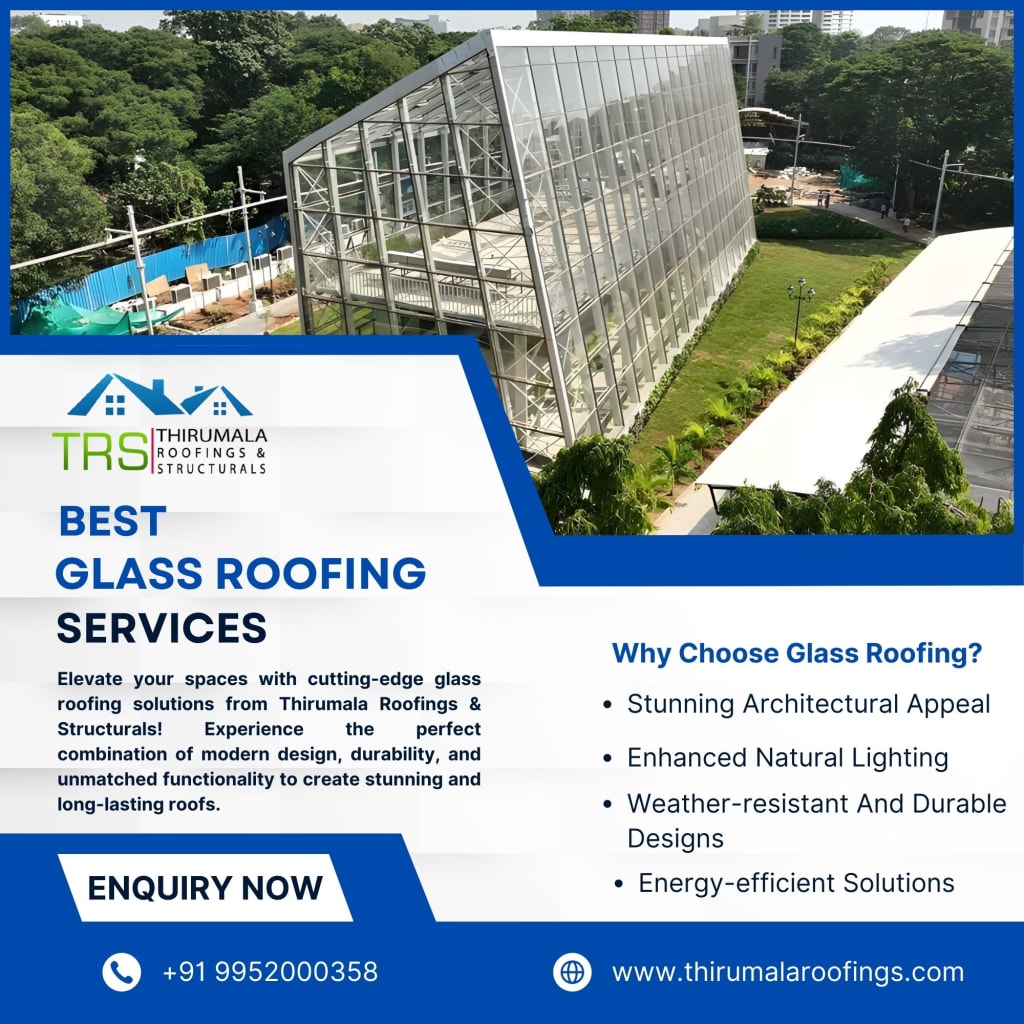
A glass roof is one of the most popular architectural features in modern homes and commercial buildings. It provides an elegant, contemporary look while allowing an abundance of natural light into the space. Glass roofs are used in various applications, such as skylights, conservatories, atriums, and overhead canopies. Not only do they enhance the visual appeal of a property, but they also contribute to energy efficiency, promote indoor comfort, and provide a direct connection to the outdoor environment.
In this guide, we’ll explore everything you need to know about glass roofs, including the benefits, types, installation process, and maintenance tips to ensure their longevity.
What is a Glass Roof?
A glass roof is a roofing system that features glass as the primary material for covering a structure. Unlike traditional roofing materials like shingles, tiles, or metal, a glass roof is transparent or semi-transparent, allowing light to filter through. These roofs can be used in various applications, such as skylights, atriums, conservatories, or even full roof coverings for modern homes and commercial buildings.
The glass used for these roofs is typically toughened or laminated to withstand the pressures of weather, thermal changes, and physical impacts. It is designed to be strong and durable while maintaining transparency or an aesthetic appeal that allows natural light to flood the interior spaces.
Benefits of Glass Roofs
Natural Light
The primary advantage of a glass roof is the amount of natural light it allows into a space. A well-placed glass roof or skylight can dramatically brighten up a room, reducing the need for artificial lighting during the day. This not only enhances the interior atmosphere but can also lead to significant energy savings by decreasing electricity consumption.
Enhanced Aesthetic Appeal
Glass roofs provide an elegant, modern look that adds a sense of luxury and style to any space. Whether used in a living room, dining area, or commercial building, a glass roof can create a visually striking feature that transforms the entire space. The transparency of the glass allows for an uninterrupted view of the sky, making the space feel more open and connected to the outdoors.
Energy Efficiency
Although it might seem counterintuitive, a well-designed glass roof can actually contribute to energy efficiency. Modern glass roofs are often coated with special reflective films or treated with low-emissivity coatings to prevent heat loss in winter and excessive heat gain in summer. This helps maintain a comfortable indoor temperature and reduces the need for heating or cooling systems, making your building more energy-efficient.
Increased Property Value
Installing a glass roof can significantly increase the value of your property. Homes and buildings with striking, high-quality architectural features, such as a glass roof, are seen as more desirable by buyers. The beauty and functionality of a glass roof can make a property stand out, increasing its market appeal.
Connection to Nature
A glass roof provides a unique way to enjoy the beauty of nature from the comfort of your own home or business. It allows occupants to enjoy the sky, stars, and changing weather conditions while maintaining the comfort of being indoors. This connection to nature has been shown to improve mental well-being and create a serene and calming atmosphere.
Design Flexibility
Glass roofs offer great flexibility in terms of design. Whether you want a small skylight or an entire glass roof, there are a variety of design options available to suit your needs. Glass roofs can be tailored to complement the design and style of the building, with options for both flat and pitched roof systems. The ability to incorporate different types of glass, such as clear, frosted, or tinted glass, provides further customization options.
Types of Glass Roofs
There are several types of glass roofs, each suited to different types of buildings and purposes. The most common types include:
Skylights
Skylights are small windows placed in the roof of a building to allow natural light to enter. They are often installed in kitchens, bathrooms, or hallways to brighten up dark spaces. Skylights can be fixed or operable, allowing for ventilation when needed. They can be made of clear, frosted, or tinted glass, depending on the desired amount of light and privacy.
Glass Roof Lanterns
A glass roof lantern is a raised structure with glass panels that allow light to enter a room from above. Lantern roofs are commonly used in traditional and contemporary architecture to create a dramatic effect in dining rooms, living rooms, or conservatories. They often feature a series of panes arranged in a grid pattern and are supported by a framework of timber or metal.
Conservatories and Atriums
Conservatories and atriums are large glass roof structures that extend the living or working space into an enclosed garden or open-air space. These structures often cover a large area and provide a seamless transition between indoor and outdoor environments. Glass roofs in conservatories and atriums are designed to provide maximum natural light while keeping the space warm and comfortable.
Glass Canopies
Glass canopies are simple structures that provide protection from the elements while still allowing light to filter through. They are often used above doorways, entrances, or outdoor patios. Glass canopies can be installed as standalone structures or as extensions to existing roofs, providing shade and shelter while maintaining an open and airy feel.
Full Glass Roofs
Full glass roofs are used for larger spaces, such as offices, commercial buildings, or modern homes. These roofs cover the entire area, providing a continuous flow of natural light throughout the building. Full glass roofs are typically supported by metal or steel frames and can be either flat or sloped, depending on the design and requirements of the building.
Installation of Glass Roofs
Installing a glass roof is a complex process that requires professional expertise to ensure the roof is secure, weather-resistant, and functional. The installation process is outlined in this general overview:
Planning and Design
Before installation begins, careful planning and design are crucial. The size, style, and type of glass roof must be chosen based on the building's architecture and the purpose of the space. The design process also involves determining the type of glass to be used, as well as the structural support required to bear the weight of the glass.
Structural Assessment
A structural assessment is necessary to ensure that the existing building or framework can support the weight of the glass roof. This may involve reinforcing the supporting walls, beams, and rafters to provide adequate support for the roof.
Preparation of the Site
The site must be prepared by removing any existing roof or structure that will be replaced by the glass roof. The surface must be cleaned and leveled to ensure a secure and proper fit for the new roof. Depending on the design, the supporting framework may need to be installed before the glass panels.
Glass Panel Installation
The glass panels are carefully lifted and positioned into place, either manually or with the assistance of cranes or other lifting equipment. The panels are then secured to the supporting framework, using high-strength seals and anchors to ensure stability and prevent leaks.
Sealing and Waterproofing
Proper sealing and waterproofing are critical in ensuring that the glass roof does not allow water infiltration. High-quality sealants and gaskets are applied around the edges of the glass panels to create a watertight barrier and protect the interior of the building from the elements.
Final Inspection
Once the installation is complete, the roof is thoroughly inspected to ensure that it is secure, stable, and functioning as intended. Any necessary adjustments are made, and the roof is tested for leaks and structural integrity before being deemed fully operational.
Maintenance of Glass Roofs
Glass roofs require minimal maintenance, but regular care is essential to ensure their longevity and performance. To maintain your glass roof in top condition, follow these maintenance tips:
Cleaning the Glass Panels
Glass roofs should be cleaned regularly to prevent the buildup of dirt, dust, and debris. Use a soft cloth or sponge with a mild cleaning solution to wipe down the glass panels. Be careful when using abrasive materials or harsh chemicals that could cause damage to the surface.
Inspecting for Damage
Regularly inspect the glass roof for any signs of cracks, chips, or other damage. Small issues should be addressed immediately to prevent further damage or water leakage. If a panel is cracked or broken, it should be replaced as soon as possible.
Checking the Sealant and Waterproofing
Over time, the sealant around the glass panels may wear out or become damaged. Regularly check the seals for any signs of deterioration or gaps. Reapply sealant or replace damaged seals as necessary to maintain waterproofing.
Cleaning the Guttering and Drains
Glass roofs often have built-in drainage systems to prevent water from accumulating on the surface. Make sure the gutters and drains are clear of debris and functioning properly to avoid water buildup, which could lead to leaks or water damage.
Regular Inspections
In addition to regular cleaning, it’s important to schedule periodic professional inspections of your glass roof. A qualified contractor can assess the roof for any structural issues, sealant problems, or potential leaks, ensuring that your roof remains in top condition.
Conclusion
Glass roofs offer a beautiful, modern, and functional way to bring natural light into a space while enhancing the architectural appeal of a property. Whether used as skylights, conservatories, or full roof coverings, glass roofs provide a range of benefits, from energy efficiency to improved aesthetics. With proper design, installation, and maintenance, a glass roof can add value, comfort, and elegance to any property, creating a seamless connection between indoor and outdoor spaces.
About the Creator
Keep reading
More stories from Barani Digital Marketer and writers in Journal and other communities.
Gates
Gates are essential components of any property, whether residential, commercial, or industrial. They provide access control, security, privacy, and often add an aesthetic value to the property’s entrance. A well-chosen and well-maintained gate can significantly enhance the overall look and functionality of a space. In this guide, we will explore the different types of gates, the importance of gates, their installation process, and how to maintain them for optimal performance and longevity.
By Barani Digital Marketer12 months ago in Journal
The Rosary and How It Leads to Christ
The Rosary is one of the most recognizable and cherished prayers in the Catholic Church. To many, it may appear as a repetitive sequence of words, beads, and Hail Marys, but in reality, it is a spiritual journey that leads the faithful closer to Christ. Praying the Rosary is not about counting prayers as if they were tokens. It is about meditation, reflection, and entering into the mysteries of salvation history through the life of Jesus.
By Sound and Spirit7 days ago in Journal
How to Succeed at the Benson Directory®
Congratulations and welcome to the Benson Directory® employee #22391! As our newest call handler, you will have the privilege of speaking with dozens of unique and interesting people on a daily basis as well as the opportunity to earn bonuses for high performance. Contained within this handbook you will find a set of ease to follow instructions designed to help you settle in to your new role and begin paving the way to success.
By S. A. Crawford4 days ago in Fiction



Comments
There are no comments for this story
Be the first to respond and start the conversation.