
Gates
A Comprehensive Guide to Types, Installation, and Maintenance for Security and Aesthetics
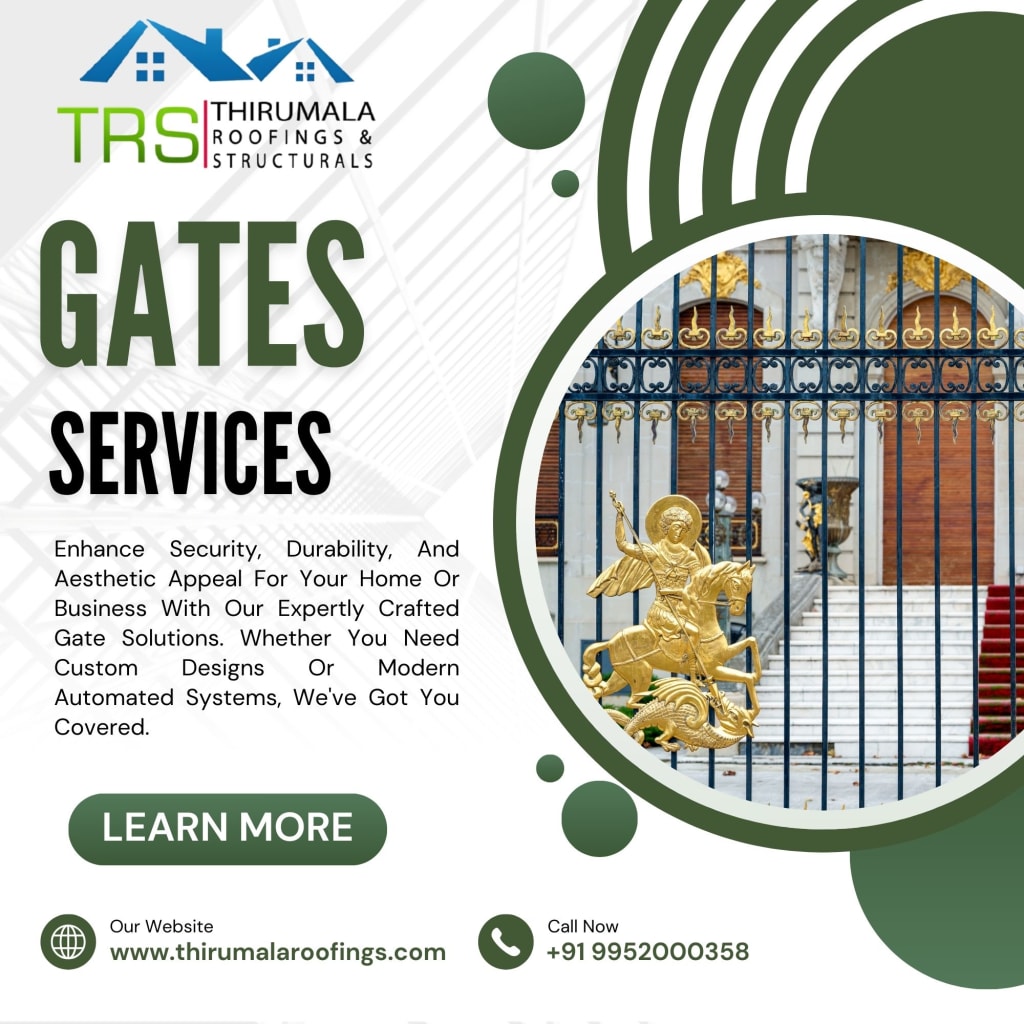
Gates are essential components of any property, whether residential, commercial, or industrial. They provide access control, security, privacy, and often add an aesthetic value to the property’s entrance. A well-chosen and well-maintained gate can significantly enhance the overall look and functionality of a space. In this guide, we will explore the different types of gates, the importance of gates, their installation process, and how to maintain them for optimal performance and longevity.
What Are Gates?
A gate is a movable barrier used to close off an opening, typically in a fence, wall, or other enclosure. Gates serve various functions, from providing access to securing a space, offering privacy, and contributing to the overall aesthetic of a property. Gates come in different styles, materials, and mechanisms to suit various needs, environments, and preferences.
Gates are commonly used at the entrance to a property, garden, driveway, or parking lot. Depending on the intended purpose, gates may be designed for pedestrian use or to allow vehicular access. They can also be automated, providing added convenience and security.
Why Are Gates Important?
Gates play an important role in several areas:
Security
The most obvious reason for installing a gate is to enhance the security of your property. A gate serves as a physical barrier, helping to prevent unauthorized access and providing an additional layer of protection. Whether for a residential home, commercial establishment, or industrial facility, a gate can deter intruders and restrict access to restricted areas.
Privacy
In addition to security, gates can provide privacy by limiting visibility from the outside. This is particularly important for homes or businesses located near busy streets, where the gate can block the view of passersby and provide a secluded, peaceful environment.
Aesthetic Appeal
Gates contribute to the overall curb appeal of a property. A stylish and well-designed gate can complement the architecture and design of your home, office, or facility. Whether you want a traditional wrought iron gate, a modern wooden gate, or something more intricate, a gate can serve as a focal point for the property’s entrance.
Access Control
Gates are also essential for controlling who enters and exits a property. Automated gates, for example, allow for restricted access, enabling only authorized individuals to pass through. This is especially important for businesses, gated communities, or high-security facilities.
Traffic Control
In commercial or industrial settings, gates are used to regulate the flow of traffic. Large swing or sliding gates can allow vehicles to enter or exit the premises, while smaller pedestrian gates can control foot traffic. Gates can be used for both vehicular and pedestrian access, helping to maintain an organized and secure environment.
Protection for Pets and Livestock
For farms or properties with animals, gates are essential for keeping pets or livestock in designated areas and preventing them from wandering off. Gates can keep animals confined to safe spaces while also protecting them from potential dangers outside the property.
Types of Gates
There are several types of gates to choose from, each with unique features and benefits. These are the gates that are most common:
Swing Gates
Swing gates are one of the most popular gate types. As the name suggests, these gates open by swinging on hinges, much like a door. Swing gates can be installed for both pedestrian and vehicular access. They come in a variety of materials, such as wood, wrought iron, aluminum, and steel, allowing for a wide range of designs to suit the property’s aesthetic.
Advantages:
Simple and cost-effective
Ideal for residential and low-traffic areas
Wide range of design options
Disadvantages:
Requires enough space to swing open
Can be obstructed by snow, mud, or debris in some locations
Sliding Gates
Sliding gates slide horizontally along a track, which makes them ideal for properties with limited space or narrow driveways. They are especially popular for commercial and industrial sites, as they allow for a larger opening without requiring the additional space for a gate to swing open.
Advantages:
Ideal for properties with limited space
No swinging motion, so no need for clearance
Great for high-traffic areas
Disadvantages:
Can be more expensive to install
Requires regular maintenance of the track and mechanism
Automatic Gates
Residential, commercial, and industrial properties are seeing an increase in the popularity of automatic gates. These gates open and close automatically using electric motors and sensors. They can be either swing or sliding gates, depending on the property’s needs. Automatic gates offer added convenience and security, as they allow for remote access control.
Advantages:
Convenient and easy to use
Enhanced security features (e.g., remote access, code entry, video surveillance)
Ideal for high-security areas or busy entrances
Disadvantages:
Higher installation cost
Requires electricity and regular maintenance of the electric motor and sensors
Bi-Folding Gates
Bi-folding gates are a popular option for locations with limited space. These gates fold in half when opening and can be used in both residential and commercial settings. They are often made of aluminum, steel, or wood, depending on the desired design. Bi-folding gates are easy to operate and provide a secure barrier.
Advantages:
Space-efficient design
Quick opening and closing
Strong security features
Disadvantages:
Can be more expensive than traditional swing gates
Requires proper maintenance to prevent folding mechanism failure
Pedestrian Gates
Pedestrian gates are smaller gates designed for foot traffic rather than vehicles. These gates are typically installed alongside larger gates for vehicular access and provide easy entry for pedestrians. Pedestrian gates can be installed in residential, commercial, or industrial settings, depending on the needs.
Advantages:
Ideal for residential properties or smaller entrances
Easy to install and maintain
Can be automated for convenience
Disadvantages:
Limited to foot traffic (not suitable for vehicle access)
May need additional security measures to prevent unauthorized access
Security Gates
Security gates are designed to provide high-level protection against intruders and unauthorized access. These gates are often made from heavy-duty materials, such as steel or wrought iron, and are equipped with advanced security features, including reinforced frames, secure locking mechanisms, and even alarm systems. They are ideal for high-security areas, such as government buildings, embassies, or gated communities.
Advantages:
Enhanced security features
Can withstand physical force and vandalism
Often equipped with advanced access control systems
Disadvantages:
Higher installation cost
Requires regular maintenance and inspections
Gate Materials
The material of the gate plays a significant role in its durability, security, and aesthetic appeal. Common gate materials include:
Wooden Gates
Wooden gates offer a traditional and natural appearance, making them a popular choice for residential properties. They can be customized to match the architectural style of the home and can be painted or stained for a personalized look.
Advantages:
Classic and attractive appearance
Customizable designs
Can be relatively affordable
Disadvantages:
Requires maintenance to prevent rot and damage from the elements
Less durable than metal gates
Metal Gates (Steel, Wrought Iron, Aluminum)
Metal gates, including those made from steel, wrought iron, and aluminum, offer a strong, durable, and secure option. Metal gates are resistant to weather damage and provide excellent security.
Advantages:
High durability and strength
Offers good security
Low maintenance (depending on material)
Disadvantages:
Can be more expensive than wooden gates
Requires occasional repainting or rust prevention treatments (especially for steel gates)
PVC and Vinyl Gates
PVC and vinyl gates are low-maintenance alternatives to wood and metal gates. They are available in a range of colors and styles and are resistant to weathering and damage from UV rays. Vinyl gates are ideal for properties that require a durable and attractive fence without the upkeep of wooden gates.
Advantages:
Low maintenance
Resistant to weathering and rot
Durable and long-lasting
Disadvantages:
Can be more expensive upfront
Less customizable than wood or metal gates
Gate Installation Process
Installing a gate requires careful planning, proper tools, and attention to detail to ensure that the gate functions correctly and lasts for many years. Here’s a general overview of the gate installation process:
Planning and Measurement: Determine the location of the gate and take accurate measurements of the opening where the gate will be installed. Consider factors such as space for opening, clearance, and the material of the gate.
Choosing the Gate Style and Material: Select the type of gate (swing, sliding, automatic, etc.) and material (wood, metal, PVC) that best suits your needs and preferences.
Preparing the Site: Clear the area around the installation site, ensuring that there are no obstructions such as trees, rocks, or debris. If necessary, level the ground to ensure the gate operates smoothly.
Post Installation: Install the gate posts securely in the ground using cement or concrete to provide stability and strength. Ensure the posts are aligned correctly.
Attaching the Gate: Once the posts are in place, attach the gate to the posts using appropriate hardware, such as hinges for swing gates or track systems for sliding gates.
Final Adjustments: Adjust the gate’s operation, making sure it opens and closes smoothly. For automatic gates, ensure that the motor and sensors are functioning properly.
Gate Maintenance Tips
To ensure that your gate functions smoothly and lasts for years, regular maintenance is required:
Regular Inspection: Inspect the gate for any signs of wear, rust, or damage. Check the hinges, locks, and hardware to ensure they are functioning properly.
Cleaning: Clean the gate regularly to remove dirt, debris, and dust. Use a mild soap solution and a soft cloth to avoid damaging the gate’s surface.
Lubrication: Lubricate the hinges, locks, and other moving parts to prevent rust and ensure smooth operation.
Rust Prevention: For metal gates, apply a rust-resistant coating or paint to prevent corrosion and rust buildup.
Repainting and Repair: Periodically repaint wooden or metal gates to maintain their appearance and protect them from the elements. Repair any damage, such as cracks, chips, or bent parts, as soon as possible.
Conclusion
Gates are a critical part of any property, serving as barriers that provide security, privacy, and access control. The right gate can enhance the overall aesthetic of your property while offering added functionality. Whether you opt for a traditional wooden gate, a durable metal gate, or a modern automatic gate, the key is selecting the right style, material, and installation process that best suits your needs.
Regular maintenance is also essential to keep your gate in top condition. By taking care of your gate and ensuring its longevity, you can enjoy the benefits of a secure, functional, and attractive barrier for years to come.
About the Creator
Keep reading
More stories from Barani Digital Marketer and writers in Journal and other communities.
Frame & Wire Fencing Work
Fencing is an essential part of any property, whether residential, commercial, or industrial. It serves multiple purposes, including providing security, ensuring privacy, marking boundaries, and adding to the aesthetic appeal of the property. Among the various types of fencing, frame and wire fencing has become a popular choice due to its versatility, durability, and affordability. This fencing style combines a sturdy frame structure with wire mesh to create a strong and reliable barrier that can be adapted for different needs and environments.
By Barani Digital Marketer12 months ago in Journal
How a Warehouse Mezzanine Floor Solves Space Problems
Most warehouses don’t start with a space problem. They grow into one. At first, everything works. Stock fits. Teams move easily. Processes feel manageable. Then growth creeps in. Orders increase, new lines are added, and temporary solutions quietly become permanent. Before anyone officially calls it an issue, the warehouse feels tighter, slower, and harder to work in.
By Andrew Mileabout 5 hours ago in Journal



Comments
There are no comments for this story
Be the first to respond and start the conversation.