
Germany's Skilled Worker Dilemma: A Nation in Need, but Immigrants Face Uphill Battle
Why Some Expats Are Packing Their Bags and Leaving Europe's Economic Powerhouse

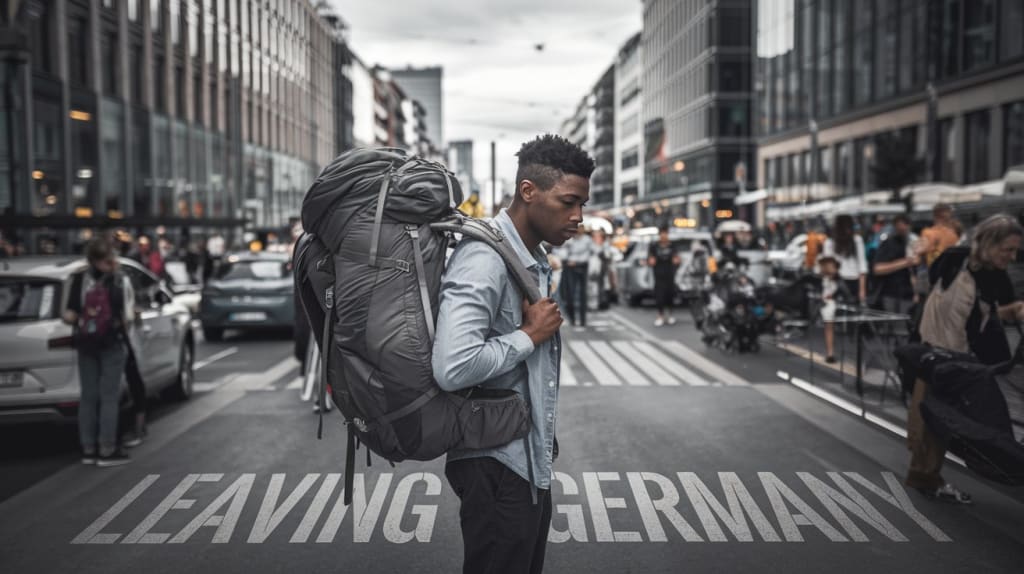
Germany, Europe's largest economy, finds itself at a critical juncture. With an aging population and a shrinking workforce, the country is facing a severe shortage of skilled workers that threatens its economic stability and future growth. Despite its reputation for efficiency and prosperity, Germany is struggling to attract and retain the foreign talent it desperately needs. This comprehensive report delves into the complex issues surrounding skilled immigration in Germany, exploring both the country's urgent requirements and the challenges faced by those who answer its call.
The German government has recognized the gravity of the situation, with estimates suggesting that the country needs to attract a staggering 400,000 skilled immigrants annually to maintain its economic momentum. This necessity stems from a demographic crisis where the ratio of workers to pensioners is rapidly declining, with only about two workers for every retiree. As hundreds of thousands of baby boomers retire each year, the pressure on the remaining workforce intensifies.
At first glance, Germany appears to be an attractive destination for skilled workers from around the world. The country boasts numerous pull factors, including robust career opportunities, a high level of safety, and an excellent healthcare system. Surprisingly, while competitive salaries are important, they rank only fourth among the reasons why skilled workers choose Germany. Other appealing aspects include its strong democratic institutions, quality education system, and clean environment.
However, the reality for many skilled immigrants upon arriving in Germany is far more complex and challenging than they anticipated. One of the most significant hurdles is the country's notorious bureaucracy. Navigating the maze of paperwork and regulations can be a daunting task, even for the most determined individuals. For instance, Pankaj, an IT professional from India, described the frustration of missing appointments due to strict punctuality requirements and facing weeks-long waits for simple administrative tasks.
Finding suitable accommodation is another major obstacle. The housing market in many German cities is extremely competitive, with over half of those searching for a new home spending more than a year in their quest. The situation is exacerbated for foreigners who face additional challenges such as language barriers and the need for a registered address to access essential services. This creates a catch-22 situation where immigrants need an address to enroll their children in school or open a bank account, but struggle to secure housing without these established roots.
The language barrier itself presents a formidable challenge. While many skilled workers arrive with the intention of learning German, they often find that services and daily interactions are conducted exclusively in German from day one. This can lead to feelings of isolation and frustration. Ozan, a business developer from Turkey, expressed his difficulty in understanding why there's such a strong imposition of the German language, even in professional settings where English might be more practical for international teams.
Cultural differences in the workplace can also be jarring for newcomers. The German work culture, characterized by a strong focus on tasks and limited small talk, can feel cold and unwelcoming to those accustomed to more social work environments. This cultural shock extends beyond the office, with many immigrants reporting difficulties in forming friendships with locals. In fact, among 53 countries surveyed, Germany ranks fifth from the bottom in terms of ease of making friends for expatriates.
Despite these challenges, Germany's need for skilled workers remains acute, particularly in sectors such as healthcare. Approximately one in six healthcare workers in Germany is of foreign origin, and this proportion is expected to rise as the population ages. However, the country's ability to attract and retain these essential workers is hampered by issues of discrimination and feelings of exclusion. Disturbingly, statistics show that three out of five Black individuals and people of color living in Germany have experienced racism, a factor that significantly diminishes the country's appeal to potential immigrants.
On the financial front, skilled immigrants often face a reality check when it comes to their earnings. While salaries may appear competitive on paper, high taxes and social security contributions can substantially reduce take-home pay. For example, a nurse earning the average salary of €3,433 might only take home €2,293 after deductions. This financial squeeze contributes to the fact that two out of five skilled immigrants in Germany report being somewhat or very unhappy with their financial situation.
It's not all doom and gloom, however. The EU Blue Card system offers a ray of hope for many highly skilled workers. This special visa allows for greater mobility within the EU and can make the prospect of working in Germany more attractive. Additionally, despite the challenges, many immigrants appreciate aspects of German life such as safety, equality (when language barriers are overcome), and the sense of order and calm in comparison to more chaotic environments.
To address these issues and enhance its appeal to skilled immigrants, Germany needs to implement significant changes. Experts and immigrants alike suggest several key improvements:
1. Provide better support systems for skilled immigrants during their initial years in the country, helping them navigate bureaucracy and cultural differences.
2. Streamline and simplify administrative processes, reducing the bureaucratic burden on newcomers.
3. Offer incentives or rewards for immigrants who commit to learning German, recognizing the time and financial investment required to master the language.
As Germany grapples with these challenges, the experiences of skilled immigrants like Pankaj, Taiza, and Ozan serve as valuable lessons. Their stories highlight both the opportunities and obstacles present in the German immigration landscape. The country's ability to address these issues and create a more welcoming environment for skilled foreign workers will be crucial in determining its economic future and its position as a leader in the global marketplace.
In conclusion, while Germany remains an attractive destination for many skilled workers, significant hurdles remain. The country's need for foreign talent is clear, but its ability to provide a smooth and welcoming transition for these valuable immigrants is still a work in progress. As the global competition for skilled workers intensifies, Germany must act decisively to reform its immigration processes and cultural attitudes if it hopes to secure the workforce it needs for a prosperous future.
About the Creator
Keep reading
More stories from Next Koding and writers in Journal and other communities.
Elon Musk Rages Against GOP Rift Over Immigration: I Will Go to War on This!
A fierce battle is brewing within the Republican Party over the future of U.S. immigration policy, with tech billionaire Elon Musk finding himself unexpectedly at the center of the firestorm after vowing to "go to war" to defend the H-1B visa program that provides a pipeline of foreign talent to Silicon Valley.
By Next Kodingabout a year ago in Journal
The goals I did not achieve
Every writing goal I made for the year is a wash. It has been this way for a while, but I think it's important to be open about my failures and the reality of how life can get in the way. This is especially true considering the several times I have posted on Vocal about my writing goals, how I was changing my approach, and where I was hoping to be for the upcoming year. I will probably do that again in a couple months, but for now, it is time to acknowledge where I am today.
By Kay Husnick23 days ago in Journal
The Eucharist: Why Catholics Believe in the Real Presence
The Eucharist is the center of Catholic life and worship. At Mass, Catholics receive the Body and Blood of Christ under the forms of bread and wine, a belief that sets Catholicism apart from many other Christian traditions. This doctrine, known as the Real Presence, teaches that Jesus Christ is truly present in the Eucharist, not symbolically or metaphorically, but in reality. Understanding why Catholics believe this and how it impacts their lives can deepen appreciation for this sacred sacrament.
By Sound and Spirit5 days ago in Journal



Comments
There are no comments for this story
Be the first to respond and start the conversation.