
Georgia’s rural hospitals use tax credit donations as Band-Aid
Taylor Regional Hospital in Pulaski County is the state’s eighth most financially strained facility in the Georgia Department of Community Health’s 2019 rural hospital rankings. Through June this year, donors wrote about $500,000 worth of checks designated for Taylor Regional in the state’s $60 million tax credit program
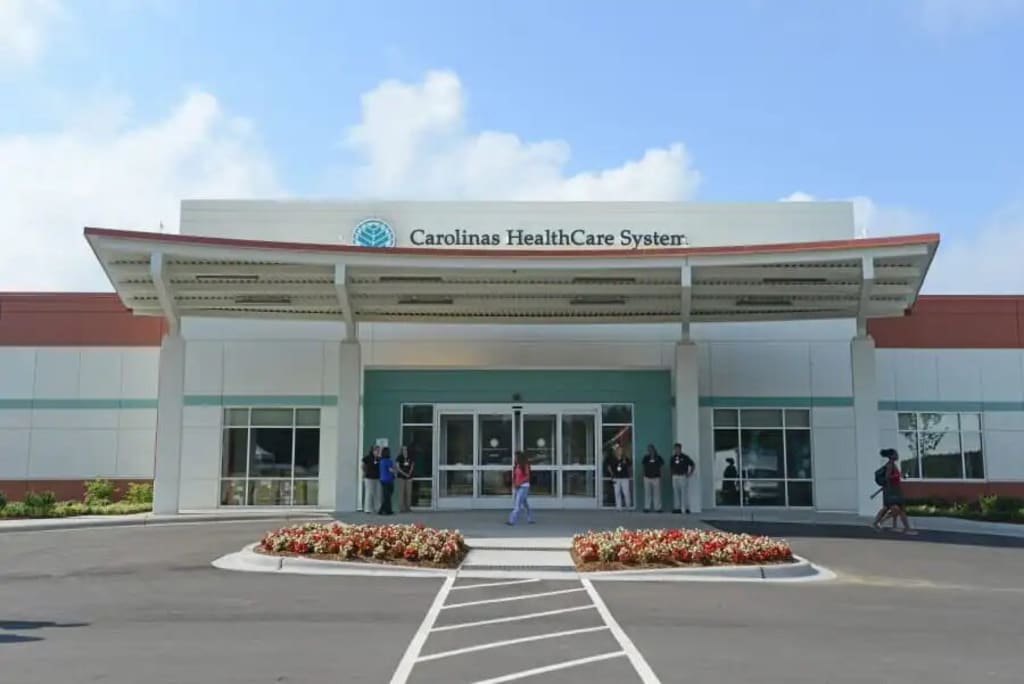
Jonathon Green says a tax credit program intended to help Georgia’s struggling rural health care system delivered $500,000 in donations last year to his Taylor Regional Hospital, money he used to upgrade imaging machines and other technology.
Green, CEO of Taylor Health Group, says he could put more donated dollars to good use, but it is great that the tax credit “provides a dollar-for-dollar impact” that benefits both hospitals and taxpayers.
“You hear a lot of times people want to control what their tax dollars do. This is one of very few things that you can specifically earmark what your state tax dollars does. You know where it goes. You see the impact of it. It’s specific. I think people need to understand that,” Green said.
It has been six years since state lawmakers passed the Rural Health Tax Credit, and while an overwhelming number of hospitals participating in the program report seeing a significant benefit from taxpayer donations of up to $4 million, a recent report by the Georgia Department of Audits and Accounts’ found that many of the neediest hospitals are still getting the smallest bulk of those dollars.
Each year the Georgia Department of Community Health determines which rural hospitals qualify for the program, ranking them based on need.
In the 2022 ranking, St. Mary’s Sacred Heart Hospital in Franklin County was in the No. 1 spot as the hospital with the most financial need out of 55 rural hospitals in line for donations. Navicent Health in Baldwin County, Dorminy Medical Center in Ben Hill County, Irwin County Hospital and Candler County Hospital filled out the other top five slots.
“In 2022, 22 of the 55 eligible hospitals received more than $1 million in contributions, and 22 received less than $500,000. Most contributions were directed by donors and not necessarily to the neediest hospitals as designated by the DCH (Georgia Department of Community Health). Five of the 10 neediest received less than the average collections per hospital of $1,067,862,” according to the auditor’s report.
Taylor Regional Hospital ranks fifteenth on the list, with about $500,000 in tax credit donations last year.
“We boosted our diagnostics significantly, we’ve added new radiology equipment. We’ve added MRIs and we’re able to keep up leases on those types of equipment to give us the ability to continue to provide those services,” Green said. “So I would just say an increase, from a technology standpoint, is what’s had the most impact from the tax credit.”
The program’s reach expands beyond rural communities, Green said, also providing a benefit to those living in Georgia’s more populated communities.
“I know living in the greater Atlanta area, that rural hospitals sometimes are not on their minds. But if rural hospitals start to close, then you’re going to see an impact on the urban and metro hospitals,” Green said.
“That is the impact and that’s what people need to think about. If these hospitals close, where are these people that would typically go to this hospital gonna go, they’re going to go there,” Green continued. “Then you’re gonna get really long wait times in the ERs, you’re gonna have long wait times to see physicians.”
Rural Hospital Tax Credit embraced slowly
It took a while for the program to gain traction after state lawmakers approved it in 2017, but changes were made to the program over the years that made it more appealing to taxpayers. Most of that interest hinges on a dollar-for-dollar tax break for individuals and companies.
In the past two years, the number of taxpayer credits hospitals claimed nearly reached the annual $60 million cap. Breaking down to $42.9 million in tax year 2021, of which individual taxpayers accounted for nearly 90% of that.
And in 2022, taxpayers donated a total of $58.7 million to eligible rural hospitals with contributions ranging from $67,000 to $3.99 million.
Most of the donations are managed by the Georgia HEART Hospital Program, a nonprofit that markets the credit to taxpayers and processes pre-approval requests and contributions.
Georgia HEART charges a 3% administrative fee for administration, which is about $1.78 million in fee revenue, that comes out of donor funds. That is a cut from the 6% fee originally planned.
In the firm’s 2022 annual report on the program, hospitals used the funds to increase the quality of patient care, make facility renovations and invest in better equipment such as updated MRI and mammography machines.
The third-party firm fell under scrutiny during the legislative process when lawmakers first debated the tax credit program, but now most rural hospitals find it much easier to work with Georgia HEART. But the state audit still raises questions about the effectiveness of the program and calls for increased efforts to ensure hospitals are reporting accurate information about how much money is being raised and how the funding is used.
HomeTown Health is a network of rural hospitals that advocates for accessible health care in communities facing the constant threat of a hospital closure, and works closely with hospitals that participate in the program.
Jimmy Lewis, CEO of HomeTown Health, said the tax credit program is a vital resource for rural hospitals, and believes the audit “has all the makings of a good study” as it details hospitals’ financial needs within the marketplace, as well as what improvements lawmakers should consider making to the program in the future.
The workforce shortage is so great, and raising money requires such specific skills, most hospital CEOs opt to use Georgia HEART despite the cost to participate.
“If I’m a rural hospital CEO and I’m struggling on a daily basis to make payroll and the opportunity comes along for me to pick up one or two million dollars, if I already don’t have sufficient skill sets to get cash coming in, but I have an opportunity with Georgia HEART to pay 3% and begin collecting, I’m foolish not to use the Georgia HEART program.”
It also is important to consider the stress that healthcare workers have been through since the COVID-19 pandemic.
“The pandemic brought with it very large sums of money,” Lewis said. “And all of the rural hospitals got all of this money at or about the same time that they had to decide how to spend it so that it could be accounted for at the federal level.”
Read more - Firenewsfeed
About the Creator
Keep reading
More stories from Firenews Feed and writers in Journal and other communities.
UK parliamentary committee to conclude Boris Johnson ‘partygate’ inquiry
A U.K. parliamentary committee is meeting Monday to conclude its inquiry into whether former Prime Minister Boris Johnson misled lawmakers over parties at his Downing Street office that breached COVID-19 lockdown restrictions.
By Firenews Feed3 years ago in Journal
Author’s Advice
If you would’ve asked me 20 years ago did I know I’d become a writer and an author, I would’ve said “nope, ain’t happening”. As fate would have it I did become an author and I can honestly say I’m loving it so far. It really does feel good to be a writer. I’ve learned a lot on this journey and I feel like with even me being as new to this world as I am, there’s some wisdom I need to share with every other aspiring author.
By Joe Patterson5 days ago in Journal




Comments
There are no comments for this story
Be the first to respond and start the conversation.