
Generative Engine Optimization (GEO): How to Rank Content in AI Search Results
Search is no longer limited to blue links and keyword lists. Today, people ask questions directly to AI tools like Google SGE, Bing AI, and ChatGPT.


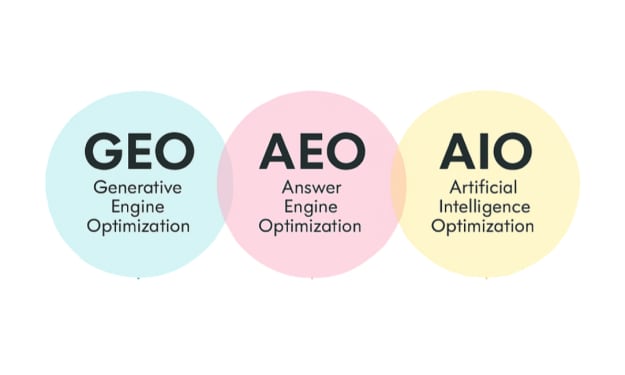
Search is no longer limited to blue links and keyword lists. Today, people ask questions directly to AI tools like Google SGE, Bing AI, and ChatGPT. These tools do not just show websites. They generate answers using content they trust. This shift has created a new optimization method called Generative Engine Optimization (GEO). GEO helps your content appear inside AI-generated answers instead of only ranking on traditional search pages. If you want your articles to show up when users search for GEO services, AI search optimization, or how to rank in generative search, you need to understand how GEO works and how to write content for it. This guide explains GEO in clear and simple terms.
What Is Generative Engine Optimization (GEO)?
Generative Engine Optimization (GEO) is the process of optimizing content so that AI search engines can understand, trust, and reuse it when generating answers. Unlike traditional SEO, GEO does not focus only on ranking links. It focuses on how AI systems read, summarize, and cite content.
Generative engines look for:
• Clear explanations
• Helpful structure
• Trusted information
• Natural language
• Direct answers
When your content meets these needs, AI tools are more likely to include it in their responses.
Why GEO Matters More Than Ever
Search behavior has changed. Users now type questions like:
• “What is Generative Engine Optimization?”
• “Best GEO strategy for AI search”
• “How to optimize content for Google SGE”
AI tools answer these questions directly. Many users never click a website link. If your content does not appear inside AI answers, you lose visibility.
GEO helps you:
• Reach users earlier in the search journey
• Build trust with AI systems
• Increase long-term content value
• Stay visible as search evolves
This is why businesses, writers, and publishers now invest in GEO optimization services.
GEO vs SEO: What Is the Difference?
SEO and GEO work together, but they are not the same.
SEO focuses on:
• Keywords
• Backlinks
• Page speed
• Meta tags
• Rankings on search result pages
GEO focuses on:
• Answer quality
• Context clarity
• Structured content
• Natural language
• AI readability
SEO helps users find your page. GEO helps AI engines use your content as an answer. Smart content today uses both SEO and GEO.
How Generative Search Engines Choose Content
AI search engines do not randomly pick content. They follow patterns.
They prefer content that:
• Directly answers questions
• Uses clear headings
• Avoids fluff and filler
• Explains terms simply
• Shows logical flow
They also favor content that sounds human, not robotic.If your article explains a topic step by step, AI systems can break it into usable parts and show it to users.
Key Elements of GEO-Optimized Content
To rank for GEO-related searches, your content must include these elements.
1. Clear Topic Definition
AI engines want quick clarity. Define the main topic early.
For example:
“Generative Engine Optimization helps content rank inside AI-generated search answers.”
This simple line tells AI exactly what your page is about.
2. Question-Based Structure
Most AI searches start with questions.
Use headings like:
• What is GEO?
• Why does GEO matter?
• How does GEO work?
This helps AI match your content to user queries.
3. Natural Keyword Placement
Do not stuff keywords. Use them naturally.
Examples of strong GEO keywords:
• Generative Engine Optimization
• GEO optimization
• AI search optimization
• GEO services
• Ranking in generative search
• AI search visibility
Place them where they fit logically.
4. Simple and Direct Language
AI prefers clarity over style.
Avoid:
• Complex wording
• Marketing hype
• Overused buzzwords
Use short sentences. Explain ideas clearly. This improves both human and AI understanding.
5. Strong Context Signals
Context helps AI judge relevance.
You can add context by:
• Explaining why something matters
• Showing cause and effect
• Connecting ideas logically
Context increases trust.
How to Write Content That Ranks in AI Search
Follow these steps to create GEO-friendly articles.
Step 1: Start With User Intent
Ask yourself:
“What does the reader want to know?”
Then answer that question directly.
AI engines reward content that solves problems.
Step 2: Use Structured Formatting
Use:
• H2 and H3 headings
• Short paragraphs
• Bullet points when needed
This makes content easy to scan and reuse.
Step 3: Answer Before Explaining
Give the main answer first. Add details after. This matches how AI summarizes content.
Step 4: Avoid Hard Selling
AI engines avoid promotional content. Educational content works best. If you include a CTA, keep it soft and informational.
Common GEO Mistakes to Avoid
Many writers fail at GEO because they repeat old SEO habits.
Avoid these mistakes:
• Writing only for keywords
• Ignoring readability
• Over-optimizing content
• Adding aggressive CTAs
• Using vague explanations
GEO rewards usefulness, not tricks.
Who Should Use GEO?
GEO is useful for:
• Bloggers
• Content writers
• Businesses
• SaaS brands
• Educators
• Digital marketers
If you want visibility in AI search results, GEO is not optional.
The Future of GEO and AI Search
AI search will continue to grow. Generative answers will become more accurate and more common. Websites that adapt early will gain authority. Those that ignore GEO may lose traffic.
Future content success depends on:
• Human-friendly writing
• AI-readable structure
• Trust-based information
GEO is not a trend. It is the next phase of search optimization.
Final Thoughts
Generative Engine Optimization changes how content ranks and how users discover information. It focuses on clarity, usefulness, and trust instead of tricks and tactics. If your content answers real questions in simple language, AI engines will notice it. Learning GEO today gives you an advantage tomorrow.
Want to Learn More About GEO?
If you are interested in learning more about GEO strategies or related services, you can check the profile bio on this Vocal page, where additional resources and details are shared in line with Vocal’s community guidelines.
About the Creator
ChinaAirbus Aircraft: A Deal That Signals Shifting Global Aviation Power
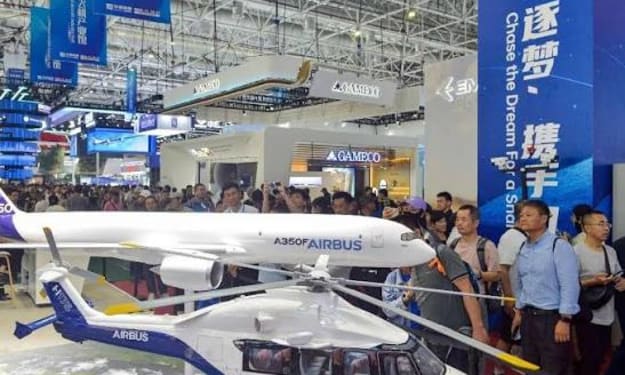
The global aviation industry may be on the verge of one of its most consequential aircraft deals in recent years. During a high-profile diplomatic visit to Beijing, German leader Friedrich Merz revealed that China is considering purchasing up to 120 aircraft from Airbus. The announcement underscores not only the strengthening economic ties between Europe and Asia but also signals a deeper shift in the global balance of aviation influence. The potential agreement, still under negotiation, highlights how aviation has become a strategic tool in international relations. It also reflects China’s growing need to modernize its expanding airline fleet while reinforcing Europe’s position in the competitive aircraft manufacturing sector. A Strategic Deal Beyond Aviation Aircraft orders of this magnitude are rarely just commercial transactions. Instead, they often carry broader diplomatic and economic implications. The proposed Airbus purchase illustrates the deepening economic cooperation between Germany and China, two of the world’s largest export-driven economies. For Germany, Airbus represents not only a major industrial success but also a symbol of European technological excellence. Supporting Airbus helps protect thousands of highly skilled jobs across Europe, including engineering, manufacturing, and supply chain roles. Merz’s announcement during his Beijing visit demonstrates Germany’s commitment to strengthening economic ties with China despite global geopolitical tensions. For China, the deal aligns with its long-term strategy to expand and modernize its aviation sector. As air travel demand continues to rise with the growth of the middle class, Chinese airlines require newer, more efficient aircraft to handle both domestic and international routes. Airbus Gains Ground in a Competitive Market The possible order of up to 120 aircraft represents a major victory for Airbus in its ongoing competition with its American rival, Boeing. For decades, Airbus and Boeing have dominated the global commercial aircraft market, with airlines around the world relying on their fleets. However, recent years have seen Airbus gain increasing market share, especially in Asia. The company’s single-aisle aircraft models, known for their fuel efficiency and reliability, have become particularly attractive to airlines seeking to reduce operating costs and meet environmental standards. China’s decision to potentially favor Airbus reflects both commercial and political considerations. Diversifying suppliers reduces dependence on any single country and strengthens China’s bargaining position in global trade relationships. This development also highlights Europe’s growing influence in sectors traditionally dominated by American manufacturers. Airbus, supported by governments across the European Union, has emerged as a strong competitor capable of securing massive international contracts. China’s Rapidly Expanding Aviation Market China’s aviation sector is one of the fastest-growing in the world. Before the pandemic, China was already on track to become the largest air travel market globally, surpassing the United States in passenger volume. This growth is driven by several factors: Rising incomes and increased affordability of air travel Expansion of domestic tourism Development of regional airports Growth in international business travel Chinese airlines are expanding routes across Asia, Europe, and Africa, requiring modern aircraft that offer efficiency, comfort, and lower emissions. President Xi Jinping has emphasized technological modernization and economic resilience as key national priorities. Aviation plays a central role in achieving these goals by connecting China more effectively to global markets. Europe Strengthens Its Economic Position The potential Airbus deal also carries major implications for Europe’s economic future. Aircraft manufacturing is one of the continent’s most valuable industrial sectors, generating billions in revenue and supporting hundreds of thousands of jobs. Germany plays a particularly important role in Airbus production, with major manufacturing facilities and research centers contributing to aircraft design and assembly. Airlines such as Lufthansa rely heavily on Airbus aircraft, reinforcing the company’s importance within the European aviation ecosystem. Airbus also maintains a strong presence in China itself, including assembly facilities in Tianjin. These facilities allow Airbus to build aircraft closer to customers while strengthening its relationship with Chinese partners. This localized production approach helps Airbus compete effectively while supporting China’s goal of developing its own aviation expertise. Political and Economic Balance in a Changing World The timing of the potential agreement is particularly significant. Global trade relationships are undergoing major changes, influenced by geopolitical tensions, supply chain disruptions, and shifting alliances. By deepening cooperation with Airbus, China signals its willingness to maintain strong economic ties with Europe even as global competition intensifies. Meanwhile, Germany’s support for Airbus reinforces Europe’s desire to remain an independent and influential economic force. This balance allows both sides to benefit economically while reducing reliance on any single partner. Environmental and Technological Implications Modern aircraft are significantly more fuel-efficient than older models, reducing emissions and operating costs. China’s investment in newer Airbus aircraft aligns with global efforts to make aviation more sustainable. Airbus has been investing heavily in next-generation aircraft technology, including lighter materials, advanced engines, and improved aerodynamics. These innovations help airlines reduce fuel consumption and meet increasingly strict environmental regulations. For China, adopting these aircraft supports its broader environmental goals while improving airline profitability. What This Means for the Future of Aviation The potential Airbus deal represents more than just a large aircraft order—it reflects a broader transformation in global aviation and economic power. Several key trends are emerging: Europe is strengthening its role as a major aviation supplier China is expanding its global aviation influence Aircraft manufacturing competition is intensifying Aviation is becoming increasingly linked to geopolitical strategy If finalized, the agreement could reshape industry dynamics and reinforce Airbus’s leadership in one of the world’s most important growth markets. Conclusion: A Deal with Global Impact China’s potential purchase of up to 120 Airbus aircraft marks a pivotal moment in international aviation and economic cooperation. The deal highlights the growing partnership between China and Europe while strengthening Airbus’s position as a global industry leader. Beyond its immediate commercial impact, the agreement signals broader shifts in geopolitical influence, industrial strategy, and technological development. As global air travel continues to expand, partnerships like this will play a critical role in shaping the future of aviation—and redefining the balance of economic power in the 21st century.
By Jameel Jamali7 days ago in Journal
Who is your "Person"?
It's important to recognize that you cannot go through life as easily on your own. My name is Elizabeth and I'm a survivor of child abuse and horrific trauma. Healing from trauma is not a quick fix and recognizing that it will take time, is part of the struggle.
By Elizabeth Woods2 days ago in Psyche


Comments
There are no comments for this story
Be the first to respond and start the conversation.