
Full Spectrum LED Lights vs Traditional Lighting
Full Spectrum LED Lights vs Traditional Lighting


When it comes to cultivating healthy, thriving plants, lighting plays a critical role. Whether you're growing vegetables, herbs, or ornamentals indoors, the right lighting system can significantly influence plant growth, yield, and efficiency. Two common lighting choices growers often debate are Full Spectrum LED Grow Lights and Traditional Lighting options like High-Pressure Sodium (HPS), Metal Halide (MH), and fluorescent lights.
This blog takes a close look at how Full Spectrum LED Grow Lights stack up against Traditional Lighting. We’ll break down key differences in performance, cost, energy usage, plant health, and lifespan—so you can decide what best suits your growing setup.
What Are Full Spectrum LED Grow Lights?
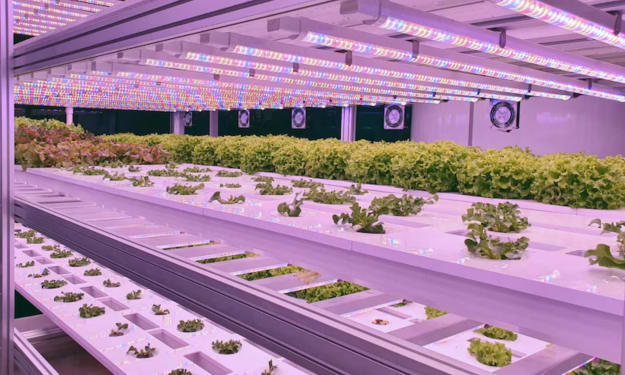
Full Spectrum LED Grow Lights are designed to mimic natural sunlight. These lights emit wavelengths across the entire spectrum—from ultraviolet (UV) to infrared (IR). This wide range supports every stage of plant growth: seedling, vegetative, and flowering.
Unlike older lighting systems that offer limited spectrum output, Full Spectrum LED Grow Lights aim to provide more consistent and uniform lighting for indoor plants. Brands like California LightWorks specialize in high-efficiency models that help growers maintain control over the growing environment without sacrificing quality.
What Is Considered Traditional Lighting?
Traditional Lighting refers to older, well-known systems such as:
- High-Pressure Sodium (HPS): Popular during flowering due to strong red/orange output.
- Metal Halide (MH): Often used during vegetative growth stages due to blue light spectrum.
- Fluorescent Tubes (T5, CFL): Frequently used for seedlings and cloning due to low heat and soft light.
While these technologies have served growers for decades, they do come with drawbacks, especially when compared to modern Full Spectrum LED Grow Lights.
Spectrum and Plant Growth
Light Quality and Spectrum Coverage
Plants rely on different parts of the light spectrum during various growth stages. Full Spectrum LED Grow Lights offer a broader range of usable wavelengths, making them suitable for all phases of plant development. This helps create healthier root systems, better leaf structure, and more vibrant flowers.
In contrast, Traditional Lighting systems often require switching between MH and HPS bulbs to meet changing plant needs. This not only increases costs but also complicates the growing process.
UV and IR Benefits
Certain models of Full Spectrum LED Grow Lights—such as those from California LightWorks—include supplemental UV and IR wavelengths. UV light helps with plant defense mechanisms, while IR supports flowering and bud development. These features are generally absent in most Traditional Lighting setups.
Energy Efficiency and Heat Output
Lower Energy Consumption
One of the most noticeable benefits of Full Spectrum LED Grow Lights is energy efficiency. LEDs consume significantly less power than Traditional Lighting, meaning you’ll see lower electricity bills over time.
For example, a 600W LED can often replace a 1000W HPS light with similar or better performance. Brands like California LightWorks have engineered their lights to provide optimal output with reduced energy draw, giving indoor growers more value per watt.
Minimal Heat Production
Another major difference is heat output. Traditional Lighting systems—especially HPS—generate a lot of heat, requiring additional cooling systems such as fans, ducting, and air conditioning.
In contrast, Full Spectrum LED Grow Lights produce far less heat. This reduces the need for extra ventilation and helps maintain a more stable grow room environment. Less heat also lowers the risk of burning plants or drying out the soil too quickly.
Initial Cost vs Long-Term Investment
Upfront Costs
Yes, Full Spectrum LED Grow Lights typically cost more initially than Traditional Lighting systems. But this is where it’s important to look beyond the sticker price.
Operating Costs and Durability
LEDs last significantly longer—usually between 50,000 and 100,000 hours—compared to HPS or MH bulbs that need replacement after 10,000 to 20,000 hours. Over time, the savings in replacement bulbs, cooling equipment, and electricity make Full Spectrum LED Grow Lights a more economical option.
With brands like California LightWorks, you're investing in reliability, efficient performance, and support—qualities that pay off over years of use.
Light Intensity and PAR Output
High PAR Efficiency
Photosynthetically Active Radiation (PAR) refers to the light wavelengths that plants use for photosynthesis. Full Spectrum LED Grow Lights generally offer higher PAR per watt, which means more usable light reaches your plants without unnecessary energy waste.
Traditional Lighting may offer high-intensity output, but much of it isn’t in the optimal PAR range. This leads to inefficiencies, meaning you spend more energy producing light that plants can’t fully use.
Control and Customization
Smart Control Features
Modern Full Spectrum LED Grow Lights come with programmable settings, dimmable features, and even app controls. This allows growers to simulate sunrise, sunset, and adjust intensity during different phases of plant growth.
In contrast, Traditional Lighting systems usually lack any real customization. You're often limited to turning them on or off or physically swapping out bulbs.
With California LightWorks, many models offer digital control systems that allow for tailored grow cycles, making your job easier and your results more consistent.
Safety and Environmental Impact
Eco-Friendly Options
Full Spectrum LED Grow Lights are more environmentally responsible than Traditional Lighting. They contain no hazardous materials like mercury (often found in fluorescents), and their low power consumption reduces your overall carbon footprint.
Safer for Indoor Use
The lower heat output also makes LEDs safer to operate in tight indoor grow spaces, reducing the risk of overheating, fire hazards, or damage to plants from excessive heat.
Maintenance and Longevity
Lower Maintenance Requirements
With Full Spectrum LED Grow Lights, you won’t be replacing bulbs frequently or checking for degraded reflectors. Maintenance is minimal, freeing up time to focus on actual plant care.
Traditional Lighting, on the other hand, often requires routine bulb changes and reflector cleaning to maintain performance. These tasks add up in cost and labor over the life of the grow.
Yield and Quality of Crops
Higher Yields and Better Quality
Many growers report improved yields and higher-quality harvests when switching to Full Spectrum LED Grow Lights. With uniform light distribution, better spectrum availability, and reduced stress on plants, the final product often shows improved taste, aroma, and nutrient content.
While Traditional Lighting can still produce solid results, it tends to lag in consistency and overall plant health over the long term—especially when temperature management is a concern.
Use Cases for Each Lighting Type
When to Choose Full Spectrum LED Grow Lights
- Indoor gardens with space limitations
- Growers seeking long-term savings
- Advanced setups needing automation and control
- Warm climates where heat is already an issue
When to Choose Traditional Lighting
- Larger commercial facilities already optimized for HPS/MH
- Growers with a limited upfront budget
- Short-term or single-cycle projects
However, more and more growers are shifting toward Full Spectrum LED Grow Lights as the long-term advantages become increasingly clear.
FAQ
Are Full Spectrum LED Grow Lights worth the higher upfront cost?
Yes, when you account for lower electricity bills, reduced heat management costs, and less frequent replacement, they offer better value over time.
Can I use Full Spectrum LED Grow Lights for all stages of plant growth?
Absolutely. These lights are designed to support seedlings, vegetative growth, and flowering—all with one unit.
Do Full Spectrum LEDs produce enough intensity compared to Traditional Lighting?
Yes, especially when properly installed. They offer efficient PAR output with minimal waste, supporting healthy and vigorous plant growth.
Are there any risks associated with LED lighting?
Not particularly. Just avoid placing them too close to plants, as concentrated light can still cause bleaching. Brands like California LightWorks offer guidelines for optimal hanging height.
Conclusion
When comparing Full-Spectrum LED Grow Lights with Traditional Lighting, modern LED systems offer a more efficient, user-friendly, and long-term solution for indoor growers. With better spectrum coverage, energy savings, and smart controls, LEDs are reshaping how plants are grown indoors.
While Traditional Lighting still has its place in some setups, the growing benefits of LEDs are hard to overlook. From lower operating costs to improved plant health and reduced environmental impact, the case for switching is strong.
For growers looking to invest in high-quality LED solutions, California LightWorks remains a standout choice—offering durability, efficiency, and the power to support your garden for years to come.
About the Creator
California LightWorks
Illuminate your indoor crops with California LightWorks, the premier choice for the best LED grow lights. Experience optimal growth and maximum yields with our cutting-edge LED technology.
Keep reading
More stories from California LightWorks and writers in Journal and other communities.
How Commercial LED Grow Lights Improve Yields
Introduction Indoor farming has evolved significantly with advancements in lighting technology. Traditional lighting methods like high-pressure sodium (HPS) and fluorescent lights have been used for decades, but modern commercial LED grow lights have redefined how growers achieve higher yields. With better energy efficiency, precise light spectrum control, and improved durability, these lighting solutions are becoming the preferred choice for professional growers.
By California LightWorks10 months ago in Journal
Number of US-Style ‘Battering Ram’ Pickup Trucks on UK Roads Nearly Doubles in a Decade
The Rising Trend of Pickup Trucks in the UK In the last ten years, the number of US-style pickup trucks on UK roads has almost doubled, according to recent transport reports. These vehicles, often referred to by enthusiasts and critics as “battering rams” due to their size, high front bumpers, and heavy construction, are becoming increasingly common in both urban and rural settings.
By Aarif Lashari4 days ago in Journal


Comments
There are no comments for this story
Be the first to respond and start the conversation.