
From DJ Khaled to Bella Hadid: Why Some Celebrities Speak Up for Palestine and Others Stay Silent
Both DJ Khaled and Bella Hadid has Palestinian origin but they act very differently for Gaza

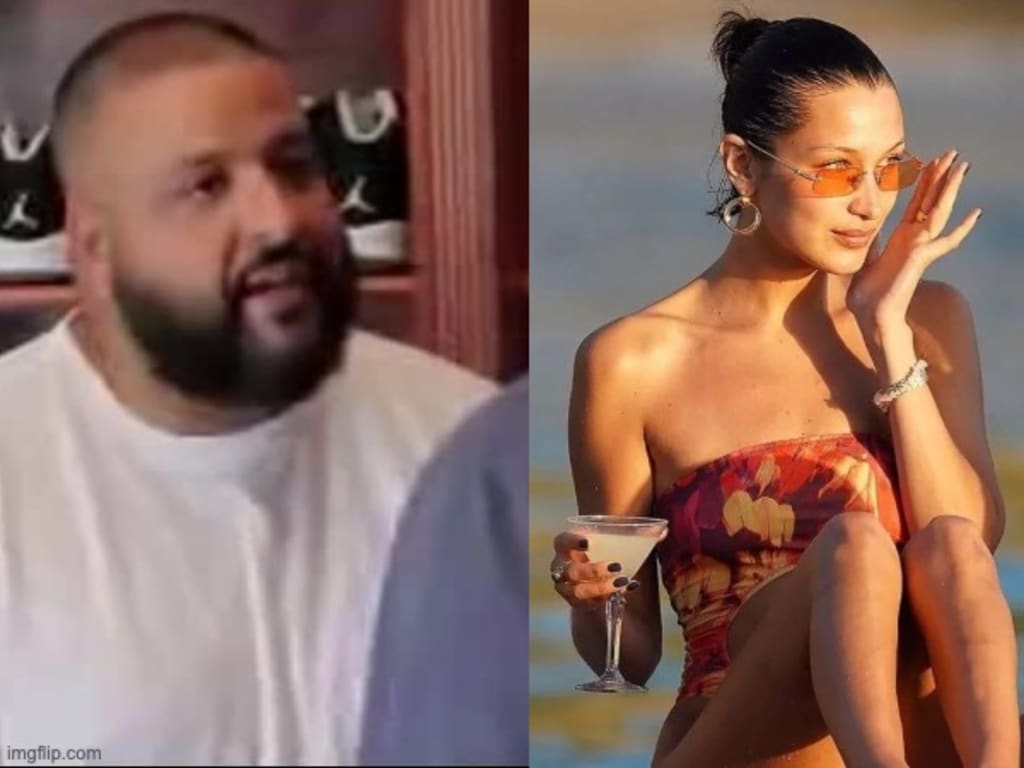
In the age of Instagram activism and viral hashtags, silence can be louder than words. When global crises unfold, fans often look to celebrities not just for entertainment, but for leadership, solidarity, and empathy. Nowhere is this more apparent than in conversations about Palestine. Some celebrities—like Bella Hadid—have risked their careers and reputations to speak boldly for Palestinian rights. Others, like DJ Khaled, with deep cultural ties to the region, remain silent, and that silence speaks volumes.
So why do some celebrities step forward, while others hide behind carefully curated neutrality? The answer lies in a mix of personal identity, financial risk, and the pressures of Hollywood’s PR machinery.
Bella Hadid: The Face of Courage in Fashion
Bella Hadid, one of the most famous models in the world, has become an unexpected leader in raising awareness for Palestine. As the daughter of Palestinian real estate mogul Mohamed Hadid, Bella has used her platform to amplify the struggles of her father’s homeland.
She has attended marches, posted detailed infographics, and unapologetically declared: “I stand with Palestine.” That kind of bravery is rare in the fashion industry, where silence is often encouraged to maintain brand deals. Major corporations are notoriously risk-averse, and public support for Palestine is often painted as “controversial.”
Bella has paid a price. She revealed in interviews that speaking up has cost her modeling contracts and professional opportunities. Yet she continues, framing her activism as a matter of human rights, not politics. That persistence has turned her into an icon for Palestinian solidarity worldwide.
DJ Khaled: The Sound of Silence
Then there’s DJ Khaled—one of the most visible Arab-American entertainers, with millions of followers and a brand built around cultural pride. Born to Palestinian parents, Khaled often references his heritage in interviews. He celebrates Middle Eastern culture through his music videos, aesthetic choices, and even his catchphrases that draw on Arabic expressions.
But when it comes to Palestine itself, Khaled is silent. His Instagram, with over 30 million followers, features luxury cars, motivational slogans, and family moments—but not a word about the ongoing occupation, displacement, or humanitarian crises in Gaza and the West Bank.
The silence feels strategic. Khaled is deeply tied to corporate sponsorships and music industry networks that may see pro-Palestinian advocacy as a liability. His brand is built on positivity, inclusivity, and broad appeal; taking a stance could risk alienating partners or audiences. Yet for fans, the silence feels like betrayal—especially when his cultural identity is so visible in his work.
Why Celebrities Stay Silent
DJ Khaled isn’t alone. Many celebrities—actors, athletes, musicians—avoid Palestine altogether. This silence is not always indifference; often, it’s about industry pressure.
Fear of Career Backlash
Hollywood, fashion, and music are global industries with deep financial ties to corporations that prefer neutrality. Publicly supporting Palestine can mean losing sponsorships, gigs, or brand deals.
PR Coaching
Celebrity teams—agents, publicists, managers—often coach stars to avoid “polarizing issues.” Palestine, despite being a human rights issue, is framed as too controversial for mainstream American audiences.
Misinformation and Ignorance
Some celebrities simply don’t know enough. Palestine is often misrepresented in U.S. media, and stars may fear making missteps if they speak out without deep understanding.
Fear of Being Labeled
Celebrities risk being smeared with accusations of antisemitism if they speak up for Palestinian rights. This creates a chilling effect where silence feels safer than clarity.
Why Others Speak Up Anyway
On the flip side, Bella Hadid isn’t alone either. Other celebrities—Riz Ahmed, The Weeknd, Gigi Hadid, and Susan Sarandon among them—have shown solidarity with Palestinians.
These figures often act from a sense of moral urgency, framing the issue as one of justice, not politics. They use their platforms to amplify voices from Palestine, highlight humanitarian crises, and challenge the narrative that silence equals neutrality.
When stars do speak, the impact is massive. A single Instagram post from Bella Hadid reaches more people than most mainstream news outlets. For young fans, celebrities often serve as their first introduction to the realities of Palestine.
The Hypocrisy of Selective Activism
The silence of certain celebrities becomes more glaring when compared to their activism elsewhere. Many are quick to speak out on issues like Black Lives Matter, climate change, or women’s rights, but fall silent when it comes to Palestine.
This selective activism reveals an uncomfortable truth: speaking out for Palestine is often treated as a career-threatening exception. Yet, to many fans, silence feels like complicity. If a celebrity can use their voice for justice in one context, why not for Palestine too?
Fans Are Watching
In 2023 and 2024, social media has changed the rules. Fans are no longer passive; they hold celebrities accountable for their silence. Viral hashtags, Twitter threads, and TikTok videos now call out hypocrisy in real time.
DJ Khaled, for instance, faces regular criticism online. His posts about lavish vacations and motivational soundbites draw comments demanding he address his Palestinian roots. The pressure is unlikely to disappear, and fans are becoming sharper at spotting the gap between branding and integrity.
Silence Is a Choice
At the end of the day, silence is not neutrality—it’s a choice. When celebrities with massive influence avoid speaking up, they reinforce the status quo. And when others risk their careers to advocate for Palestine, they show that it is possible to prioritize justice over profit.
From DJ Khaled’s silence to Bella Hadid’s courage, the contrast is striking. One shows how fear and branding can silence even the most culturally connected voices. The other proves that speaking up, no matter the cost, can shift global conversations.
For fans, the lesson is clear: celebrity silence should no longer be excused. In the age of social media, stars profit from their platforms. Using those platforms to highlight injustice is not just an option—it’s a responsibility.
About the Creator
Keep reading
More stories from Herald Post Mail and writers in Journal and other communities.
Alexandria Ocasio-Cortez is not against Israel, that's why She is not a real populist
Alexandria Ocasio-Cortez (AOC) is often seen as the face of the U.S. progressive movement. Rising to fame after her upset 2018 primary victory against a powerful Democratic incumbent, she has consistently pushed the party leftward on climate change, healthcare, and economic inequality. Yet on the issue of Israel and Palestine, her record is riddled with contradictions.
By Herald Post Mail5 months ago in Journal
Center Stage with Paul Stewart
*** I'm keen to republish the interviews I did for my series with Vocal creators. It's been a few years and I thought it might be nice to revisit these wonderful conversations. I'll be releasing them one at a time for a few weeks/months.
By Heather Hubler5 days ago in Interview


Comments
There are no comments for this story
Be the first to respond and start the conversation.