
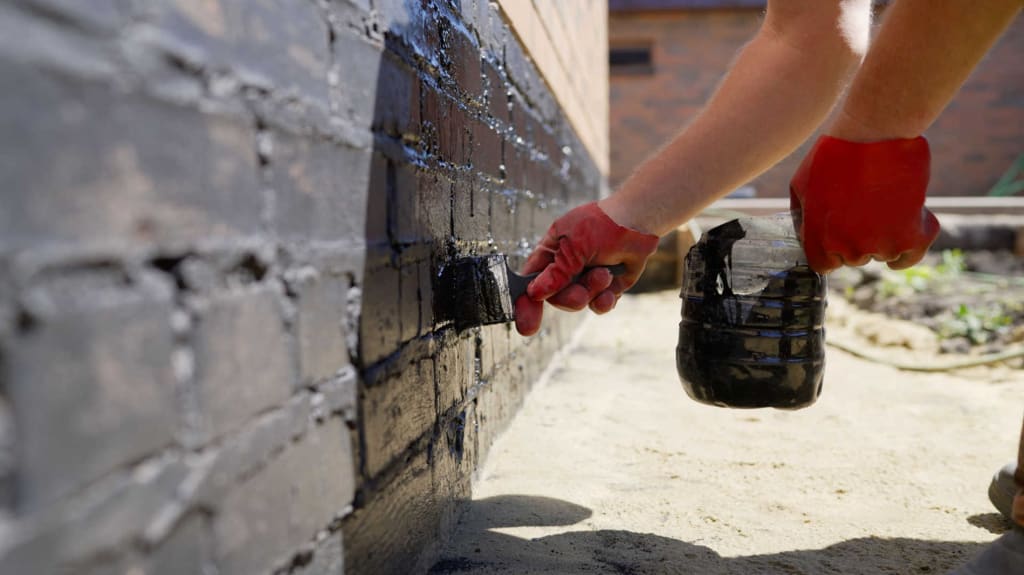
Underpinning is an ideal solution to fix a weakened or deteriorating building foundation. Underpinning is one of the most efficient modern repair methods foundation specialists use. It can strengthen the foundation of a building to accommodate for bigger and heavier structural upgrades.
This article discusses underpinning and the benefits of this foundation repair method. We'll also learn how this technique can contribute to an old or new building's stability and longevity.
Understanding Underpinning
Underpinning is a process of creating additional support for an existing building foundation. The method allows the structure to go deeper into the ground to prevent damage due to changes in the soil or terrain, structural modifications, and other external factors.
How does underpinning work?
A local foundation specialist first assesses a problematic foundation and determines if underpinning can solve the issue. Once verified, the contractor excavates the area and installs the additional support underneath the old or failing foundation.
There are different underpinning methods that specialists can implement. These include mass concrete, steel piles, and beam and base underpinning.
Regardless of the technique, the newly installed support needs time to cure for several weeks, followed by testing to ensure the quality and safety of the project.
Finally, the foundation contractor uses soil and other hard-fill materials to backfill and restore the site to its original state.
Hiring Underpinning Foundation Specialists
Now that you understand how underpinning works, you might wonder if this foundation repair method is for you. When does a foundation repair solution like this become necessary?
Here are some indicators you need to hire an underpinning specialist.
You see cracks everywhere.
Cracks in your home's foundation, walls, ceiling, and flooring can be signs of soil settlement or movement under the ground. Another possibility is that your home is old and requires a foundation enhancement.
Your flooring is uneven and bouncy.
Unstable flooring shown by sinking, sloping, and sagging surfaces are signs of a faulty foundation. Underpinning can bring back the stability and structural integrity of your building and extend your foundation's lifespan for years.
Your doors and windows are jammed and misaligned.
Jammed windows and doors are signs of shifts and settlement in the ground. Redoing and adding a layer of support underneath your old foundation can rectify these issues and prevent further problems in the future.
Your building will undergo a major structural change.
Underpinning is a pre-emptive measure that can be used before making a major structural upgrade. These upgrades may include removing load-bearing walls, adding more levels, and implementing changes that could affect the building's load distribution and overall stability.
Enjoying the Benefits of Underpinning
Along with understanding how underpinning works and when you need this repair solution the most, you must appreciate its benefits.
There may be other foundation repair methods out there. However, investing in underpinning services delivers short-term and long-term results.
For starters, underpinning strengthens your foundation to accommodate more functional and stylish upgrades to your property. It also revives the structural integrity of an old building and can strengthen its value in the real estate market.
Most importantly, the technique's versatility allows it to work with varying foundation types and site terrains. It's a modern repair method that addresses old and new foundation problems without breaking the bank.
However, you can only enjoy these benefits if you hire the best foundation repair specialist in NZ. Choose well!
About the Creator
Keep reading
More stories from Darah Albesa and writers in Journal and other communities.
The Importance of PR Outreach in Business
The Importance of PR Outreach in Business With the proper press coverage, your business can reach the right audience. PR Outreach is a marketing practice that involves reaching out to journalists and publications to build coverage for your business. Although it was once performed through email, the prevalence of social media has allowed for new methods to arise.
By Darah Albesa3 years ago in Journal
The goals I did not achieve
Every writing goal I made for the year is a wash. It has been this way for a while, but I think it's important to be open about my failures and the reality of how life can get in the way. This is especially true considering the several times I have posted on Vocal about my writing goals, how I was changing my approach, and where I was hoping to be for the upcoming year. I will probably do that again in a couple months, but for now, it is time to acknowledge where I am today.
By Kay Husnick23 days ago in Journal
Cultivating Inner Peace: Simple Ways to Boost Your Spiritual Growth at Home.
In today's fast-paced world, it's easy to become consumed by the demands of work, family, and social obligations. We often prioritize external achievements, leaving little room for nurturing our inner selves. Yet, cultivating our spiritual growth is crucial for finding lasting peace, purpose, and connection. Fortunately, you don't need to climb a mountain or join a monastery to embark on a spiritual journey. You can cultivate a vibrant spiritual life right in the comfort of your own home.
By Wilson Igbasi2 days ago in Journal
Ludacris and Nelly draw backlash over bookings at MAGA-coded music festival
Ludacris and Nelly headlining a mostly right-wing event is good for them. It’s also great for the genre of hip hop. The two rap veterans have showcased their talents on other stages. Why can’t they perform for mostly MAGA folks and grab that bag?
By Skyler Saunders4 days ago in Beat




Comments
There are no comments for this story
Be the first to respond and start the conversation.