
Fire Safety Compliance: Ensuring a Secure Environment and Regulatory Adherence
Fire Safety Compliance

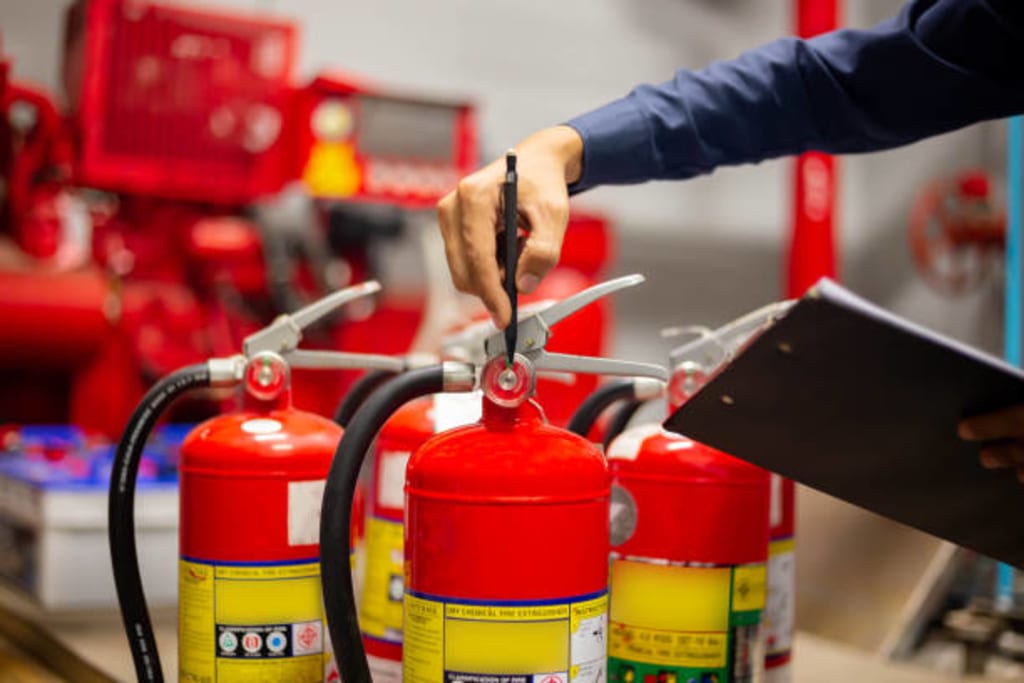
Fire safety compliance is a critical aspect of creating safe environments in residential, commercial, and industrial spaces. Not only does it ensure the protection of people, property, and assets, but it also ensures adherence to legal and regulatory standards. Non-compliance with fire safety regulations can result in severe consequences, including hefty fines, loss of business licenses, and, most tragically, loss of life. This article explores the importance of fire safety compliance, key regulations, and strategies to maintain a secure environment while staying within legal boundaries.
Importance of Fire Safety Compliance
1. Protecting Lives
The foremost reason for fire safety compliance is the protection of human life. Fires can spread rapidly, causing injuries or fatalities. Adhering to fire safety regulations reduces risks and ensures that people in buildings can evacuate safely in the event of a fire.
2. Preserving Property and Assets
Fires can cause extensive damage to property, often leading to financial loss and business interruptions. Compliance measures such as installing fire-resistant materials, fire alarms, and sprinkler systems mitigate potential damages.
3. Legal Responsibility
Building owners, landlords, and employers have a legal responsibility to ensure fire safety compliance. Failing to comply can result in prosecution, fines, or lawsuits in the event of an incident.
4. Maintaining Business Reputation
A company known for neglecting fire safety measures can suffer reputational damage. Compliance not only protects a business’s physical premises but also enhances its reputation as a responsible entity.
Key Fire Safety Regulations
Different regions have specific fire safety regulations, but the following guidelines are commonly applicable:
1. Fire Risk Assessments
A fire risk assessment is a legal requirement in many countries, including the UK, under the Regulatory Reform (Fire Safety) Order 2005. It involves identifying fire hazards, assessing the risks, and implementing measures to minimize them.
2. Fire Alarms and Detection Systems
Fire detection systems, including smoke alarms, must be installed in accordance with legal standards. Regular testing and maintenance ensure these systems are operational when needed.
3. Emergency Exits and Escape Routes
Buildings must have clearly marked and unobstructed emergency exits and escape routes. These routes should be easily accessible and lead to a safe assembly point.
4. Fire Extinguishers
Appropriate fire extinguishers must be provided in easily accessible locations, and staff should be trained in their use. The type and number of extinguishers depend on the nature of the premises and the potential fire risks.
5. Sprinkler Systems
Sprinkler systems are essential for controlling fires, especially in large buildings or high-risk environments. These systems must comply with national or local standards.
6. Staff Training
Employers must provide fire safety training to employees, including evacuation procedures and the use of fire-fighting equipment. Regular drills should be conducted to reinforce these practices.
7. Signage and Notices
Fire safety signs, such as those indicating escape routes, fire assembly points, and fire extinguisher locations, must comply with health and safety regulations.
Steps to Ensure Fire Safety Compliance
Achieving and maintaining fire safety compliance requires a proactive approach. Here’s a step-by-step guide to help organizations meet their obligations:
1. Conduct a Fire Risk Assessment
Engage a competent professional or a qualified fire safety officer to perform a comprehensive risk assessment. The assessment should include identifying potential fire hazards, evaluating risks to people, and recommending safety measures.
2. Develop a Fire Safety Plan
Create a detailed fire safety plan that outlines evacuation procedures, the location of fire-fighting equipment, and the roles and responsibilities of staff during an emergency.
3. Implement Fire Safety Measures
Install fire alarms, sprinklers, and extinguishers as recommended in the fire risk assessment. Ensure emergency exits and escape routes are unobstructed and clearly marked.
4. Provide Training
Educate employees on fire safety protocols. Training should cover evacuation procedures, the proper use of extinguishers, and recognizing fire hazards.
5. Regular Maintenance
Schedule regular inspections and maintenance of fire safety equipment, such as alarms, extinguishers, and sprinkler systems. Ensure escape routes are checked periodically to avoid obstructions.
6. Conduct Drills
Fire drills are essential for preparing occupants to respond effectively in an emergency. Conduct drills at least once a year and review the outcomes to identify areas for improvement.
7. Stay Updated on Regulations
Fire safety regulations are subject to updates. Regularly review changes in legislation and adjust your compliance measures accordingly.
8. Engage Professionals
Fire safety consultants or compliance experts can help ensure that your building meets all legal requirements. They can also assist in implementing best practices tailored to your specific environment.
Challenges in Achieving Fire Safety Compliance
Despite its importance, fire safety compliance can be challenging to maintain. Common obstacles include:
1. Lack of Awareness
Building owners and employers may not fully understand their legal obligations or the potential risks of non-compliance.
2. Cost of Implementation
Installing and maintaining fire safety equipment can be expensive, particularly for small businesses. However, the cost of non-compliance or fire-related incidents often outweighs these investments.
3. Neglected Maintenance
Over time, fire safety measures can become outdated or fall into disrepair. Neglecting routine maintenance can lead to non-compliance.
4. Complex Building Layouts
Large or complex buildings may require additional measures to ensure compliance, such as multiple escape routes or advanced detection systems.
5. Human Error
Improper use of fire-fighting equipment, lack of adherence to evacuation procedures, or failure to report hazards can undermine compliance efforts.
Benefits of Fire Safety Compliance
Adhering to fire safety regulations offers numerous benefits beyond fulfilling legal requirements. These include:
Peace of Mind: Knowing your environment is safe provides peace of mind to occupants and stakeholders.
Financial Security: Minimizing fire-related risks reduces potential losses and liability costs.
Enhanced Productivity: Employees feel safer in a compliant workplace, which can boost morale and productivity.
Sustainability Goals: Fire-resistant materials and systems often align with eco-friendly practices, contributing to sustainability goals.
Fire Safety Compliance in the Digital Era
The integration of technology has revolutionized fire safety compliance. Smart systems and IoT devices can monitor fire risks in real-time, providing alerts and automating responses. For example:
Smoke Detectors with IoT: Smart detectors send notifications to building managers, ensuring quick responses to potential fires.
Automated Maintenance Alerts: Fire safety systems now feature automated reminders for inspections and maintenance.
Data Analytics: Advanced analytics can predict fire risks based on historical data and environmental factors.
These innovations make compliance more efficient and reduce the likelihood of oversight.
Conclusion
Fire safety compliance is not just a legal requirement—it is a moral obligation that protects lives, property, and businesses. By conducting thorough risk assessments, implementing safety measures, and staying updated on regulations, organizations can create secure environments for everyone. Although challenges exist, the benefits far outweigh the costs, ensuring a safer and more responsible future.
Investing in fire safety compliance today means protecting the people and places that matter most tomorrow. Whether you're a homeowner, business owner, or landlord, embracing a proactive approach to fire safety is a commitment to safety and resilience.
About the Creator
Office Compliance Management
Office compliance management offers you a complete solution of compliance services under one roof at affordable prices. Some of our services include Fire Compliance, Electrical Compliance, Health & Safety Compliance
Keep reading
More stories from Office Compliance Management and writers in Journal and other communities.
The Role of Compliance Management Services in Ensuring Workplace Safety
Workplace safety is a cornerstone of successful businesses, fostering not only the well-being of employees but also the operational efficiency and reputation of organisations. In today’s complex regulatory environment, ensuring compliance with workplace safety standards can be a daunting task. This is where compliance management services play a vital role. By offering expert guidance and solutions, these services help businesses navigate the labyrinth of regulations, mitigate risks, and maintain a safe and legally compliant workplace.
By Office Compliance Managementabout a year ago in Journal
When You Want to Pray but Do Not Know What to Say
One of the quiet struggles many people experience in their faith is not doubt, but silence. Not God’s silence, but our own. There are moments when we sit down to pray and realize we have no words. No polished thoughts. No clear requests. Just a sense of heaviness, confusion, or fatigue. It can feel like prayer requires language we do not possess.
By Sound and Spirit5 days ago in Journal
How, Too
Many people wonder how, too. You are not alone, and I am an expert. I will teach you how, too! First, you need to remit a small application fee and fill out an application describing the nature of your financial situation and how often payments will be made, as this will have great bearing on how well I teach you how, too.
By Harper Lewis5 days ago in Fiction




Comments
There are no comments for this story
Be the first to respond and start the conversation.