
Fire-Resistant and Explosion-Proof Overhead Cranes for Hazardous Areas
Ensuring Safety and Reliability in High-Risk Industrial Environments
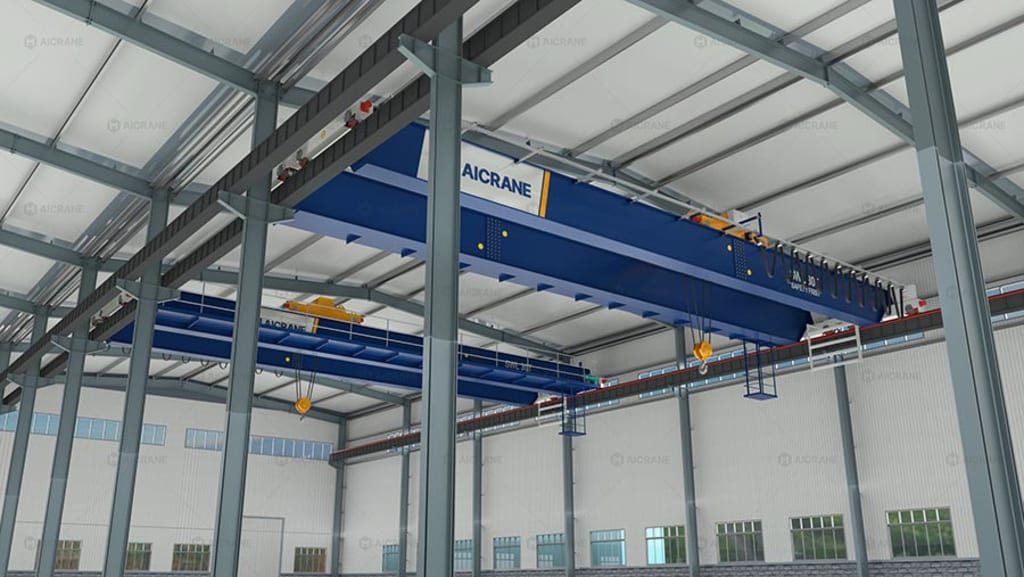
Overhead cranes are indispensable in modern industrial operations, enabling the efficient and safe movement of heavy materials in factories, warehouses, and ports. However, when operating in hazardous areas where flammable gases, vapors, combustible dust, or high temperatures are present, standard overhead cranes cannot provide the necessary safety or reliability. Fire-resistant and explosion-proof overhead cranes are specifically designed to address these challenges, ensuring safe operations in extreme and potentially dangerous environments.
Understanding Hazardous Areas
Hazardous areas, also referred to as classified areas, are industrial environments where the presence of explosive gases, vapors, liquids, or combustible dust creates a significant risk of fire or explosion. Such areas are commonly found in chemical plants, oil refineries, gas processing facilities, pharmaceutical manufacturing, grain storage, metal processing plants, and other heavy industries.
These areas are typically classified according to the type and frequency of hazardous substances present. International standards, such as ATEX (Europe) and NEC/CEC (North America), define zones to guide equipment selection:
Zone 0/Division 1: Continuous or frequent presence of explosive atmospheres.
Zone 1/Division 2: Occasional presence of hazardous materials during normal operations.
Zone 2: Rare or accidental presence of hazardous substances.
Overhead cranes used in these areas must comply with strict design and operational requirements to prevent ignition sources and maintain performance in harsh conditions.
Design Principles of Fire-Resistant and Explosion-Proof Cranes
Explosion-Proof Electrical Components
The core of an explosion proof overhead crane is its electrical system. Standard motors, switches, and control panels are replaced with explosion-proof variants, which are sealed and reinforced to contain any sparks or arcs that could ignite the surrounding atmosphere. Components are typically certified under ATEX, IECEx, or UL standards, ensuring compliance with local regulations.
Motors are housed in enclosures that withstand internal explosions and prevent the spread of flames. Junction boxes, push buttons, and limit switches are designed with flameproof construction, preventing sparks from escaping into the environment. Additionally, wiring is carefully routed with protective conduits to avoid mechanical damage.
Fire-Resistant Materials and Coatings
Fire-resistant cranes incorporate materials that can withstand high temperatures and flames without losing structural integrity. Steel components are often treated with heat-resistant coatings, while insulation materials are selected for their non-combustible properties. Critical parts such as hoist ropes, load chains, and trolleys may be made of heat-treated or coated alloys to maintain strength during fire exposure.
Mechanical Safety Features
Beyond electrical safety, explosion-proof cranes are engineered with mechanical features to mitigate risk. For example, brake systems are designed to operate reliably in high temperatures, and load limiters prevent overloading under extreme conditions. Some cranes include fail-safe mechanisms that automatically stop the hoist or trolley in case of abnormal operation, preventing accidents in hazardous areas.
Control Systems
Fire-resistant and explosion-proof cranes may use pendant control, cabin operation, or remote control systems, but each control interface must meet explosion-proof specifications. Remote and wireless controls are increasingly popular, as they allow operators to maintain a safe distance from hazardous zones while ensuring precise crane movement.
Applications of Fire-Resistant and Explosion-Proof Cranes
Chemical and Petrochemical Industry
Chemical plants and refineries handle flammable liquids and gases, including solvents, fuels, and reactive chemicals. Explosion-proof overhead cranes are essential for moving drums, tanks, and heavy processing equipment safely without creating ignition sources.
Pharmaceutical Manufacturing
In pharmaceutical facilities, controlled atmospheres may contain fine powders that are combustible in concentrated forms. Explosion-proof cranes allow the safe transfer of chemical powders, active pharmaceutical ingredients, and production equipment.
Grain and Food Processing Plants
Grain silos, flour mills, and sugar processing plants are highly susceptible to dust explosions. Overhead cranes equipped with fire-resistant and explosion-proof features prevent ignition while handling bulk materials or maintenance equipment.
Metal Processing Facilities
Industries such as aluminum smelting or steel production generate metal dust, which can be highly combustible. Fire-resistant cranes maintain operations under elevated temperatures and prevent sparks from electrical components.
Oil and Gas Platforms
Offshore drilling and onshore gas plants often operate in confined areas with flammable hydrocarbons. Explosion-proof cranes ensure that lifting operations, including the movement of heavy pipes and machinery, are conducted safely under extreme conditions.
Standards and Certification
For cranes to be considered fire-resistant or explosion-proof, they must meet specific international and regional standards:
ATEX Directive (Europe): Equipment intended for explosive atmospheres must comply with ATEX 2014/34/EU. Cranes are classified according to Zone 1, 2, or 0 applications.
IECEx Certification: An international standard ensuring electrical and mechanical components meet global explosion-proof criteria.
NFPA and NEC (USA): Standards such as NFPA 70 (National Electrical Code) and UL Listings define explosion-proof requirements for electrical and mechanical equipment.
These certifications are crucial not only for safety but also for regulatory compliance, insurance, and operational reliability.
Maintenance Considerations
Fire-resistant and explosion-proof cranes require rigorous maintenance to retain their protective properties. Key practices include:
Regular inspection of explosion-proof enclosures for cracks or corrosion.
Checking control systems and limit switches to ensure they operate correctly.
Lubrication of mechanical parts with fire-resistant oils.
Periodic testing of hoists and brakes under load conditions.
Verification of certification labels and compliance with updated safety standards.
Proper maintenance not only extends crane lifespan but also ensures continued safety in hazardous environments.
Benefits of Fire-Resistant and Explosion-Proof Cranes
Enhanced Safety: By preventing sparks, arcs, or mechanical failures, these cranes drastically reduce the risk of fires or explosions.
Regulatory Compliance: Meeting ATEX, IECEx, or NEC standards ensures legal operation and adherence to industrial safety regulations.
Operational Reliability: Designed to withstand high temperatures and harsh conditions, these cranes maintain continuous operation in environments where standard cranes would fail.
Versatility: Suitable for a wide range of industries, these overhead bridge cranes can handle heavy loads, specialized equipment, and flammable materials with confidence.
Conclusion
Fire-resistant and explosion-proof overhead cranes are essential for industries that operate in hazardous areas. By integrating explosion-proof electrical components, fire-resistant materials, and mechanical safety systems, these cranes offer unparalleled safety, reliability, and compliance. From chemical plants and grain processing facilities to offshore oil platforms, they protect both personnel and assets, enabling industrial operations to continue safely under extreme conditions. Selecting the right crane for hazardous areas involves careful consideration of environmental conditions, load requirements, and compliance standards, ensuring that industrial operations are both efficient and safe.
About the Creator
Aicrane01
Welcome to the Aicrane Blog, your practical guide to lifting solutions. Discover articles covering overhead cranes, gantry cranes, winches, steel structures, boat lifts, and more.
Website: https://steelmillcranes.com/
~ Fired ~
— Ai Intrusion ~ Are you Next ~ Is Ai Evolution after your job? — Few workplaces haven't been affected. Ai is in supermarkets, at doctors' offices, and even monitoring farms. I just can't think of anything this machine is not getting into, can you? For instance: Education ~ Law and Tech jobs will one day have a major influence or be taken over by these inanimate machines, with accuracy and vigor. From mechanics' diagnoses to a wide variety of everyday jobs, including fast food workers, with this input having the ability to cut their unnecessary work hours. I'm certain all of us have been touched by this with our short stories and colorful headings, have you? Even comments are very questionable 'Non-Robot' insertions.
By Jay Kantor3 days ago in Journal
The Devil's Triangle
The sails ruffled in the breeze as we cruised along. The Sea Breeze was a mid-size catamaran that sailed out of Royal Naval Dockyard in Bermuda. We had booked this trip weeks in advance and were now looking at our Captain, Spike and two boat hands. Paddy and Wilson seemed like nice guys, joking around with the passengers and telling us some stories about Bermuda that only locals would know. Their island accents sounded almost British but they were pleasant to listen to.
By Barbara Gode Wilesabout 13 hours ago in Fiction


Comments
There are no comments for this story
Be the first to respond and start the conversation.