
Feedback and Improvement Mechanisms
Building Lasting Satisfaction in the Amusement Industry


In the modern leisure industry, customer satisfaction has evolved into a multidimensional performance metric that influences reputation, revenue, and operational excellence. Beyond immediate enjoyment, satisfaction reflects the visitor’s overall emotional and functional experience—from the moment they purchase a ticket to their post-visit reflections. Establishing an effective feedback and improvement mechanism is, therefore, not a supplementary process but a structural necessity.
The Strategic Importance of Feedback Systems
Feedback is no longer a passive collection of opinions; it functions as a diagnostic tool for continuous improvement. In amusement environments where both emotional engagement and mechanical safety coexist, even minor inconsistencies can distort customer perception. Structured feedback channels enable operators to pinpoint weak links in the visitor journey and respond with agility.
Amusement operators who invest in real-time feedback mechanisms—such as interactive kiosks, QR-based surveys, and mobile applications—gain direct insight into evolving visitor expectations. For manufacturers of commercial soft play equipment and amusement facilities, this data becomes a design compass, guiding the refinement of ergonomics, visual appeal, and safety integration.

The collection process itself must be frictionless. Visitors are more inclined to provide useful information when prompted during high-emotion moments, such as after completing a ride or exiting a themed area. Integrating behavioral analytics with traditional feedback surveys enhances accuracy, creating a holistic picture of both expressed and unspoken satisfaction.
Quantitative and Qualitative Data Synergy
A robust feedback mechanism requires a balance between quantitative metrics and qualitative interpretation. While numerical ratings and frequency data establish measurable benchmarks, narrative responses capture the nuance of emotional experience.
In the amusement sector, quantifiable data points—waiting times, maintenance intervals, ride uptime, and amusement park equipment prices—provide operational clarity. They reveal patterns that can predict customer dissatisfaction before it becomes visible. Yet numbers alone cannot explain why a child prefers one play module over another or why families return to a specific venue despite higher ticket costs.

Qualitative insights extracted from open-ended comments, interviews, or observational studies reveal underlying motivations. For example, guests might value perceived cleanliness, courteous staff, or sensory design over the number of rides available. When these insights are systematically categorized, they inform every stage of business strategy, from procurement to customer relationship management.
Closing the Feedback Loop
Collecting feedback without acting on it creates a void of trust. The closing loop—the process of acknowledging, addressing, and communicating change—is the most critical phase of the mechanism. It transforms passive data into active improvement.
An effective system employs a multi-tiered approach:
Capture: Gather feedback through structured channels, ensuring consistency and accessibility.
Analyze: Use data visualization and sentiment analysis tools to identify recurring themes.
Implement: Translate findings into tangible operational changes—redesigning play zones, improving signage, or recalibrating pricing structures.
Inform: Communicate improvements back to visitors, reinforcing a sense of participation and transparency.
For instance, when families express concerns about the durability of commercial soft play equipment, the manufacturer can introduce advanced materials with enhanced wear resistance. Once implemented, publicly sharing the update fosters confidence and demonstrates responsiveness. This cyclical communication reinforces brand credibility while transforming users into long-term advocates.
Integrating Feedback into Product Development
The evolution of amusement technology demands that feedback extend beyond service quality into product design. Manufacturers who produce rides, inflatables, and modular soft play systems benefit from continuous field data. Every scratch, delay, or user complaint provides insight into product resilience and usability.
Design teams can collaborate directly with park operators to identify ergonomic flaws or maintenance inefficiencies. For example, when analyzing amusement park equipment prices, feedback might reveal that customers equate higher prices with perceived safety and reliability. This understanding allows developers to balance affordability with premium presentation, emphasizing craftsmanship and durability in marketing narratives.
Similarly, iterative prototyping—driven by real user observations—ensures that each generation of equipment evolves in direct response to lived experience. What results is a form of co-creation, where operators, designers, and users collectively shape the next iteration of entertainment environments.
Technology-Enhanced Feedback Mechanisms
The digital transformation of the leisure industry has introduced a new era of intelligent feedback systems. Artificial intelligence and IoT technologies now play a pivotal role in data acquisition and interpretation. Sensors embedded in rides and play structures can track usage patterns, wear rates, and environmental conditions in real time.
In indoor play centers, for instance, smart monitoring systems analyze visitor density and dwell time within specific zones equipped with commercial soft play equipment. These insights help operators optimize layout design, improve crowd flow, and identify underperforming attractions.
AI-driven analytics also enable sentiment mapping, allowing companies to detect subtle changes in customer tone across digital channels and social media. This real-time responsiveness prevents potential dissatisfaction from escalating into public criticism. Automation further supports operational decision-making by prioritizing feedback based on urgency or revenue impact, ensuring that the most critical issues receive immediate attention.
Price Perception and Experience Alignment
While operational efficiency and emotional satisfaction drive loyalty, amusement park equipment prices remain a decisive factor influencing visitor expectations. Price perception often defines the psychological framework within which customers evaluate their overall experience.
If visitors perceive the experience as exceeding the monetary value paid, satisfaction scores rise even if minor inconveniences exist. Conversely, if prices appear disproportionate to the perceived quality of rides, amenities, or facilities, even technically flawless operations may receive lukewarm evaluations.
This balance between cost and value perception underscores the importance of transparent pricing strategies. By correlating feedback data with spending behavior, amusement operators can identify thresholds where pricing begins to erode satisfaction. Adjustments—such as bundled tickets, loyalty programs, or differentiated pricing for peak hours—help maintain equilibrium between revenue goals and emotional value.
Continuous Improvement Culture
An effective feedback system thrives only within a culture of continuous improvement. Leadership commitment, cross-department collaboration, and accountability mechanisms ensure that feedback is not treated as a periodic activity but as a perpetual cycle of refinement.
Teams should engage in regular debriefing sessions where data is translated into actionable insights. Frontline staff—often the first to encounter customer sentiment—must be empowered to report trends and suggest interventions. Training programs can be updated to reflect new standards derived from feedback, embedding learning into the operational DNA of the organization.
Manufacturers of commercial soft play equipment, in particular, can institutionalize improvement culture through standardized post-installation assessments, warranty feedback reviews, and client satisfaction audits. Over time, these practices cultivate reliability as a brand attribute rather than a marketing claim.
The Broader Impact of Satisfaction Management
Beyond individual amusement facilities, the systematic use of satisfaction feedback contributes to the overall maturity of the amusement industry. Data sharing across suppliers, designers, and operators creates a collective intelligence network that accelerates safety innovation, material improvement, and experiential quality.
By aligning product performance with user emotion, the industry elevates its standards from reactive problem-solving to proactive experience engineering. This transformation redefines customer satisfaction as both a metric and a mission—a measurable outcome and an enduring philosophy.
Conclusion
The integration of feedback and improvement mechanisms represents the most effective pathway toward long-term sustainability in the amusement sector. Whether optimizing amusement park equipment prices or enhancing the tactile safety of commercial soft play equipment, every decision must be grounded in authentic customer insight.
Feedback is more than information; it is the blueprint for evolution. When companies listen, adapt, and communicate transparently, they transform satisfaction into loyalty and improvement into innovation—ensuring that every visitor’s experience contributes to a cycle of continuous excellence.
About the Creator
amusementparksolution
Beston Rides - Focus on providing high-quality, customizable amusement rides and offering one-stop amusement park construction services.
Website: https://bestonamusementrides.com/
Keep reading
More stories from amusementparksolution and writers in Journal and other communities.
Lifecycle Management of Amusement Projects: Sustaining Value Through Strategic Evolution
The lifecycle management of amusement projects extends far beyond the initial design or grand opening of a facility. It encompasses every stage—from conceptualization and construction to operation, renewal, and eventual transformation. Each phase demands a structured approach to preserve the project’s relevance, ensure financial continuity, and maintain public safety. Effective lifecycle management is the foundation of sustainable growth within the modern entertainment industry.
By amusementparksolution4 months ago in Journal
The Ambies, Imperfectly: A Night of Good Intentions and Unfortunate Surprises
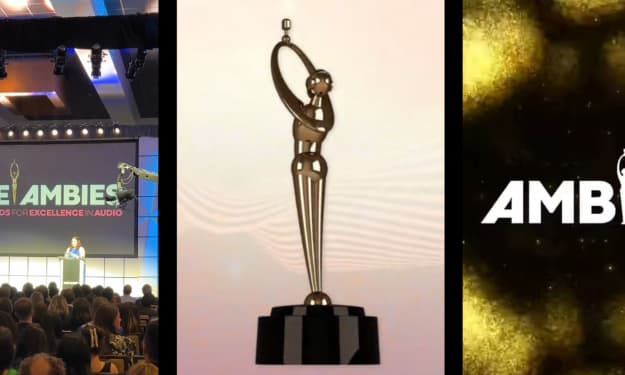
Originally published on Recognized.fm Awards shows do not fail because of a single bad decision. They fail because of accumulated ones. The 2026 Ambies, presented by the Podcast Academy, arrived carrying weight that had been building long before a single winner was announced, and a historic winter storm ensured that more people than ever were watching when that weight came due.
By recognized.fm7 days ago in Journal



Comments
There are no comments for this story
Be the first to respond and start the conversation.