
Famous Panch Kedar Temples of Lord Shiva in Uttarakhand
Discover the sacred temples of Lord Shiva in Uttarakhand, including the legendary Panch Kedar Temples. Explore their history, myths, treks, and spiritual significance in this complete guide to Shiva's Himalayan abodes.
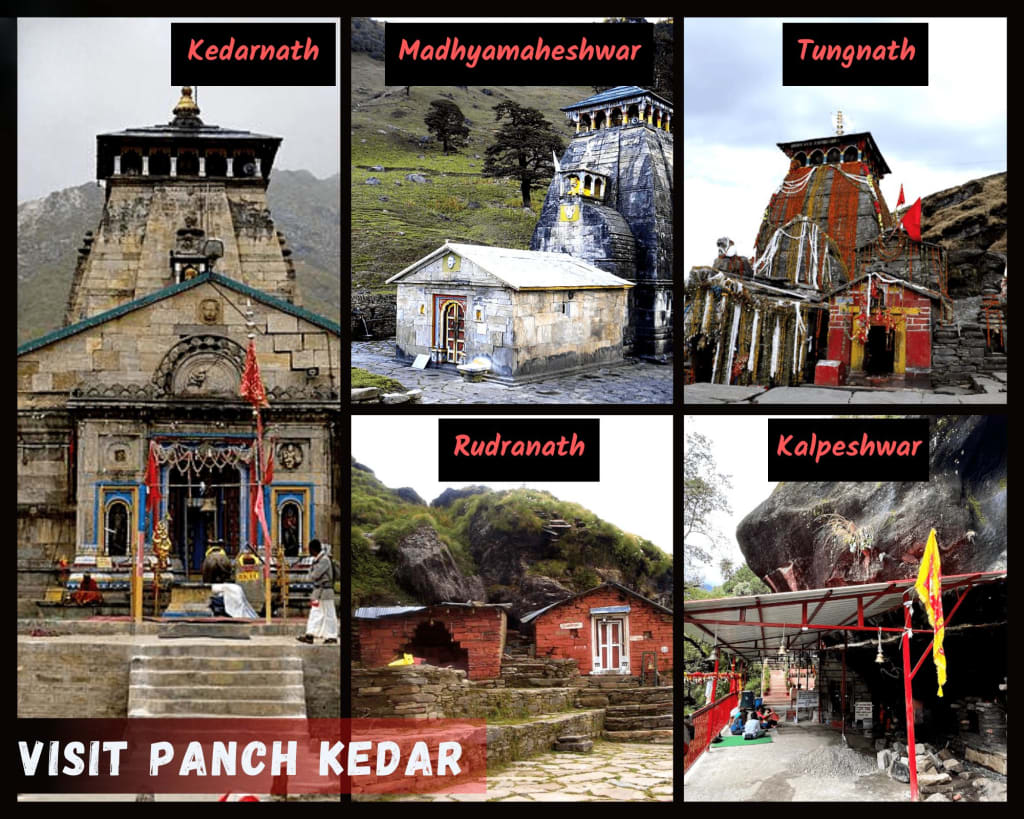
Uttarakhand, lovingly called Devbhoomi – the Land of the Gods – is a sacred realm where the divine breathes in every stone, mountain, and stream. Among the deities worshipped across this mystical Himalayan region, Lord Shiva holds a revered and central place. His presence echoes through the dense forests, snowy peaks, serene valleys, and the ever-flowing rivers of this spiritual land.
Whether you are a devotee seeking divine blessings, a trekker in search of spiritual adventure, or a traveler drawn to ancient mysticism, the Panch Kedar Temples of Lord Shiva in Uttarakhand offer a spiritual or soul-stirring experience. These temples are not merely architectural marvels; they are timeless sanctuaries that narrate legends of cosmic power, penance, destruction, and creation.
The Spiritual Significance of Lord Shiva in Uttarakhand
Lord Shiva is worshipped in myriad forms across Uttarakhand — as the meditating yogi, the destroyer of evil, the protector of Dharma, and the divine healer. His worship is deeply embedded in the lifestyle, folklore, and beliefs of the local communities.
Many of the temples dedicated to him are situated in remote, hard-to-reach locations, often requiring arduous treks — symbolizing the spiritual journey of a seeker. The Himalayas are considered his celestial abode, and Uttarakhand is dotted with shrines believed to be touched by his divine presence.
Panch Kedar Temples – The Five Sacred Shrines of Lord Shiva in Uttarakhand
The Panch Kedar Temples are among the most revered pilgrimage sites in Uttarakhand and hold immense significance for followers of Lord Shiva. Nestled deep within the Garhwal Himalayas, these five temples are spiritually linked and collectively worshipped as the divine embodiment of Lord Shiva. According to legend, after the Mahabharata war, the Pandavas sought Lord Shiva's forgiveness. To avoid them, Shiva took the form of a bull and disappeared into the ground, reappearing in parts at different locations — which became the five Panch Kedar Temples.
Embarking on the Panch Kedar Yatra is not just a spiritual journey but also a test of physical and mental endurance, often undertaken through remote trails, rugged terrains, and high-altitude villages.
1. Kedarnath Temple– The Hump of Shiva
At an elevation of 3,583 meters, Kedarnath is the most famous and significant among the Panch Kedar Temples. It is also one of the twelve Jyotirlingas in India. Located near the source of the Mandakini River, this majestic stone temple stands against the backdrop of snow-capped peaks and glaciers. Lord Shiva is worshipped here in the form of a conical rock resembling a hump — symbolizing the bull form he had taken.
Pilgrims reach Kedarnath after a 16 km trek from Gaurikund, and the temple remains open only from late April to early November.
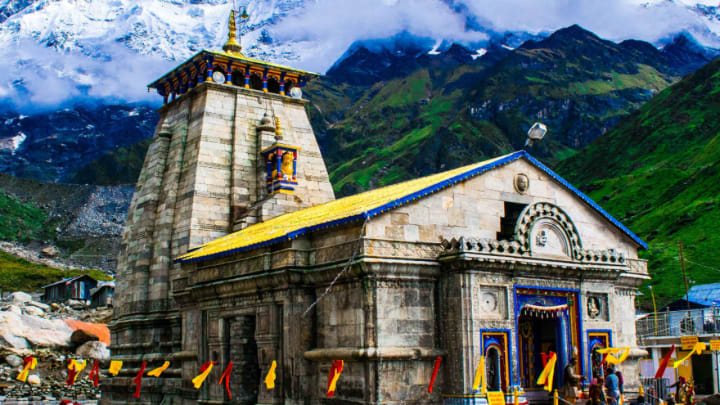
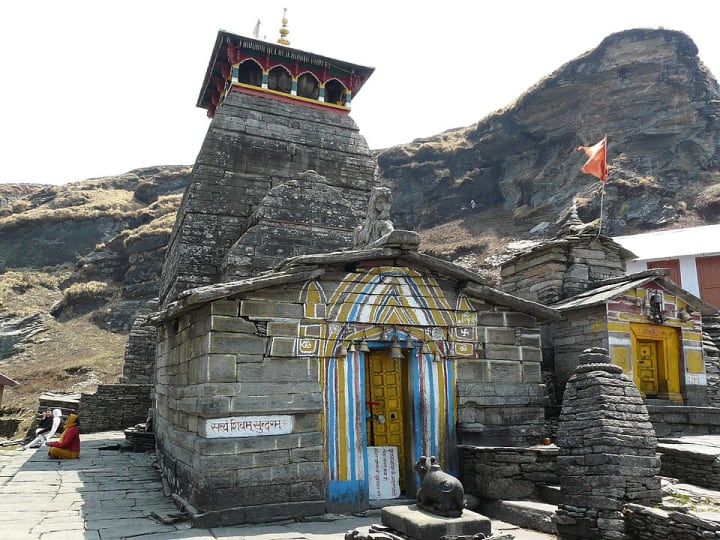
2. Tungnath Temple– The Arms of Shiva
Known as the highest Shiva temple in the world, Tungnath is perched at an altitude of 3,680 meters in the Rudraprayag district. It is believed that Lord Shiva's arms appeared here. The temple is easily accessible from Chopta via a 3.5 km scenic trek, making it a favorite among both devotees and trekkers.
From Tungnath, many also ascend further to Chandrashila Peak, which offers a panoramic view of prominent Himalayan peaks including Nanda Devi and Trishul.
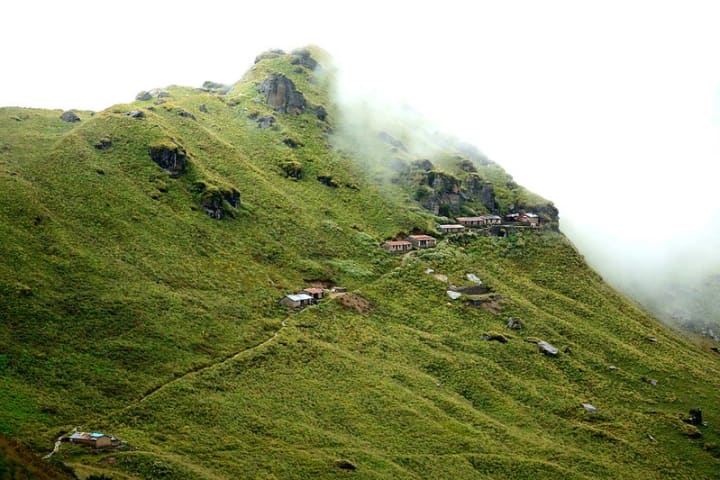
3. Rudranath Temple – The Face of Shiva
Located in a remote alpine meadow surrounded by thick rhododendron and oak forests, Rudranath Temple is where Lord Shiva’s face is worshipped. At an elevation of about 3,600 meters, this is the most challenging temple to reach among the Panch Kedar Temples. The ambiance is one of deep tranquility, and the temple is enveloped in an aura of mysticism.
Treks to Rudranath begin from places like Sagar or Urgam village and usually take multiple days through beautiful yet strenuous routes.
4. Madhyamaheshwar – The Navel of Shiva
Surrounded by lush green pastures and majestic snow peaks, Madhyamaheshwar (or Madmaheshwar) is situated at an altitude of 3,289 meters. It is here that the navel and stomach portion of Lord Shiva is said to have appeared. The temple lies in a remote valley and is accessible through a scenic trek from Ransi village, passing through tranquil Himalayan villages like Gondar.
This serene site offers breathtaking views of Chaukhamba and other towering peaks.
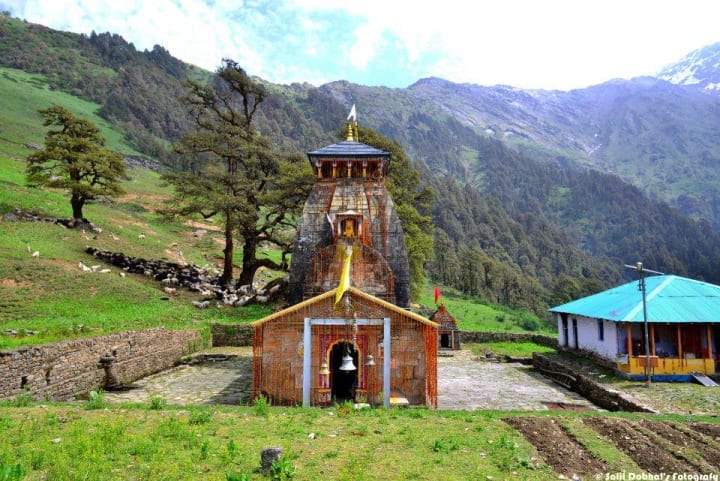
5. Kalpeshwar – The Hair of Shiva
The final shrine in the Panch Kedar Temples circuit is Kalpeshwar, located in the peaceful Urgam Valley. This is the only Panch Kedar temple accessible throughout the year, making it unique. Shiva is worshipped here in the form of jata (matted hair).
Surrounded by lush forests, terraced fields, and cascading streams, Kalpeshwar is also connected to the sage Durvasa, who is believed to have meditated here.
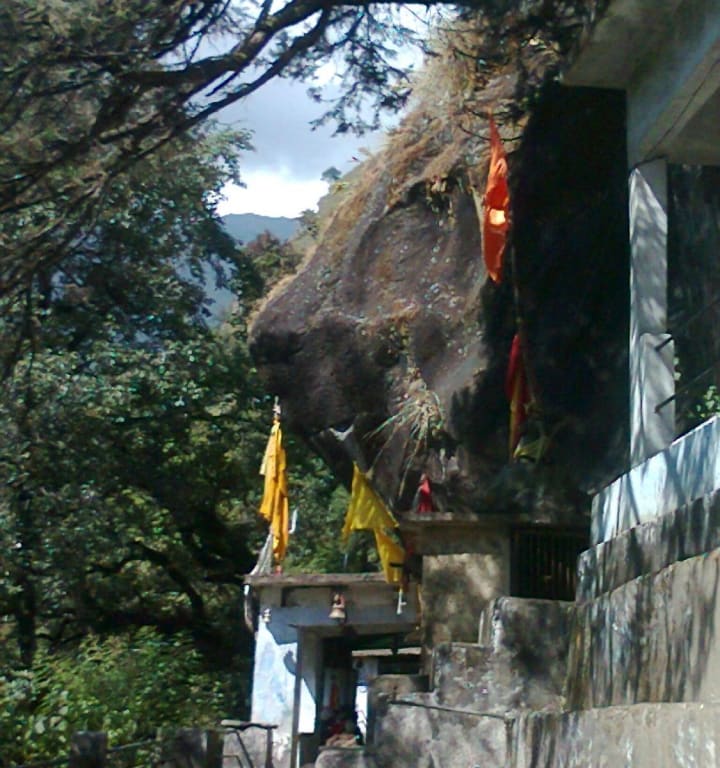
Other Prominent Shiva Temples in Uttarakhand
Beyond the Panch Kedar circuit map, Uttarakhand is home to many other significant temples dedicated to Lord Shiva. These temples carry deep spiritual resonance and local legends, often situated amidst awe-inspiring natural settings.
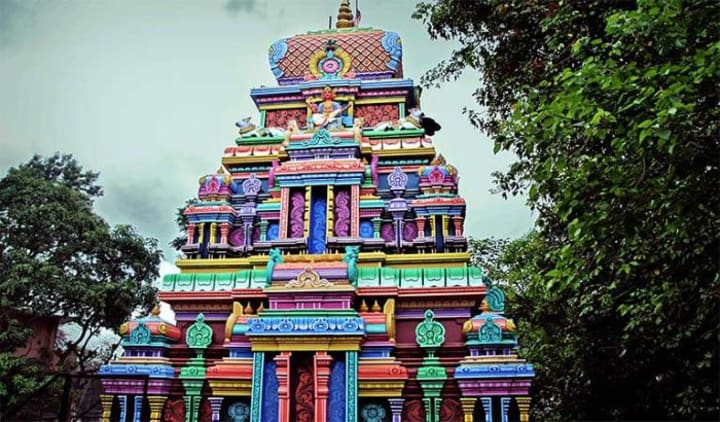
Neelkanth Mahadev Temple (Rishikesh)
Located around 32 km from Rishikesh in the Pauri Garhwal district, Neelkanth Mahadev Temple stands at 1,330 meters amidst dense forests. It is one of the most sacred temples of Shiva in North India. According to legend, this is the place where Lord Shiva consumed the poison Halahala that emerged from the Samudra Manthan (Churning of the Ocean), which turned his throat blue — hence the name Neelkanth (blue throat).
The temple architecture, the scenic route through the jungle, and the mythological importance make this a must-visit.
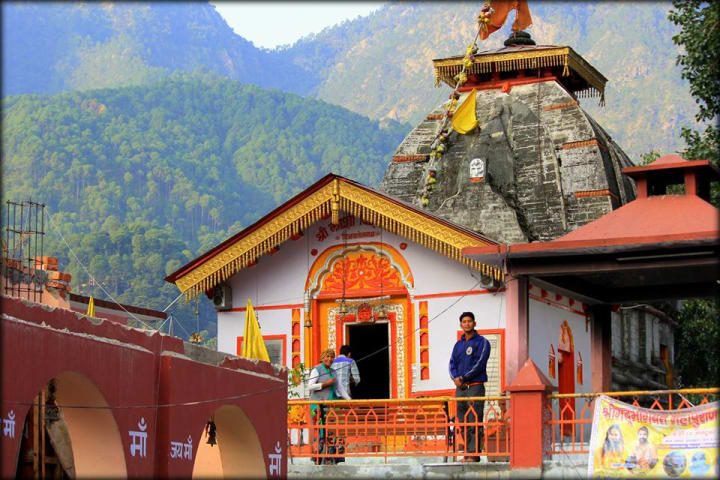
Kashi Vishwanath Temple (Uttarkashi)
Often regarded as the twin of the famous Kashi Vishwanath Temple in Varanasi, this temple in Uttarkashi is one of the most revered shrines in the region. Located on the banks of the Bhagirathi River, it holds immense significance for pilgrims heading towards Gangotri Dham.
A unique aspect here is the giant Trishul (trident) in the temple courtyard — said to be unmovable by any force. The calm aura and holy chants transport visitors into a deeper spiritual realm.
Koteshwar Mahadev Temple (Rudraprayag)
This beautiful cave temple dedicated to Lord Shiva lies on the banks of the Alaknanda River. It is believed that Lord Shiva meditated here before appearing before Ravana. During Shivratri, this temple witnesses a great influx of devotees.
The natural cave formations and spiritual energy give this place an enigmatic atmosphere, ideal for meditation and reflection.
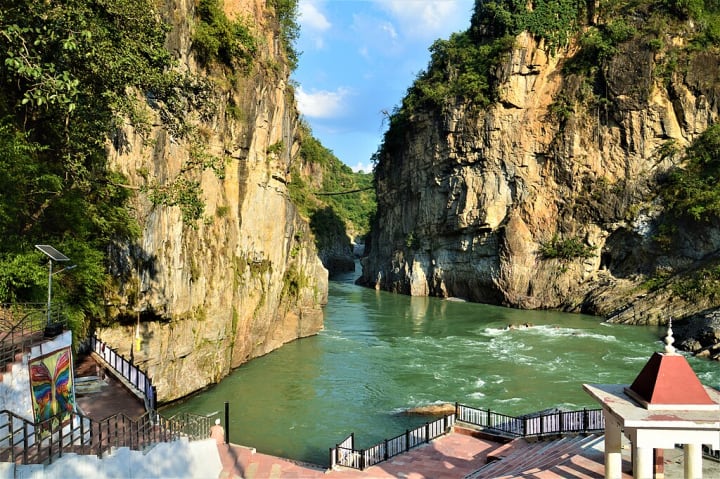
Baijnath Temple (Bageshwar)
Situated in the picturesque town of Baijnath in Kumaon, this temple complex dates back to the 12th century. Located on the banks of the Gomti River, the Baijnath Temple houses a beautiful black stone idol of Parvati and a Shivalinga.
The architecture reflects the Katyuri dynasty’s brilliance. Local legend says Lord Shiva and Parvati were married here. The calm surroundings make it an ideal spiritual retreat.
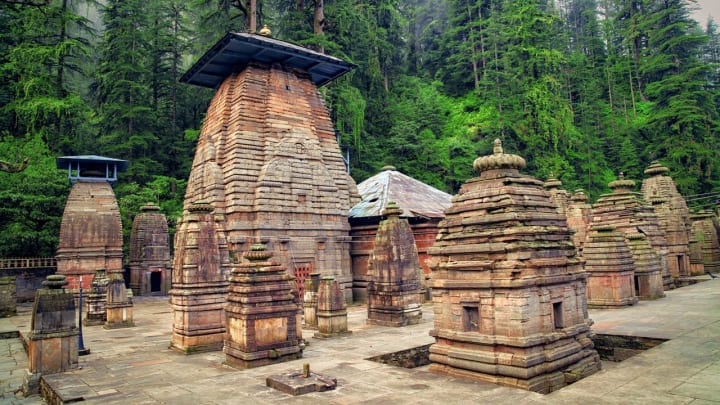
Jageshwar Dham (Almora)
Often referred to as the “Valley of the Gods,” Jageshwar is a cluster of over 100 ancient stone temples surrounded by deodar forests. Some of these temples date back to the 7th–12th century and are built in Nagara style.
Among them, the main Jageshwar Mahadev temple houses one of the Jyotirlinga claims, though not officially included in the traditional list of twelve. The tranquility, ancient aura, and architectural elegance make this a sacred spot for Shiva devotees and lovers of history alike.
Tapkeshwar Mahadev Temple (Dehradun)
Located in a natural cave on the banks of the Tons River, Tapkeshwar Temple is believed to be the place where Guru Dronacharya worshipped Lord Shiva. The temple gets its name from the drops of water that naturally drip over the Shivalinga inside the cave — a sight that deeply touches devotees.
The easy access from Dehradun city and the scenic beauty around the cave attract thousands during Mahashivratri.
Gopeshwar Mahadev (Chamoli)
Located in Gopeshwar town, this ancient Shiva temple is adorned with intricate carvings and a mystical Trishul believed to be from the time of Lord Shiva himself. A popular belief is that only the pure-hearted can lift the trident. The town is also the base for visits to Rudranath and other parts of the Panch Kedar circuit.
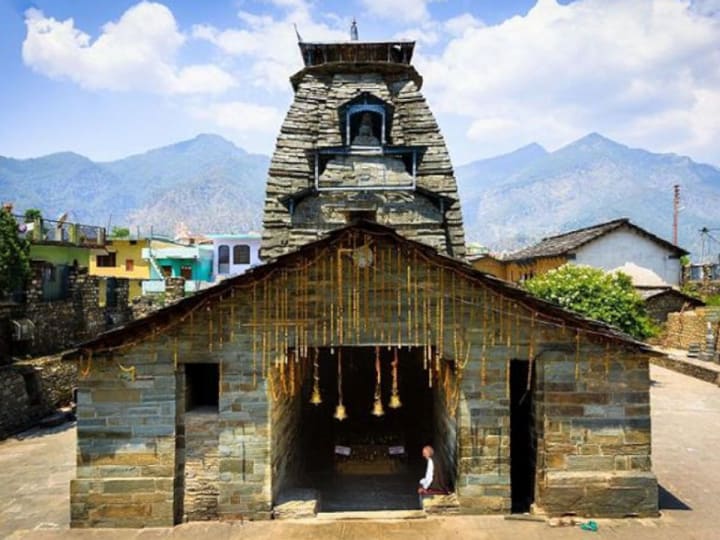
Lakhamandal Temple (Dehradun District)
Tucked away in the Jaunsar-Bawar region, this ancient temple complex is steeped in Mahabharata lore. It is said that the Kauravas tried to burn the Pandavas alive in the Laksha Griha (house of wax) nearby.
The name "Lakhamandal" derives from "Lakh" (many) and "Mandal" (temples), indicating the presence of numerous shrines. Shivalingas here are believed to be Swayambhu (self-manifested), and the temple is an archaeological treasure.
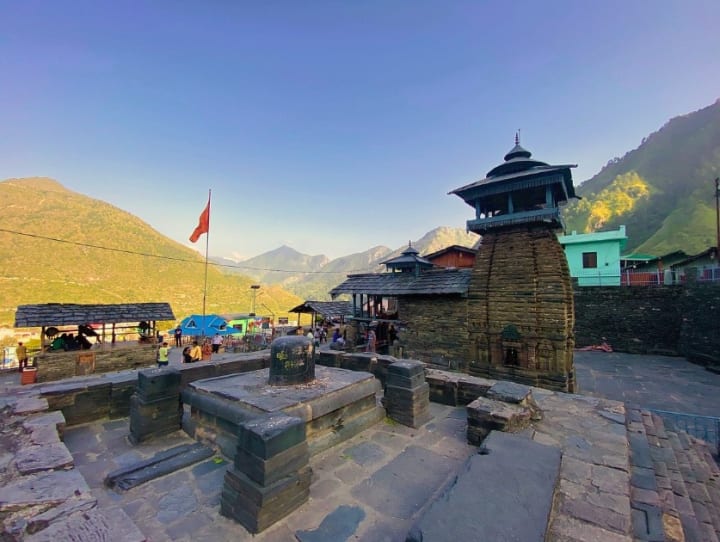
Kaleshwar Mahadev (Pauri Garhwal)
Located on the banks of the Ramganga River near Lansdowne, this lesser-known temple is dedicated to Kaal Bhairava, a fierce form of Lord Shiva. Surrounded by pine forests, the temple is a place of quiet spiritual retreat. It's popular among saints and devotees who seek peace and solitude for meditation.
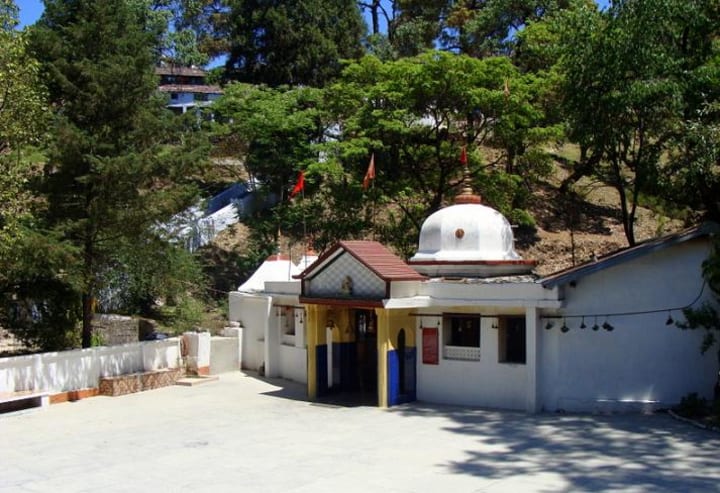
Vishwanath Temple, Guptkashi
Guptkashi, as the name suggests, means "Hidden Kashi." According to legend, Lord Shiva hid here from the Pandavas. The Vishwanath Temple here resembles the architecture of Kashi Vishwanath in Varanasi and is on the route to Kedarnath. It also houses an Ardhnarishwar (half Shiva, half Parvati) statue, adding to its uniqueness.
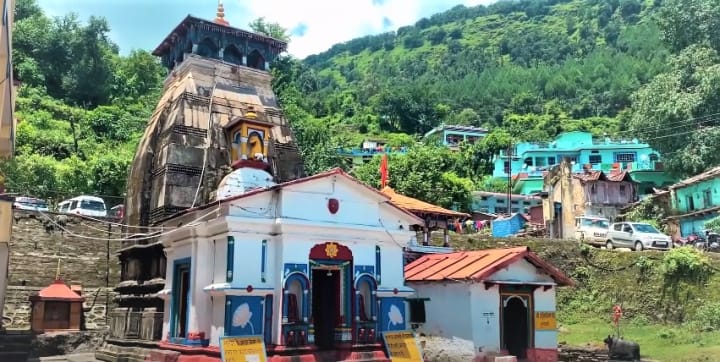
Shiva in the Himalayas – Connection with Nature
Lord Shiva, the ascetic yogi, is often depicted seated in meditation on the snowy Mount Kailash. The Himalayas — majestic, eternal, and mysterious — mirror his persona. In Uttarakhand, the harmony between spiritual practice and natural beauty is seamless. The rivers, mountains, forests, and caves are not just backdrops but active participants in the divine story.
Pilgrimages to these remote temples often involve days of trekking, enduring harsh weather, and surviving minimal facilities — a symbolic purification process. This communion with nature while seeking the divine deepens the spiritual experience manifold.
Myths, Legends, and Local Beliefs
Every Shiva temple in Uttarakhand has its own local myths — stories passed down generations through folk songs, chants, and oral traditions. Some believe that Lord Shiva still wanders through the hills in the guise of a hermit. Others tell tales of divine intervention in times of disaster or miraculous healing by touching the Shivalinga.
In many villages, Shiva is worshipped as the family deity (kuldevta) and guardian of the forests. Ancient trees, caves, and stones are considered sacred spots where Shiva has revealed his presence.
Festivals Celebrated at Shiva Temples in Uttarakhand
Maha Shivratri
This is the most important festival dedicated to Lord Shiva, celebrated with great enthusiasm across all temples. Devotees fast, chant Om Namah Shivaya, and offer bilva leaves, milk, and flowers to the Shivalinga. In places like Kedarnath, Jageshwar, and Neelkanth, night-long vigils and folk celebrations mark the occasion.
Shravan Maas (July-August)
The entire month of Shravan is considered auspicious for Lord Shiva. Pilgrims from all over carry holy water from the Ganga and offer it to Shiva temples, especially during Kanwar Yatra to Neelkanth and other temples.
Other regional fairs like Kauthig and Mela held near temples turn into spiritual gatherings with folk music, dance, and communal meals.
Trekking to Shiva Temples – A Pilgrimage Through the Mountains
Many Shiva temples in Uttarakhand, especially in the Garhwal region, are only accessible through treks. Kedarnath, Rudranath, Madhyamaheshwar, and Kalpeshwar are part of demanding but scenic treks that combine devotion and adventure.
Trekking to Panch Kedar temples offers more than a physical journey — it is a purification of the soul. As one climbs higher, away from urban noise, the mind becomes quieter, and the bond with the divine strengthens.
Conservation and Tourism
With increasing tourism, the need for preserving the sanctity and environment around these sacred sites has become more urgent. Initiatives are being undertaken by the Uttarakhand government and local communities to promote responsible tourism, eco-friendly pilgrimages, and heritage conservation.
Efforts like limiting plastic usage, providing waste disposal facilities, and maintaining trekking routes are making a positive difference. Awareness campaigns around preserving temple art and local traditions are also gaining ground.
Conclusion
The temples of Lord Shiva in Uttarakhand are not just architectural structures — they are living energies, echoing centuries of devotion, mythology, and divine experiences. Each temple, whether nestled deep in a forest, perched high in the Himalayas, or standing gracefully by a river, tells a unique story of faith and endurance.
To journey through these temples is to walk in the footsteps of sages, gods, and seekers. It is to touch the spirit of the Himalayas and the soul of Lord Shiva himself. For those who seek, these temples offer not just blessings, but transformation.
About the Creator
Mountains Curve
I’m a passionate traveler with an insatiable curiosity for exploring new corners of the world. Beyond my love for adventure, I find joy in DIY crafts, cooking, planting, spending time in forests, and diving into anything new to learn.
Keep reading
More stories from Mountains Curve and writers in Journal and other communities.
Garhwal Himalayas: Hub of Trekking Adventures
Nestled in the northern region of India, the Garhwal Himalayas are a treasure trove of natural beauty, spirituality, and adventure. Known for their breathtaking landscapes, spiritual significance, and a plethora of trekking opportunities, this region is a dream destination for spiritual trekkers, adventurers, and nature lovers alike. From the revered Char Dham pilgrimage to challenging treks like Auden Col and Kalindi Khal, the Garhwal Himalayas offer an unparalleled experience for those seeking both solace and thrill.
By Mountains Curve12 months ago in Journal
The goals I did not achieve
Every writing goal I made for the year is a wash. It has been this way for a while, but I think it's important to be open about my failures and the reality of how life can get in the way. This is especially true considering the several times I have posted on Vocal about my writing goals, how I was changing my approach, and where I was hoping to be for the upcoming year. I will probably do that again in a couple months, but for now, it is time to acknowledge where I am today.
By Kay Husnick23 days ago in Journal
When You Want to Pray but Do Not Know What to Say
One of the quiet struggles many people experience in their faith is not doubt, but silence. Not God’s silence, but our own. There are moments when we sit down to pray and realize we have no words. No polished thoughts. No clear requests. Just a sense of heaviness, confusion, or fatigue. It can feel like prayer requires language we do not possess.
By Sound and Spirita day ago in Journal


Comments
There are no comments for this story
Be the first to respond and start the conversation.