
Exxact Sports Tip: Youth Football Player Essentials
Tips for Youth Football Player
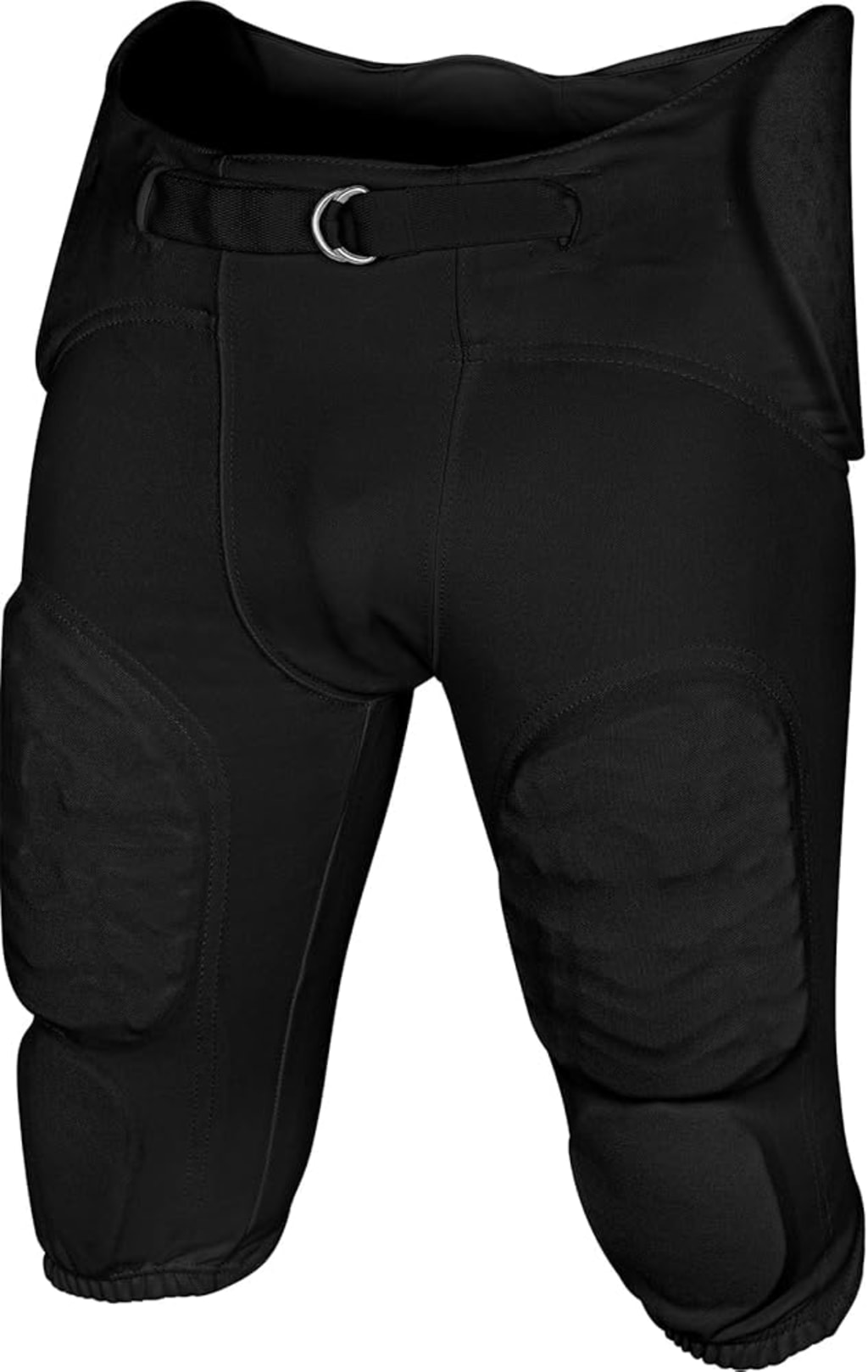
As a parent or coach, you play a crucial role in shaping the future of young athletes. Preparing them for success involves more than just buying the right gear; it's about creating a holistic environment that nurtures their physical, mental, and emotional growth. This journey begins with understanding the essentials that every young football player needs to thrive on and off the field.
In this article, we delve into the key components that make up a well-rounded football experience for youth players. From the importance of proper nutrition and hydration to injury prevention strategies, we provide a comprehensive guide to ensure your young athlete is well-equipped for the challenges ahead. Additionally, we offer tips for parents and coaches on how to foster good sportsmanship and teamwork, creating a positive and supportive environment that encourages growth and development. Let's explore the essentials that will set your youth football player on the path to success.
Preparing young football players for success
involves laying a strong foundation that covers both physical and mental aspects of the game. The first step is ensuring that your young athlete has the proper equipment to keep them safe on the field. This includes a well-fitted helmet, shoulder pads, elbow pads, knee pads, and a mouthguard. Safety is paramount, and having the right gear can prevent injuries and instill confidence in the players.
Next, focus on teaching them the fundamentals of the game. Mastering basic skills like throwing, catching, and running with the ball is essential. These skills form the backbone of football and will be crucial as they progress through different levels of the sport. Invest time in drills that improve hand-eye coordination, agility, and overall athleticism. Consistent practice of these fundamentals will not only enhance their performance but also boost their enjoyment of the game.
Good practice habits are equally important. Encourage your young players to stretch before and after practice to prevent injuries and improve flexibility. Staying hydrated is another crucial habit that should be reinforced. Proper hydration can significantly impact their energy levels and overall performance on the field. Teach them to recognize the signs of dehydration and the importance of drinking water regularly.
Goal-setting is another key component in preparing young football players for success. Encourage them to set realistic goals and work hard to achieve them. This could be anything from improving their passing accuracy to running faster sprints. Goals provide a sense of direction and purpose, and achieving them can be incredibly rewarding. Celebrate their progress, no matter how small, and remind them that hard work pays off.
Lastly, positive reinforcement is vital. Praise them for their efforts, even if they don't always win. Football is about more than just the score; it's about the journey, the camaraderie, and the life lessons learned along the way. Encourage a positive and supportive environment where every player feels valued and appreciated. This will not only enhance their love for the game but also help them grow into well-rounded individuals.
Nutrition and hydration for young athletes
Proper nutrition and hydration are cornerstones for supporting young football players' performance, growth, and overall health. Ensuring that young athletes maintain adequate hydration levels before, during, and after physical activities is crucial. Regular water intake helps regulate body temperature, transport nutrients, and prevent dehydration, which can lead to fatigue, reduced concentration, and decreased performance. Encourage young players to drink water consistently, even when they don't feel thirsty, as thirst is often a sign of dehydration.
In addition to hydration, a balanced diet plays a pivotal role in fueling young athletes effectively. A diet rich in fruits, vegetables, and whole grains provides essential vitamins, minerals, and fiber that support overall health and immune function. These foods also offer a variety of carbohydrates, which are the body's primary energy source during physical activity. It's important to discourage excessive consumption of sugary beverages, as they can lead to energy crashes and contribute to unhealthy weight gain.
Key nutrients like carbohydrates, proteins, and healthy fats are vital for young athletes. Carbohydrates provide the energy needed for intense physical activities, while proteins aid in muscle repair and growth. Healthy fats, found in foods like avocados, nuts, and seeds, are essential for brain function, hormone regulation, and absorbing fat-soluble vitamins. Educating young players about the importance of these nutrients and incorporating them into their daily meals can significantly enhance their performance and recovery.
Moreover, timing meals and snacks strategically can optimize energy levels and recovery. Encourage a pre-practice snack that includes a mix of carbohydrates and proteins, such as a banana with peanut butter, to provide sustained energy. Post-practice or game, a snack that includes protein can help muscles recover and grow. By focusing on proper nutrition and hydration, young athletes can maximize their potential, stay healthy, and enjoy their football experience to the fullest.
Common injuries and how to prevent them
In youth football, ensuring the safety of young players is paramount. Common injuries include concussions, sprains, strains, and fractures, all of which can significantly impact a child's well-being and enjoyment of the sport. Preventing these injuries involves a multi-faceted approach that begins with education and continues through consistent practice.
Teaching safe tackling methods is crucial for safeguarding against head and neck injuries. Coaches should emphasize proper technique, such as keeping the head up and leading with the shoulder, to minimize the risk of concussions. Regularly reviewing and practicing these techniques can help young players develop safer habits on the field. Additionally, pre- and post-game stretching and warm-up routines are essential for preventing muscle strains and sprains. These routines help to prepare the body for physical activity and reduce the likelihood of injury. Encouraging young athletes to stretch properly before practices and games can significantly enhance their performance and safety.
Using appropriate protective gear is another vital component of injury prevention. Well-fitted helmets, shoulder pads, and other protective equipment can absorb impact and protect vulnerable areas. Ensuring that gear is properly maintained and replaced as needed is also important. Open communication between players, coaches, and parents is key to identifying any discomfort or pain early on. Encouraging young athletes to speak up about any issues can help prevent minor injuries from becoming more serious.
Lastly, staying informed about the latest safety guidelines and best practices in youth football is essential. Organizations like USA Football provide valuable resources and training programs designed to enhance safety. By keeping up-to-date with these guidelines, coaches and parents can implement the most effective strategies to keep young players safe and healthy. This commitment to continuous learning and proactive measures ensures that youth football remains a positive and enjoyable experience for everyone involved.
Tips for parents of youth football players
As a caregiver, your proactive involvement in your child's football pursuits significantly impacts their overall development and enjoyment of the sport. One crucial aspect is ensuring they have the appropriate protective gear. This includes a properly fitted helmet, shoulder pads, elbow and knee pads, and a mouthguard. The right-sized equipment not only protects against injuries but also instills confidence in young players, allowing them to focus on their game rather than their safety.
Instilling values of sportsmanship and teamwork is another vital responsibility. Guide your child to respect their teammates, coaches, and opponents. Encourage them to celebrate victories humbly and accept defeats gracefully. This not only enhances their experience on the field but also shapes their character off it. Additionally, maintaining adequate hydration is paramount. Ensure your child has plenty of water before, during, and after practices and games. Proper hydration maintains energy levels, improves performance, and aids in recovery.
Promoting a healthy diet is essential for young athletes. Ensure your child consumes a balanced diet rich in fruits, vegetables, lean proteins, and whole grains. A nutritious diet supports their growth, boosts their energy, and helps them perform at their best. Furthermore, adequate rest and recovery are crucial for young athletes. Encourage your child to get enough sleep, especially before games or practices. Proper rest allows their bodies to repair and rejuvenate, reducing the risk of injuries and enhancing their overall well-being.
Creating a supportive environment is key to fostering both physical health and character development. Recognize your child's efforts, not just their wins. Celebrate their progress, big or small, to build their confidence and cultivate their love for the game. Encourage open communication and be there to listen to their experiences, whether they are thrilling victories or challenging setbacks. Your support and encouragement will greatly enrich their youth football journey, making it both rewarding and enjoyable.
Encouraging good sportsmanship and teamwork
Nurturing a culture of fair play and collaboration is essential for the holistic growth and enjoyment of young football players. Cultivating positive attitudes and conduct creates a respectful and supportive atmosphere that benefits all participants. Guiding young athletes to respect their teammates, opponents, and officials is fundamental. This includes comprehending the game's rules, accepting referee decisions, and managing both wins and losses with grace and dignity. By advocating for these values, coaches and parents help players develop life skills that transcend the football field.
Coaches and parents serve as influential role models in shaping good sportsmanship. Their conduct on the sidelines, whether during games or practices, sets the standard for the entire team. When coaches and parents exhibit respect and positivity, they foster an environment where young athletes feel secure to learn, make errors, and grow. Recognizing and praising instances of good sportsmanship, even in minor moments, underscores its significance. For instance, acknowledging a player's sportsmanship after a difficult loss or complimenting an opponent's skillful play can leave a lasting impression.
Collaboration is another key element of youth football pants. Encouraging players to support one another, both on and off the field, cultivates a sense of camaraderie and mutual respect. Coaches can promote team cohesion through various activities such as group drills, team-building exercises, and social gatherings. When players feel connected to their teammates, they are more likely to cooperate effectively during games and support each other through adversities. This collective effort not only improves performance but also creates a positive and enjoyable experience for everyone involved.
Moreover, teaching players to be good teammates involves stressing the importance of mutual support. Encouraging players to cheer for each other, offer assistance when needed, and celebrate each other's achievements can significantly enhance team morale. Coaches and parents should also emphasize the unique strengths of each player and the value they contribute to the team, ensuring everyone feels valued and appreciated. By fostering a supportive environment, young athletes learn the significance of teamwork and the power of collective endeavor.
About the Creator
samcharis
The iPhone XS has a 5.8-inch Super-Retina OLED display with 2436 x 1125 pixels resolution.
Apple iPhone XS MAX
The iPhone XS Max is one of Apple's most impressive devices, boasting powerful features and capabilities, making it a top choice for smartphone users. While many of these features are well-known and frequently used, there are many hidden features and functions that many iPhone XS Max users may not be aware of.
By samcharis3 years ago in Confessions
Poland Has More Gold Than the European Central Bank—and Has No Intention of Slowing Down
In an era marked by financial uncertainty, geopolitical tension, and shifting monetary priorities, gold has re-emerged as a strategic asset for nations seeking long-term stability. Among the most striking examples of this renewed focus is Poland. In recent years, the country has quietly but decisively accumulated gold reserves to the point where it now holds more gold than the European Central Bank (ECB) itself—a remarkable milestone for a single EU member state. More importantly, Polish officials have made it clear that this is not the end of the road. Poland’s gold-buying campaign is far from over.
By Salaar Jamaliabout 20 hours ago in Journal
How to Succeed at the Benson Directory®
Congratulations and welcome to the Benson Directory® employee #22391! As our newest call handler, you will have the privilege of speaking with dozens of unique and interesting people on a daily basis as well as the opportunity to earn bonuses for high performance. Contained within this handbook you will find a set of ease to follow instructions designed to help you settle in to your new role and begin paving the way to success.
By S. A. Crawford5 days ago in Fiction



Comments
There are no comments for this story
Be the first to respond and start the conversation.