
Exploring the Potential Impacts and Mechanisms of the Sermorelin and Ipamorelin Blend
Potential Impacts and Mechanisms
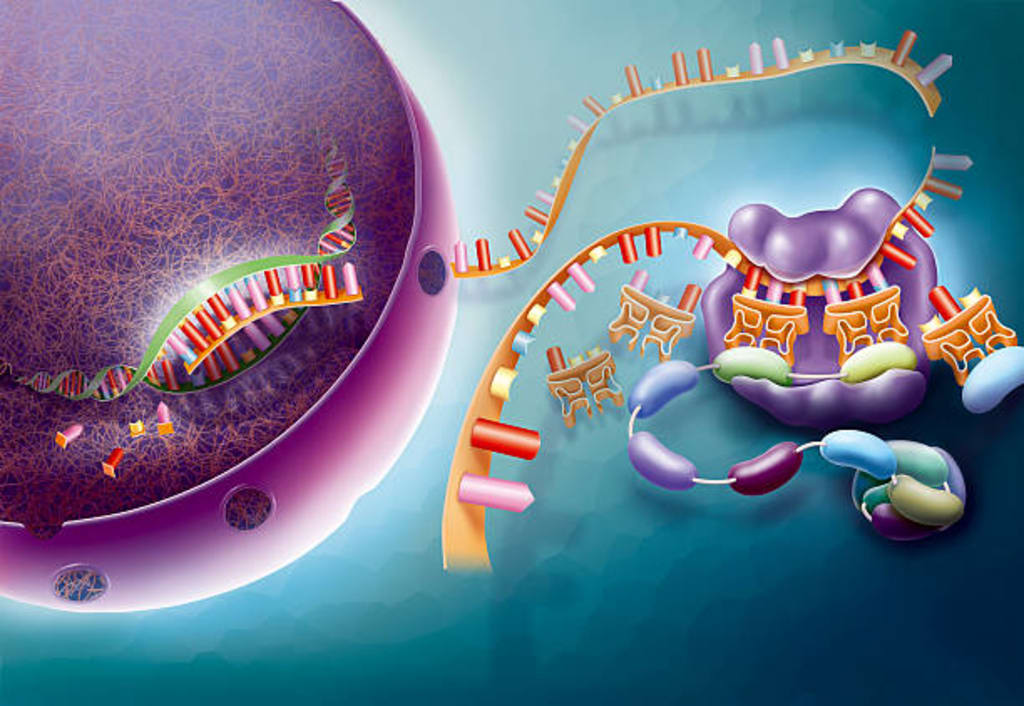
The scientific exploration of peptides continues to expand, with a growing focus on compounds that regulate hormonal activity and support physiological processes. Among these, the combination of Sermorelin and Ipamorelin has emerged as a noteworthy candidate for research due to its potential to modulate growth hormone (GH) levels. These two peptides act on the pituitary gland through complementary mechanisms, providing a promising approach to studying GH regulation and its downstream effects on metabolism, musculoskeletal health, cognitive function, and cellular regeneration.
Understanding Sermorelin and Ipamorelin
Sermorelin
Sermorelin is a synthetic analog of growth hormone-releasing hormone (GHRH) and contains the first 29 amino acids of the naturally occurring GHRH molecule. By binding to GHRH receptors on the pituitary gland, it stimulates the release of endogenous growth hormone in a pulsatile manner. This process closely mimics the natural secretion patterns of GH in the human body and is regulated by feedback from somatostatin, ensuring controlled hormonal release.
Ipamorelin
Ipamorelin functions as a selective growth hormone secretagogue. It mimics ghrelin by binding to the ghrelin receptor (GHS-R1a) on the pituitary, which triggers the release of GH without significantly affecting other hormones such as cortisol or prolactin. This selectivity makes Ipamorelin a potent and targeted stimulator of growth hormone, ideal for research focused on GH-specific outcomes.
Synergistic Potential of the Blend
When combined, Sermorelin and Ipamorelin may produce synergistic effects. Sermorelin provides a pulsatile stimulus, while Ipamorelin offers sustained GH release through ghrelin receptor activation. This dual mechanism can potentially lead to more consistent and robust GH levels than either peptide alone. Researchers are increasingly exploring this combination as a model for enhancing GH dynamics in preclinical and laboratory studies.
Physiological Implications
1. Cellular Regeneration and Tissue Repair
Growth hormone is crucial for protein synthesis, tissue repair, and cellular proliferation. The Sermorelin-Ipamorelin blend could support regenerative processes, making it an important research tool in understanding mechanisms of cellular aging, tissue recovery, and wound healing. Studies indicate that enhanced GH activity can accelerate repair in muscle, connective tissue, and skin, offering insights into anti-aging and regenerative biology research.
2. Metabolic Regulation
GH plays a central role in regulating metabolism, including glucose homeostasis, lipid metabolism, and energy balance. By modulating GH secretion, the Sermorelin-Ipamorelin blend may serve as a model to study metabolic disorders such as insulin resistance, obesity, and type 2 diabetes. Researchers can leverage this blend to examine how controlled GH elevation influences energy expenditure, fat mobilization, and overall metabolic function.
3. Musculoskeletal Health
The anabolic effects of GH extend to bone density and muscle mass. Elevated GH levels stimulate the production of insulin-like growth factor-1 (IGF-1), which promotes bone strength and muscular development. Research using the Sermorelin-Ipamorelin combination could provide valuable insights into interventions for musculoskeletal conditions, age-related muscle loss, or recovery from injuries.
4. Cognitive and Neuroprotective Functions
Emerging evidence suggests that GH has neuroprotective properties, potentially supporting cognitive performance, learning, and memory. The dual peptide approach could offer a framework for studying GH’s effects on the central nervous system, particularly in the context of neurodegenerative conditions or age-related cognitive decline.
Applications in Research
The Sermorelin-Ipamorelin blend is a powerful tool for scientific studies focused on GH dynamics and its effects on various biological systems. Key areas of research include:
- GH Deficiency Models: Examining the efficacy of the blend in stimulating endogenous GH in preclinical studies.
- Aging Research: Investigating GH’s role in age-related physiological decline and potential rejuvenation mechanisms.
- Metabolic Disorder Studies: Understanding how GH modulation influences obesity, insulin resistance, and lipid metabolism.
- Musculoskeletal Regeneration: Exploring tissue repair, muscle recovery, and bone health using GH-stimulating peptides.
Mechanistic Insights
The physiological effects of the Sermorelin-Ipamorelin blend stem from complementary receptor activation:
- Sermorelin targets the GHRH receptor, promoting pulsatile GH release.
- Ipamorelin targets the ghrelin receptor, facilitating sustained GH release with minimal off-target effects.
The combined modulation of these pathways allows researchers to study GH activity in a more controlled and physiologically relevant manner. Additionally, the blend’s effect on IGF-1 levels provides further opportunities to explore anabolic and regenerative pathways in multiple tissues.
Future Directions
As peptide research advances, the Sermorelin-Ipamorelin blend may play a central role in:
- Optimizing Hormonal Therapies: Developing precise models for GH supplementation and its metabolic and musculoskeletal outcomes.
- Regenerative Medicine: Understanding how controlled GH elevation can improve tissue repair and reduce age-related degeneration.
- Neuroendocrine Research: Studying GH’s impact on brain function, neuroplasticity, and neurodegenerative disease models.
Integration with modern technologies such as computational biology, peptide delivery systems, and preclinical imaging may enhance research precision and broaden the scope of applications.
Conclusion
The Sermorelin and Ipamorelin blend marks an important advancement in peptide-based hormonal research. In Peptides 101, this combination is highlighted for its synergistic effects on growth hormone release, offering a valuable tool for studying metabolic processes, musculoskeletal health, tissue regeneration, and cognitive function. As researchers delve deeper into this blend, it has the potential to reveal new insights into hormonal regulation and its broader impact on human physiology.
The continued study of this dual peptide combination may also inform the development of other peptide-based interventions, highlighting the potential of highest quality peptides in modern biomedical research.
Disclaimer: All products are supplied strictly for laboratory and pre-clinical research use only. They are not intended for human consumption and are not FDA-approved to diagnose, treat, or cure any condition.
About the Creator
Keep reading
More stories from Bona miller and writers in Journal and other communities.
Designing T-Shirts People Actually Want to Wear
T-shirts are one of the most universal items of clothing. They cross borders, cultures, and generations. But not every t-shirt is destined to become a favorite. Some are worn until they fade and fray, while others sit untouched in the back of a drawer.
By Bona miller6 months ago in Journal
Author’s Advice
If you would’ve asked me 20 years ago did I know I’d become a writer and an author, I would’ve said “nope, ain’t happening”. As fate would have it I did become an author and I can honestly say I’m loving it so far. It really does feel good to be a writer. I’ve learned a lot on this journey and I feel like with even me being as new to this world as I am, there’s some wisdom I need to share with every other aspiring author.
By Joe Patterson5 days ago in Journal




Comments
There are no comments for this story
Be the first to respond and start the conversation.