
Designing T-Shirts People Actually Want to Wear
Designing T-Shirts
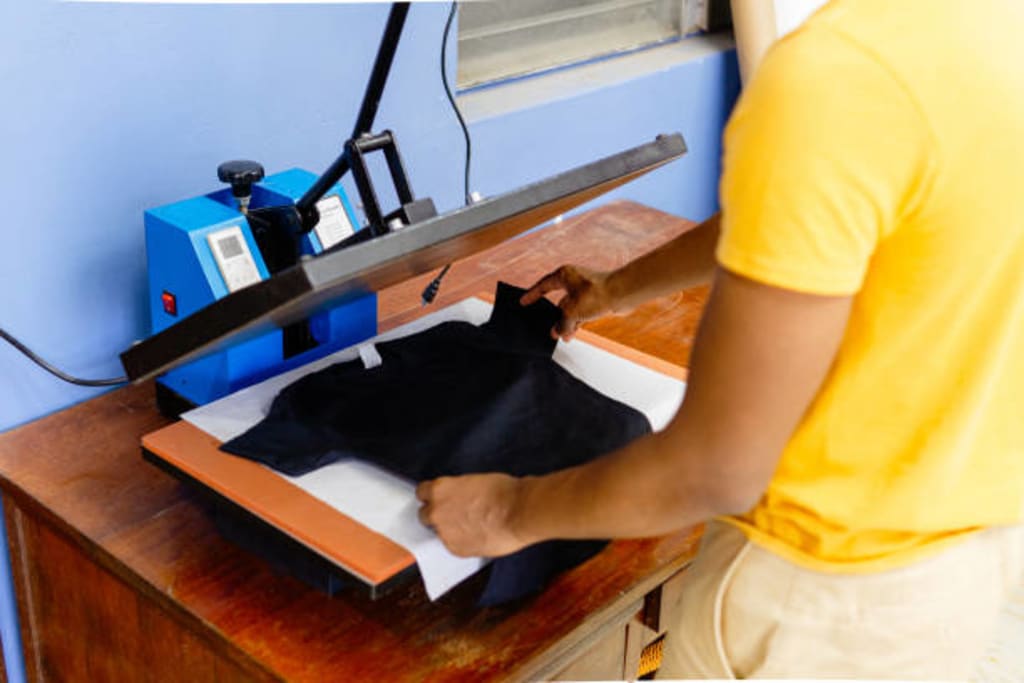
T-shirts are one of the most universal items of clothing. They cross borders, cultures, and generations. But not every t-shirt is destined to become a favorite. Some are worn until they fade and fray, while others sit untouched in the back of a drawer.
What separates a loved t-shirt from one that never gets worn? The answer isn’t just fabric or printing. It’s design—both in terms of how it looks and how it feels. Designing t-shirts people actually want to wear takes more than slapping a logo on cotton. It requires creativity, empathy for the wearer, and smart choices about printing and materials.
Understanding the Wearer’s Perspective
Before pen touches paper or mouse clicks canvas, you need to think about the wearer. People don’t just wear t-shirts because they’re comfortable. They wear them because shirts communicate something about who they are.
A great t-shirt makes people feel good. Maybe it highlights a cause they support, a style they admire, or a message they’re proud to share. If your design doesn’t connect with the wearer on an emotional level, it risks being forgotten.
This is why many promotional shirts fail. Companies often treat t-shirts like moving billboards. They plaster oversized logos and slogans across the chest without considering style. The result? A shirt people accept for free but rarely wear in public.
To design shirts that become staples, you need to put yourself in the wearer’s shoes. Ask: Would I wear this to a café, a concert, or even to work? If the answer is no, it’s time to rethink the design.
Key Principles of T-Shirt Design
1. Keep It Simple
Complex designs often look great on a screen but lose their impact when printed. Bold, simple graphics stand out more clearly and remain memorable. Simplicity doesn’t mean boring—it means making the design easy to recognize and appealing from a distance.
2. Choose Colors Strategically
Colors shape perception. Bright tones grab attention, while muted palettes feel more sophisticated. If you’re designing for a brand, use its colors carefully. The trick is balancing recognition with style. Nobody wants a shirt that screams “advertisement.”
3. Typography That Works
Fonts are part of the design’s personality. They can be playful, bold, modern, or classic. But they should always be readable. A witty phrase loses impact if people have to squint to understand it.
4. Think About Placement and Scale
Design placement matters as much as the design itself. A graphic too large can overwhelm, while one too small gets lost. Experiment with chest prints, pocket-sized graphics, or even creative placements on sleeves or hems.
By following these principles, you create designs that are not only visually strong but also wearable.
Creating Wearable Art, Not Just Merchandise
The most-loved t-shirts blur the line between fashion and function. They aren’t just promotional tools—they’re wearable art.
Consider the difference between a corporate giveaway shirt and a band’s tour tee. One feels like an advertisement; the other feels like a memory, a badge of belonging. People keep and wear shirts that make them feel part of something.
Minimalist graphics, vintage-inspired designs, and bold statement tees are especially popular now. They pair easily with jeans, jackets, and skirts, making them versatile wardrobe staples. When designing, aim for subtle branding. A small logo combined with a strong artistic element creates balance.
The goal is to design a shirt people would buy even if your brand name wasn’t on it.
Choosing the Right Printing Method
Design is only half the equation. The printing method determines how the final shirt looks, feels, and lasts.
- Screen Printing
A classic choice, screen printing uses stencils and layers of ink to produce bold, vibrant designs. It’s durable and cost-effective for large runs, but less practical for small batches or designs with many colors.
- Direct-to-Garment (DTG) Printing
This method prints directly onto fabric using specialized inkjet technology. It excels at capturing detail, gradients, and full-color artwork. DTG works best on cotton and smaller orders but can be slower and more costly for bulk runs.
- DTF Printing (Direct-to-Film)
A newer technology,DTF printing involves printing designs onto a film, applying adhesive powder, and then transferring the design onto fabric with heat. The advantage? It works on a wide range of fabrics, from cotton to polyester blends. DTF printing also produces durable, vibrant prints that hold up well after many washes. For businesses, it’s an ideal option for scaling production while maintaining quality.
The right choice depends on your needs. For small, intricate designs, DTG may be best. For large runs with bold graphics, screen printing shines. For flexibility across fabrics and strong durability, DTF printing is increasingly the method of choice.
Fabric and Fit Matter as Much as Design
Even the best design will fail if the shirt itself isn’t comfortable. People reach for shirts that feel good, fit well, and last.
Fabric Choice
Cotton is soft and breathable, but blends add durability and reduce shrinkage. Sustainable options like organic cotton and recycled polyester are gaining popularity, especially among eco-conscious buyers.
Fit Options
One-size-fits-all rarely works. Offering different cuts—unisex, women’s fitted, oversized—ensures broader appeal. Comfort is just as important as style.
Durability
Shirts that shrink, stretch, or fade after a few washes won’t be worn again. Investing in quality materials pays off by making your t-shirts everyday favorites.
A great design on a poor-quality shirt becomes wasted effort. Pair strong visuals with high-quality fabrics and fits for lasting impact.
Testing and Feedback Before Production
Testing your designs before mass production saves money and prevents disappointment. What looks good in a mockup may not resonate with your audience in real life.
- Share designs on social media and gather votes.
- Produce small test batches and offer them to select customers.
- Collect feedback on comfort, style, and overall appeal.
These insights allow you to refine designs and identify which ones people truly love. It also builds anticipation for the final launch.
The Business Case: Why Wearable Designs Matter
Designing shirts people want to wear isn’t just good for fashion—it’s good for business.
Each time someone wears your shirt in public, your brand gains visibility. Unlike paid ads, those impressions don’t cost extra. A shirt worn regularly can generate thousands of views over its lifetime.
Beyond exposure, wearable designs build loyalty. Customers who love your shirt are more likely to associate positive feelings with your brand. They become walking ambassadors, sharing your message without being asked.
This is why investing in quality design, printing, and materials pays off. The ROI of a shirt people love far exceeds the cost of production.
Conclusion
Designing t-shirts people actually want to wear is both an art and a science. It starts with empathy for the wearer, continues with thoughtful design choices, and depends on the right printing and materials. A shirt should be more than a billboard—it should be wearable art.
Whether you choose screen printing, DTG, or explore the versatility of DTF printing, the goal remains the same: create t-shirts that feel good, look stylish, and mean something to the wearer.
When you succeed, your shirts won’t just be worn. They’ll be lived in, remembered, and cherished. And that’s the true power of great t-shirt design.
About the Creator
Keep reading
More stories from Bona miller and writers in Journal and other communities.
Reliable JFK Car Service for Stress-Free Airport Travel
Traveling to and from the airport can often be the most stressful part of your journey. Whether you are heading out on a business trip, returning from vacation, or meeting family at the terminal, the last thing you want to worry about is transportation. That’s where a professional JFK Car Service becomes the best solution. With reliable drivers, luxury vehicles, and convenient booking options, you can enjoy peace of mind knowing your ride to or from JFK Airport is smooth, safe, and on time.
By Bona miller5 months ago in Journal
The goals I did not achieve
Every writing goal I made for the year is a wash. It has been this way for a while, but I think it's important to be open about my failures and the reality of how life can get in the way. This is especially true considering the several times I have posted on Vocal about my writing goals, how I was changing my approach, and where I was hoping to be for the upcoming year. I will probably do that again in a couple months, but for now, it is time to acknowledge where I am today.
By Kay Husnick24 days ago in Journal
The Role of Confession in Spiritual Growth
Confession, also called the Sacrament of Reconciliation, is one of the most powerful and transformative practices in Catholic life. Through this sacrament, Catholics seek God’s forgiveness for sins, experience His mercy, and receive spiritual guidance. Far from being a routine obligation, confession is a vital pathway to spiritual growth, healing, and deeper communion with God. Understanding its purpose, benefits, and proper approach can enrich a believer’s faith and daily life.
By Sound and Spirit6 days ago in Journal
Wild Card Weekend Recap: What Happens Now?
I think I figured out why I love Wild Card Weekend so much. It's because it's the first playoff anything of the calendar year. The NFL season starts in the fall, and once upon a time, the champion was crowned either on or slightly before New Year's. The evolution of the NFL schedule has resulted in the playoffs starting just into the New Year, and currently, the final week of the season falls on the first weekend of the New Year, with Wild Card Weekend coming a week after that. So yes, chronologically, the NFL's Wild Card Weekend serves as the first playoff anything of the calendar year.
By Clyde E. Dawkins7 days ago in Unbalanced



Comments
There are no comments for this story
Be the first to respond and start the conversation.