
Exploring the Microwave Oven Market: Trends, Growth, and Future Outlook (2025-2033)
A Deep Dive into Consumer Demand, Technological Innovations, and Market Segmentation

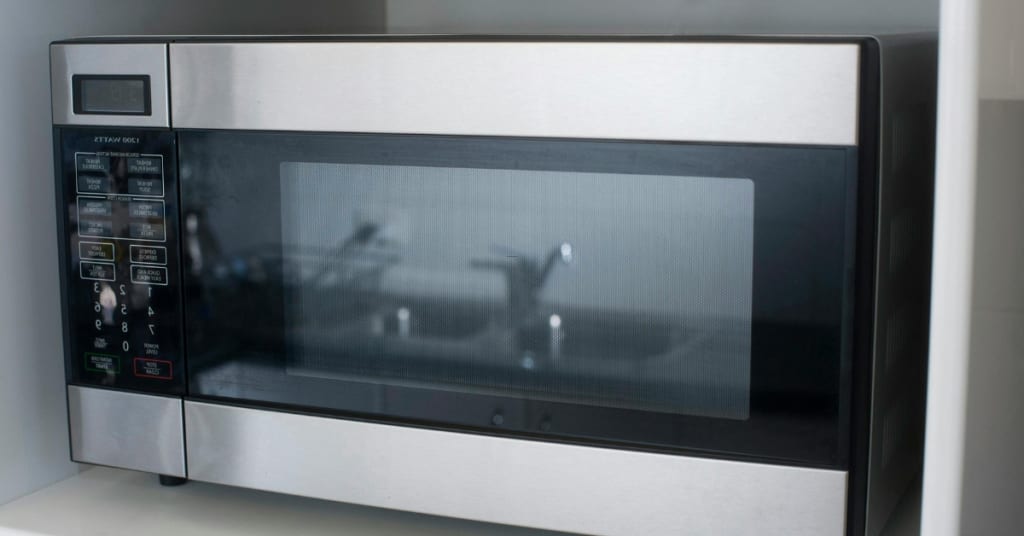
Market Overview
The microwave oven market is on an upward trajectory, poised to witness substantial growth in the coming years. As of 2024, the global microwave oven market is valued at USD 11.34 billion and is expected to reach USD 16.13 billion by 2033, growing at a compound annual growth rate (CAGR) of 3.98% from 2025 to 2033. The demand for microwave ovens is being fueled by changing consumer behavior, technological innovations, and the ever-growing desire for fast and convenient cooking solutions.
In this article, we explore the factors driving this growth, key market segments, technological advancements, regional dynamics, and the challenges that are influencing the microwave oven industry.
1. Market Growth Drivers: A Combination of Convenience and Efficiency
The demand for microwave ovens has surged over the past decade, primarily due to the convenience they offer. With increasingly hectic lifestyles and the desire for time-saving kitchen appliances, consumers have turned to microwave ovens as essential devices for quick meal preparation. There are several key factors that are contributing to the microwave oven market’s growth:
1.1 Increasing Demand for Fast and Convenient Cooking Solutions
With the fast-paced nature of modern life, especially in urban areas, consumers are looking for kitchen appliances that can save them time. Microwave ovens meet this need perfectly, providing quick meal preparation, reheating, and defrosting capabilities. Whether it's for busy professionals or families, the microwave oven is seen as an indispensable kitchen companion, capable of cooking everything from frozen dinners to full meals in record time. Additionally, the energy-efficient operation of microwave ovens makes them attractive for those looking to reduce their overall electricity consumption.
1.2 Urbanization and Rising Disposable Incomes
Urbanization is another driving force behind the market’s growth. As more people move to urban centers and households become smaller, there’s a growing demand for compact, multi-functional appliances that do not take up much space but offer maximum utility. Moreover, higher disposable incomes in many developing nations have allowed consumers to invest in advanced microwave ovens that offer additional features such as grilling, convection, and sensor-based cooking.
1.3 Technological Advancements and Smart Features
Technological innovations are revolutionizing the microwave oven market. Modern consumers are increasingly drawn to smart microwave ovens equipped with touch-screen controls, voice commands, Wi-Fi connectivity, and advanced cooking presets. These smart microwaves allow users to control their devices remotely, track food temperatures, and receive alerts when their cooking is complete. Furthermore, the energy-saving technologies incorporated into these devices have increased their appeal, especially among consumers who prioritize sustainability and eco-friendly solutions.
👉 For deeper analysis, detailed segment data, and company insights: 🔗 Request Customization Report
2. Market Segmentation: A Closer Look at Key Categories
The microwave oven market is highly diversified, with several categories that cater to different consumer preferences. These categories include the type, application, structure, power, and distribution channels of microwave ovens.
2.1 Types of Microwave Ovens
Microwave ovens come in several types to meet varying needs:
- Grill Microwave Ovens: These are equipped with a grilling function that allows consumers to grill food in addition to the regular microwave functions.
- Solo Microwave Ovens: These are the basic models, ideal for reheating and defrosting food.
- Conventional Microwave Ovens: These versatile units often come with additional features such as convection cooking or auto-cook presets.
2.2 Applications of Microwave Ovens
Microwave ovens serve both commercial and household applications:
- Commercial Use: In restaurants, offices, and cafeterias, microwave ovens are used to quickly heat or cook food in bulk.
- Household Use: These are the most common applications, where microwave ovens are used to prepare a variety of dishes at home.
2.3 Structure: Built-In vs. Countertop Models
The structure of a microwave oven is another key differentiator:
- Built-In Microwave Ovens: These models are integrated into the kitchen cabinetry, offering a more streamlined and modern look. They are ideal for users looking for space-saving solutions.
- Countertop Microwave Ovens: These are standalone models that are easy to install and move around. They are popular for households and offices where flexibility is required.
2.4 Power Ratings
Microwave ovens also vary in power, which influences cooking times and efficiency:
- Up to 700W: Basic models for simple reheating and defrosting.
- 701W - 900W: Mid-range power suitable for cooking a wider variety of foods.
- 901W - 1000W: High-powered models for faster and more efficient cooking.
- Above 1000W: Premium models offering advanced cooking features for quicker and more uniform results.
2.5 Distribution Channels: Online vs. Offline
The distribution channels for microwave ovens are divided into:
Online Sales: With the growing trend of online shopping, many consumers now prefer purchasing their appliances online, where they can easily compare prices and read customer reviews.
Offline Sales: Traditional brick-and-mortar stores continue to dominate in some regions, particularly for those who prefer to see and test the product before purchase.
3. Regional Market Overview: Where the Growth Is Happening
The microwave oven market has strong regional dynamics, with different areas driving the growth in unique ways.
3.1 United States Market
The U.S. is the largest market for microwave ovens in North America. The demand for convenience appliances continues to rise, especially due to the busy lifestyles of urban dwellers. Additionally, the growing popularity of ready-to-eat and frozen meals boosts the demand for microwave ovens. The increased female participation in the workforce also plays a role in creating a need for quick meal solutions, driving the market’s growth.
3.2 European Market (Germany)
In Europe, Germany is leading the market with its focus on energy-efficient appliances and high-quality kitchen equipment. Germans are highly conscious of energy consumption and are inclined toward purchasing advanced, eco-friendly products. Additionally, the adoption of smart home technologies, including smart microwaves integrated into connected kitchens, further boosts the demand for microwave ovens in the region.
3.3 Asia-Pacific (China and India)
In the Asia-Pacific region, China and India are emerging as key players in the microwave oven market. Urbanization and rising disposable incomes in both countries have resulted in increased demand for kitchen appliances. In China, the demand for affordable but feature-rich microwave ovens is growing, driven by a young, tech-savvy consumer base. Meanwhile, in India, the adoption of microwave ovens is expected to rise steadily as consumer preferences shift toward modern, time-saving kitchen solutions.
3.4 Middle East & Africa (UAE)
The UAE is experiencing rapid growth in the microwave oven market, particularly in high-income households and commercial establishments. The busy lifestyles of expatriates and locals are driving demand for quick meal solutions. The UAE’s growing hospitality sector also requires efficient appliances, further boosting the microwave oven market in the region.
4. Challenges in the Microwave Oven Market
Despite the favorable growth prospects, the microwave oven market faces several challenges:
- Intense Market Competition: A large number of brands in the market are competing for market share, driving price wars and leading to thinner profit margins for manufacturers.
- Environmental Sustainability: As consumers become more environmentally conscious, there is increasing pressure on manufacturers to create sustainable, energy-efficient products that use recyclable materials. The disposal of electronic waste is also a concern for the industry.
5. Conclusion: The Future of Microwave Ovens
The global microwave oven market is poised for sustained growth driven by consumer demand for speed, convenience, and energy efficiency. Technological advancements, including smart features and eco-friendly solutions, will continue to shape the market. The key players in the market will need to focus on innovation, cost-effectiveness, and sustainability to stay competitive. As urbanization and disposable incomes rise, particularly in emerging markets, the demand for microwave ovens will only increase, making them an essential appliance in modern kitchens worldwide.
About the Creator
Renub Research
Renub Research is a Market Research and Consulting Company. We have more than 15 years of experience especially in international Business-to-Business Researches, Surveys and Consulting. Call Us : +1-478-202-3244
Keep reading
More stories from Renub Research and writers in Journal and other communities.
On Snapchat, Does Blocking Someone Delete The Message You Saved?
On Snapchat, does blocking someone deletes the message you saved? It is a common question among Snapchat subscribers. You must thoroughly read this story if you'd like to understand what happens to texts and conversations after discarding or blocking individuals.
By Intelligent Creator5 days ago in Journal
Fair Exchange, No Robberies
Dark Memoirs - Index There are at least two kinds of people in the world: those who write this half-arsed kind of intro to a story that looks to separate the rare and the norm, and those who realise it's an overused framing device and don't.
By Paul Stewart6 days ago in Chapters




Comments
There are no comments for this story
Be the first to respond and start the conversation.