
Explore Seville Cathedral: History, Art, and Architecture
Seville Cathedral, also known as the Cathedral of Saint Mary of the See, stands as one of the most remarkable architectural and historical landmarks in Spain.

Seville Cathedral, also known as the Cathedral of Saint Mary of the See, stands as one of the most remarkable architectural and historical landmarks in Spain. Located in the heart of Seville, this awe-inspiring cathedral is the largest Gothic church in the world and a UNESCO World Heritage site. It draws millions of visitors annually who come to admire its grandeur, rich history, and artistic treasures.
A Brief History of Seville Cathedral
The origins of Seville Cathedral date back to the 15th century when it was built on the site of the city’s former Great Mosque. After the Reconquista, the mosque was converted into a Christian church, and in 1401, construction began on the magnificent Gothic cathedral that stands today. The builders aimed to create a church so grand that it would leave an everlasting impression. This ambitious project took more than a century to complete.
The cathedral reflects Seville’s multicultural history, blending Christian and Moorish influences. One of the most iconic elements retained from the mosque is the Giralda Tower, originally a minaret that now serves as the cathedral’s bell tower. This unique combination of styles and history makes Seville Cathedral a living symbol of the city’s rich past.
The Grandeur of Gothic Architecture
Seville Cathedral is a masterpiece of Gothic architecture. Its vast dimensions, pointed arches, and elaborate stone carvings are characteristic of this style. The cathedral covers more than 11,500 square meters, making it one of the largest religious structures in the world. The central nave rises to an impressive height of 42 meters, creating a breathtakingly grand interior space.
Inside, visitors are greeted by massive stone pillars and vaulted ceilings that seem to stretch endlessly upwards. The cathedral’s exterior is equally impressive, with intricate carvings, flying buttresses, and towering spires that dominate the Seville skyline. The attention to detail in every element of the architecture is a testament to the craftsmanship of the medieval builders.

Artistic Treasures and Religious Relics
Seville Cathedral is home to an extraordinary collection of art and religious relics. One of its most famous features is the High Altar, considered the largest altarpiece in the world. Covered in gold leaf, it depicts scenes from the life of Christ and the Virgin Mary and is a stunning example of Gothic artistry. The detail and craftsmanship of this massive altarpiece leave visitors in awe.
The cathedral’s chapels are filled with paintings by renowned Spanish artists, including Murillo, Zurbarán, and Goya. Each chapel tells a unique story, with altarpieces, sculptures, and decorative elements that reflect centuries of religious devotion and artistic evolution. The cathedral also houses an impressive collection of silver and gold religious artifacts, many of which are used during important religious ceremonies.
The Tomb of Christopher Columbus
One of the most significant attractions inside Seville Cathedral Tour is the tomb of Christopher Columbus. His remains are housed in an elaborate monument supported by four statues representing the kingdoms of Castile, León, Aragon, and Navarre. This grand tomb reflects Columbus’s importance in Spanish history as the man who opened the door to the New World.
For years, there was controversy over whether Columbus’s remains were truly in Seville. However, DNA tests confirmed that at least part of his body lies within the cathedral. Visitors from around the world come to pay their respects to this legendary explorer and learn more about his extraordinary life.
Climbing La Giralda Tower
The Giralda Tower is one of the most iconic landmarks in Seville and a highlight of any visit to the cathedral. Originally constructed as a minaret in the 12th century, it was converted into a bell tower during the Christian era. The Giralda stands at 104 meters tall and offers breathtaking views of Seville’s historic center.
Unlike traditional towers with stairs, the Giralda features a series of 35 gently sloping ramps, which were designed to allow riders on horseback to reach the top. As you ascend, you’ll pass through centuries of history, with each level offering a new perspective on the cathedral’s architecture. Once at the top, you’ll be rewarded with a panoramic view of the city, including the Alcázar, Plaza de España, and the surrounding Andalusian countryside.
The Patio de los Naranjos: A Place of Reflection
The Patio de los Naranjos is a peaceful courtyard located on the cathedral grounds. Originally part of the mosque, this courtyard was used for ritual ablutions. Today, it is a tranquil space filled with orange trees and a central fountain, providing a quiet retreat from the bustling city. The scent of orange blossoms and the sound of trickling water create a serene atmosphere, making it the perfect spot to reflect on the grandeur of the cathedral.
The courtyard’s Moorish arches and architectural details are a reminder of Seville’s Islamic past and the blend of cultures that have shaped the city over centuries. It is a favorite spot for visitors seeking to relax and enjoy a moment of calm during their tour.
A Must-Visit Destination in Spain
Seville Cathedral is more than just a place of worship—it is a living museum of history, art, and architecture. Its combination of Gothic splendor, historical significance, and artistic treasures makes it a must-visit destination for anyone traveling to Spain. Whether you’re a history enthusiast, an art lover, or simply someone seeking to experience the beauty of Seville, the cathedral offers something for everyone.
The Secrets of Seville Cathedral: A Guided Tour Experience
Seville Cathedral, known as the Cathedral of Saint Mary of the See, is a monumental Gothic structure with a rich and fascinating history. This architectural masterpiece, located in the heart of Seville, Spain, is one of the largest cathedrals in the world. Taking a guided tour of Seville Cathedral is the best way to uncover its hidden secrets, historical significance, and artistic treasures. Each corner of this magnificent structure holds a story waiting to be told.
A Glimpse into the History of Seville Cathedral
The history of Seville Cathedral dates back to the 12th century when the site was originally home to a mosque built during the Almohad rule. After the Christian Reconquista of Seville, the mosque was converted into a church. In 1401, it was decided that a grand Gothic cathedral would replace the mosque, a project that would take over a century to complete.
The construction of the cathedral was driven by the ambition to build something so impressive that, in the words of the cathedral’s founders, "future generations will think we were mad." Today, Seville Cathedral stands as a testament to that ambition, blending Christian and Moorish influences into a structure of unparalleled beauty.
Unveiling the Gothic Masterpiece
The architecture of Seville Cathedral is a striking example of Gothic design. Its immense size, pointed arches, and ribbed vaults leave visitors awestruck. The central nave rises to an impressive height of 42 meters, creating a breathtaking interior space. The exterior is adorned with intricate carvings, flying buttresses, and towering spires that dominate the skyline of Seville.
Inside the cathedral, the High Altar is a sight to behold. Covered in gold leaf, it is considered the largest altarpiece in the world. It features detailed scenes from the life of Christ and the Virgin Mary and serves as a stunning example of Gothic artistry. A guided tour offers insights into the symbolism and craftsmanship of this monumental work, allowing visitors to appreciate its significance fully.
The Mystery of Christopher Columbus’s Tomb
One of the most intriguing features of Seville Cathedral is the tomb of Christopher Columbus. The elaborate monument is supported by four figures representing the kingdoms of Castile, León, Aragon, and Navarre. For years, there was controversy surrounding whether Columbus’s remains were truly in Seville or if they had been relocated to the Dominican Republic.
In recent years, DNA testing confirmed that at least part of Columbus’s remains rest in Seville Cathedral. A guided tour provides detailed information on this fascinating story and highlights the tomb’s historical and cultural importance. Visitors from around the world come to pay homage to this legendary explorer and learn about his journey to the New World.
Exploring La Giralda: The Tower with a Story
La Giralda, the cathedral’s iconic bell tower, is one of Seville’s most recognizable landmarks. Originally constructed in the 12th century as a minaret for the mosque, it was later converted into a bell tower during the Christian era. Its design blends Islamic and Renaissance architectural styles, making it a unique symbol of Seville’s multicultural heritage.
Climbing La Giralda is an essential part of any guided tour. Unlike traditional towers with staircases, La Giralda features 35 gently sloping ramps that were once used by riders on horseback to reach the top. At the summit, visitors are rewarded with panoramic views of Seville’s historic center, the Guadalquivir River, and nearby landmarks like the Alcázar and Plaza de España.
Hidden Treasures and Chapels
Beyond the main altar and the Giralda, Seville Cathedral is home to numerous chapels, each with its own unique story and artistic treasures. Guided tours often take visitors to lesser-known parts of the cathedral, revealing hidden gems that might otherwise be overlooked. These chapels house paintings, sculptures, and relics from some of Spain’s most renowned artists, including Murillo, Zurbarán, and Goya.
One of the most fascinating areas of the cathedral is the Sacristy, which holds an impressive collection of silver and gold religious artifacts. The detailed craftsmanship of these objects reflects the wealth and power of the church during its heyday. Visitors on a guided tour gain a deeper understanding of these treasures and their role in the cathedral’s history.

The Enchanting Patio de los Naranjos
The Patio de los Naranjos, or Courtyard of the Orange Trees, is a tranquil space adjacent to the cathedral. Originally part of the mosque’s ablution area, it retains its Moorish charm with a central fountain and rows of fragrant orange trees. The patio is a peaceful retreat where visitors can take a break and reflect on the beauty and history of the cathedral.
A guided tour of the patio reveals its historical significance and connection to the city’s Islamic past. The combination of Gothic and Moorish elements makes this space truly unique, offering a glimpse into Seville’s diverse cultural heritage.
Practical Tips for Visiting Seville Cathedral
To make the most of your visit to Seville Cathedral, it is advisable to join a guided tour. Experienced guides provide valuable context, bringing the history, art, and architecture of the cathedral to life. Tours typically last about an hour and a half, giving visitors plenty of time to explore the highlights and hidden corners of this remarkable site.
Arriving early in the morning or late in the afternoon helps avoid large crowds, especially during peak tourist seasons. Comfortable shoes are essential for the climb up La Giralda, and don’t forget to bring a camera to capture the stunning views from the top.
Conclusion: A Journey Through History and Art
A guided tour of Seville Cathedral is an unforgettable journey through centuries of history, art, and culture. From the breathtaking Gothic architecture to the intriguing mysteries of Columbus’s tomb and the panoramic views from La Giralda, every moment spent here is a testament to Seville’s rich heritage.
Whether you are a history enthusiast, an art lover, or simply a curious traveler, Seville Cathedral offers an unparalleled experience. Its secrets and stories will leave you with a deeper appreciation for the beauty and complexity of this iconic landmark.
About the Creator
Keep reading
More stories from In Marketing and writers in Journal and other communities.
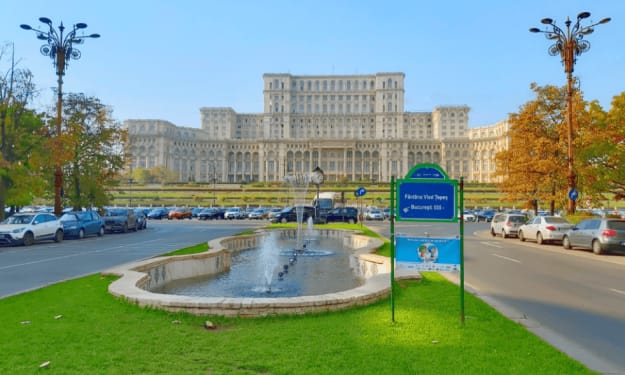
Palace Parliament: A Symbol of History and Power
The Palace of Parliament in Bucharest, Romania, stands as a monumental symbol of history and power. As one of the largest and heaviest buildings in the world, it represents an extraordinary achievement in architecture and engineering. However, beyond its architectural grandeur, the building also tells a story of ambition, control, and transformation. This article explores the history, design, cultural significance, and legacy of the Palace of Parliament, offering insight into why it remains a remarkable landmark in modern Europe.
By In Marketingabout a year ago in Journal
How to Master the Art of Island Hopping Without Missing a Single Sunset
Island hopping often looks effortless in photographs, yet the reality can feel rushed when travel days start to dominate the schedule. Sunsets, which quietly shape the rhythm of island life, are usually the first thing lost when routes and timing are poorly judged. With a more deliberate approach, island hopping can feel slower and more balanced, allowing each day to end in place rather than in transit.
By Jeewanthi Armstrong4 days ago in Journal


Comments
There are no comments for this story
Be the first to respond and start the conversation.