
Palace Parliament: A Symbol of History and Power
The Palace of Parliament in Bucharest, Romania, stands as a monumental symbol of history and power. As one of the largest and heaviest buildings in the world, it represents an extraordinary achievement in architecture and engineering.
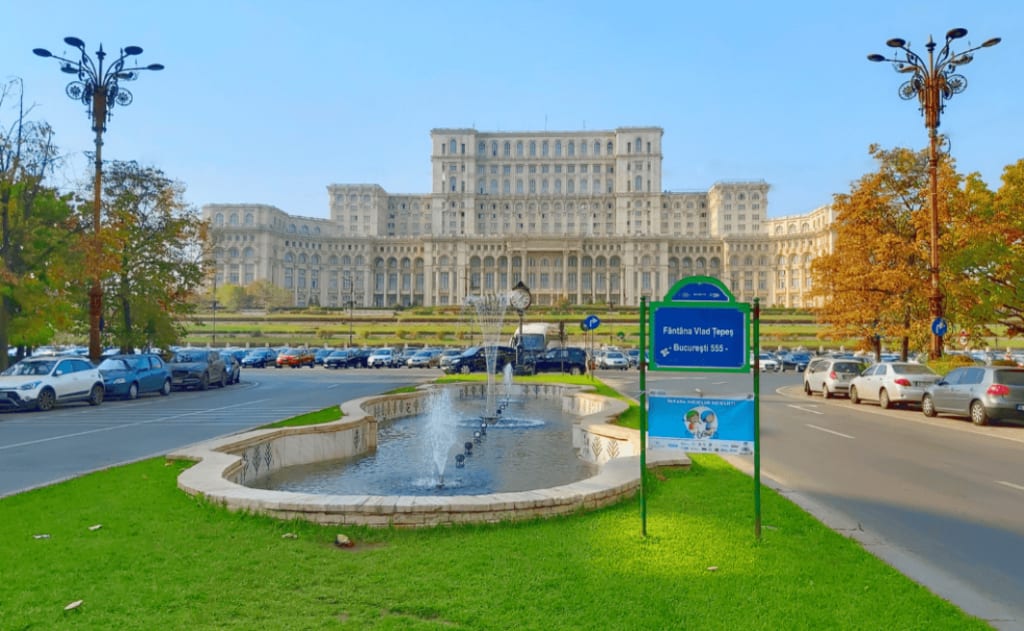
The Palace of Parliament in Bucharest, Romania, stands as a monumental symbol of history and power. As one of the largest and heaviest buildings in the world, it represents an extraordinary achievement in architecture and engineering. However, beyond its architectural grandeur, the building also tells a story of ambition, control, and transformation. This article explores the history, design, cultural significance, and legacy of the Palace of Parliament, offering insight into why it remains a remarkable landmark in modern Europe.
The Historical Origins of the Palace of Parliament
The Palace of Parliament, originally known as the People’s House, was constructed during the communist era under Nicolae Ceaușescu’s regime. Ceaușescu envisioned the building as the centerpiece of his ambitious plan to reshape Bucharest into a modern socialist capital. Construction began in 1984, involving thousands of workers and using materials exclusively from Romania. The project required the demolition of numerous historical buildings, churches, and homes, leaving a significant mark on the city’s landscape. Though Ceaușescu was overthrown and executed in 1989 before its completion, the Palace remains a testament to that turbulent chapter in Romania’s history.
An Architectural Masterpiece
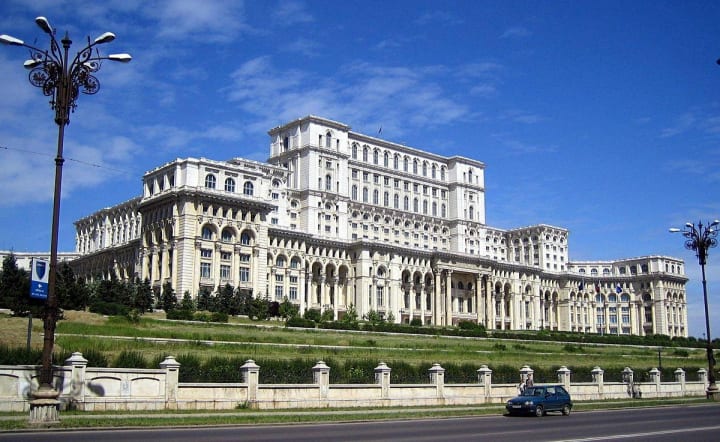
The Palace of Parliament is a stunning example of neo-classical architecture combined with modern influences. Designed by Romanian architect Anca Petrescu, it covers a vast area of 365,000 square meters. The building’s symmetrical design, grand columns, and massive size give it a commanding presence. Every element of its construction reflects luxury and meticulous craftsmanship, with extensive use of marble, crystal, and wood sourced from various parts of Romania. Its 12 floors above ground and 8 underground levels house over 1,000 rooms, each uniquely designed with intricate details.
Interior Splendor and Design Details
The interior of the Palace Parliament is nothing short of breathtaking. Lavish decorations adorn every corner, from marble staircases to gold-plated details and handcrafted woodwork. The ceilings are adorned with elaborate frescoes, while crystal chandeliers illuminate the grand halls. Some of the most notable rooms include the Hall of Human Rights and the Hall of the Union, which feature towering ceilings, vast carpets, and monumental doors. The building’s interior design showcases a blend of traditional Romanian craftsmanship and opulent luxury, making it a true work of art.
The Palace’s Role in Modern Romania
Today, the Palace of Parliament serves multiple purposes. It is the official seat of the Romanian Parliament, housing the Chamber of Deputies and the Senate. Additionally, it is home to several cultural institutions, such as the National Museum of Contemporary Art (MNAC) and the Museum of Communist Totalitarianism. The building also hosts various conferences, exhibitions, and events, blending its political role with cultural significance. While initially built as a statement of power, it has since evolved into a space that reflects Romania’s modern identity and cultural heritage.
A Building of Records and Superlatives
The Palace of Parliament is known for its record-breaking features. It is the heaviest building in the world, with an estimated weight of over 4 million tons. It is also the second-largest administrative building globally after the Pentagon. The palace contains the most extensive collection of crystal chandeliers in Europe and boasts one of the world’s largest carpets, covering the floor of its grand meeting rooms. These impressive achievements add to the building’s mystique, making it a site of fascination for architects and tourists alike.
Controversy and Criticism
Despite its grandeur, the Palace of Parliament has not escaped controversy. Many Romanians associate it with the oppressive legacy of the communist regime. Its construction displaced tens of thousands of residents and consumed a significant portion of the nation’s resources during a time of economic hardship. For some, it represents excess and dictatorship. However, others view it as a national treasure and an architectural marvel that deserves preservation. Its dual identity as both a symbol of pain and a source of pride makes it a unique landmark in Romania’s history.
Visiting the Palace of Parliament
For those interested in experiencing the Palace of Parliament firsthand, guided tours are available throughout the year. Visitors can explore the palace’s grand halls, ornate chambers, and some of its underground levels. The National Museum of Contemporary Art offers an added cultural dimension, showcasing works by Romanian and international artists. Given its status as an active parliamentary building, visitors are advised to book their tours in advance and adhere to security protocols.
Palace Parliament: Where History Meets Politics
The Palace of Parliament, located in Bucharest, Romania, stands as a remarkable blend of history, architecture, and politics. Known for its grandeur and complexity, this monumental structure is not only a significant administrative building but also a symbol of Romania’s turbulent past and evolving identity. The Palace serves as the seat of the Romanian Parliament, but it is much more than just a political center. It reflects a powerful narrative of ambition, transformation, and cultural heritage, making it one of the most iconic landmarks in the country.
The Historical Foundation of the Palace
The story of the Palace of Parliament dates back to the early 1980s during the communist regime of Nicolae Ceaușescu. Ceaușescu envisioned the building as a symbol of the power and prosperity of his government. Known initially as the People’s House, it was part of an ambitious urban project aimed at transforming Bucharest into a showcase of socialist progress. The construction began in 1984, and thousands of workers, including architects and engineers, were mobilized to create this colossal structure. Although the communist regime ended abruptly in 1989, the building stands as a reminder of that tumultuous period in Romanian history.
A Masterpiece of Architecture and Design
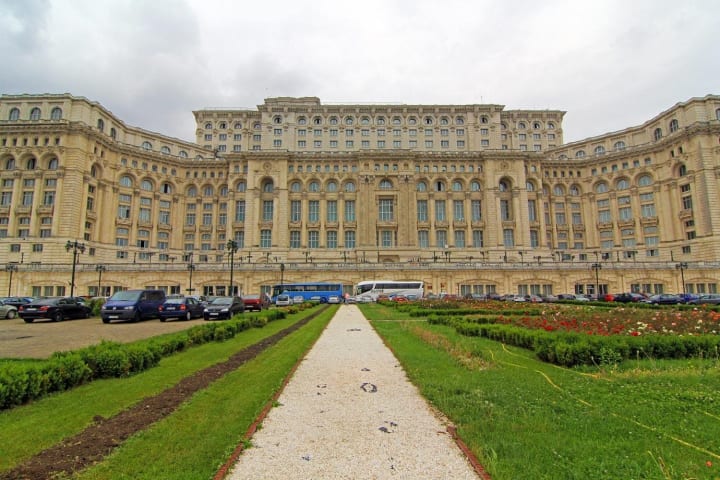
The Palace of Parliament is a stunning example of neo-classical architecture with modernist influences. Romanian architect Anca Petrescu led the design of the building, which covers an astonishing 365,000 square meters. It features grand facades, monumental columns, and intricately decorated interiors. The building was constructed almost entirely using Romanian materials, including marble, wood, and crystal, showcasing the country’s natural resources and craftsmanship. Its 12 floors above ground and 8 underground levels house over 1,000 rooms, each designed with meticulous detail and luxury.
The Lavish Interior of the Palace
The interior of the Palace of Parliament is as impressive as its exterior. Every room is a work of art, adorned with hand-carved wood, marble staircases, velvet curtains, and gold-plated decorations. Massive crystal chandeliers light the grand halls, while intricate mosaics and frescoes cover the ceilings. The Hall of Human Rights and the Hall of the Union are among the most iconic spaces, reflecting a blend of Romanian traditional motifs and opulent design. Walking through the halls of the palace is like stepping into a world of grandeur and historical significance.
The Palace as a Political Hub
The Palace of Parliament is not just an architectural marvel; it is also the center of Romania’s political life. It serves as the headquarters for both the Chamber of Deputies and the Senate. Parliamentary sessions, political debates, and major national decisions take place within its walls. Its political role makes the palace a symbol of power and governance. However, it also plays an important part in Romania’s evolving democracy, representing a shift from its authoritarian past to a more open and democratic society.
Cultural Significance and Modern Use
In addition to its political role, the Palace of Parliament has become a significant cultural landmark. It houses the National Museum of Contemporary Art (MNAC), which features a diverse collection of Romanian and international works. The building also serves as a venue for cultural events, exhibitions, and conferences. Its dual function as a political and cultural hub makes it a unique space where history, politics, and art come together. For visitors, it offers a glimpse into both Romania’s past and its creative present.
A Building of Superlatives
The Palace of Parliament is one of the most impressive structures in the world. It is the heaviest building ever constructed, with an estimated weight of over 4 million tons. It is also the second-largest administrative building in the world, surpassed only by the Pentagon. The palace contains an extensive collection of crystal chandeliers, elaborate carpets, and handcrafted furniture, all contributing to its reputation as a building of superlatives. These remarkable features continue to attract architects, historians, and tourists from around the globe.
Controversy and Legacy
Despite its grandeur, the Palace of Parliament remains a controversial structure. Its construction displaced thousands of people and led to the destruction of historic neighborhoods and churches. For many Romanians, it is a painful reminder of the excesses of the communist regime and the sacrifices made during that time. However, others view it as a part of Romania’s identity and a symbol of national pride. Its legacy is a complex one, blending elements of power, resilience, and transformation.
Visiting the Palace of Parliament
Today, the Palace of Parliament is open to the public, offering guided tours that reveal its history and architectural wonders. Visitors can explore its grand chambers, climb its marble staircases, and marvel at the craftsmanship that went into every detail. The National Museum of Contemporary Art provides an additional layer of interest, showcasing Romania’s vibrant modern art scene. Due to the building’s active political role, tours must be booked in advance, but the experience is well worth the effort.
Conclusion
The Palace of Parliament is a powerful symbol where history and politics converge. Its massive scale, architectural beauty, and historical significance make it a landmark that captures the essence of Romania’s past and present. Whether viewed as a relic of the communist era or an architectural masterpiece, it continues to inspire awe and curiosity. Visiting the Palace of Parliament is not just an exploration of a building—it is an opportunity to connect with the complex and fascinating story of Romania.
About the Creator
Keep reading
More stories from In Marketing and writers in Journal and other communities.
Mount Vesuvius Hike: Reach the Summit and Peer Into the Crater
Mount Vesuvius, one of the most famous volcanoes in the world, is an iconic symbol of Italy's natural beauty and geological power. Located near Naples, this stratovolcano is renowned for its catastrophic eruption in AD 79, which buried the cities of Pompeii and Herculaneum. Today, Mount Vesuvius is a popular hiking destination, attracting adventure seekers and nature lovers eager to explore its stunning landscapes and peer into its crater. This article will guide you through the experience of hiking Mount Vesuvius, from preparation to the breathtaking views at the summit.
By In Marketing12 months ago in Journal
The goals I did not achieve
Every writing goal I made for the year is a wash. It has been this way for a while, but I think it's important to be open about my failures and the reality of how life can get in the way. This is especially true considering the several times I have posted on Vocal about my writing goals, how I was changing my approach, and where I was hoping to be for the upcoming year. I will probably do that again in a couple months, but for now, it is time to acknowledge where I am today.
By Kay Husnick23 days ago in Journal
The Councils of the Church and Why They Were Important
The Catholic Church has faced countless challenges since its founding, from doctrinal disputes to external persecution. One of the most important ways the Church has maintained unity, clarified its teachings, and preserved the faith is through ecumenical and local councils. Church councils are formal gatherings of bishops and Church leaders to deliberate on matters of doctrine, discipline, and practice. These gatherings have shaped Christianity as we know it today, ensuring that the Church remains faithful to the teachings of Christ and the apostles.
By Sound and Spirit4 days ago in Journal




Comments
There are no comments for this story
Be the first to respond and start the conversation.