
Europe’s Generals Are Warning People to Prepare for War
From rising geopolitical tensions to renewed focus on civil defense, military leaders across Europe say the continent must be ready for a more dangerous future.

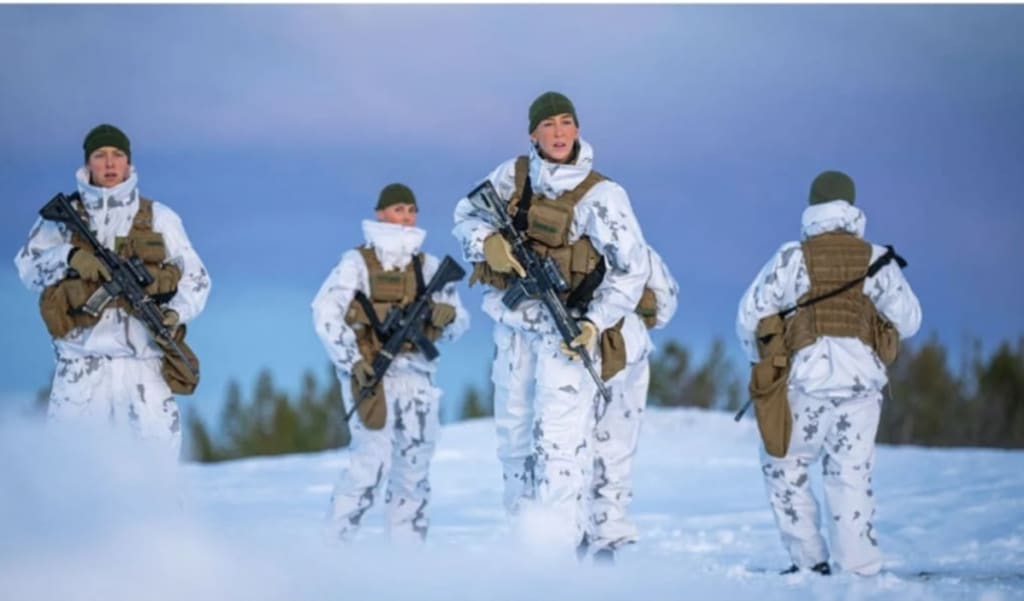
In recent months, a striking message has been emerging from Europe’s top military leadership: the continent must prepare for the possibility of war. Statements from generals, defense chiefs, and security officials across NATO and the European Union have been unusually direct, urging governments and civilians alike to rethink assumptions about long-term peace. While these warnings are not calls for panic, they reflect a sobering reassessment of Europe’s security environment in a world marked by growing instability.
A Changing Security Landscape
For decades after the end of the Cold War, much of Europe enjoyed what many believed was a permanent peace dividend. Defense budgets were reduced, armies were downsized, and the idea of large-scale conflict on European soil seemed increasingly remote. That confidence has now been shaken.
Russia’s war in Ukraine is the most immediate catalyst behind the renewed warnings. The conflict has demonstrated that conventional warfare between states is no longer a theoretical concern but a real and ongoing threat. European generals frequently point out that the war has reshaped strategic thinking, proving that borders can still be challenged by force and that prolonged, high-intensity conflict is possible even in the modern era.
Beyond Ukraine, military leaders also cite broader global tensions. Rivalries between major powers, instability in the Middle East, cyber warfare, disinformation campaigns, and the weaponization of energy and supply chains all contribute to a sense that Europe is entering a more volatile period.
Why Generals Are Speaking Out
It is relatively rare for military leaders to address the public so openly about the risk of war. Traditionally, such discussions are confined to closed-door briefings with political leaders. The fact that generals are now speaking publicly signals the seriousness of their concerns.
One reason for this openness is preparedness. European defense officials argue that societies must understand the realities of modern conflict in order to respond effectively. War today, they warn, would not only involve soldiers on the front lines but also civilians, infrastructure, and digital systems. Power grids, communication networks, transportation hubs, and even food supplies could be affected.
Another motivation is political. By highlighting potential risks, generals hope to influence policymakers to invest more in defense and resilience. Many European countries are increasing military spending, modernizing equipment, and strengthening alliances, but defense leaders argue that progress must be faster and more coordinated.
Preparing Society, Not Just Armies
One of the most notable aspects of recent warnings is the emphasis on civilian readiness. Generals stress that preparing for war does not mean expecting it tomorrow, but rather building resilience so societies can withstand shocks.
This includes strengthening civil defense systems, improving emergency planning, and ensuring that citizens know how to respond during crises. In some countries, discussions have revived around shelters, emergency supplies, and public awareness campaigns—measures that were common during the Cold War but later fell out of favor.
Cybersecurity is another key concern. Military leaders warn that future conflicts will likely begin long before any shots are fired, through cyberattacks on hospitals, banks, and government services. Preparing for war, in this sense, means investing in digital defenses and educating the public about misinformation and hybrid threats.
NATO, the EU, and Collective Defense
Europe’s generals consistently emphasize that no country can face these challenges alone. NATO remains the cornerstone of European security, and recent developments—including the expansion of the alliance and increased joint exercises—reflect a renewed commitment to collective defense.
At the same time, the European Union is playing a growing role in security matters. Initiatives aimed at boosting defense cooperation, coordinating arms production, and reducing reliance on external suppliers are gaining momentum. Military leaders argue that a stronger, more self-reliant Europe will be better positioned to deter aggression and manage crises.
Deterrence, they stress, is the ultimate goal. By demonstrating readiness and unity, Europe hopes to prevent conflict rather than provoke it. The warnings from generals are framed not as predictions of inevitable war, but as reminders that peace must be actively maintained.
Public Reaction and Debate
The public response to these warnings has been mixed. Some citizens see them as realistic and necessary, given recent events. Others worry that such rhetoric could increase fear or contribute to militarization. Critics argue that focusing too heavily on war risks diverting resources from social needs and diplomacy.
Military leaders respond by emphasizing balance. They acknowledge the importance of diplomacy, economic stability, and social cohesion, but insist that these efforts must be backed by credible defense capabilities. In their view, preparedness is not the opposite of peace—it is a condition for preserving it.
Looking Ahead
As Europe navigates an uncertain future, the warnings from its generals serve as a wake-up call. The assumption that large-scale conflict is a relic of the past no longer holds. Instead, defense leaders urge a realistic understanding of risks and a collective effort to strengthen resilience.
Preparing for war, they argue, does not mean surrendering to fear. It means acknowledging the complexities of the modern world, investing in security and unity, and ensuring that societies are strong enough to withstand pressure. Whether these warnings lead to lasting change will depend on political will, public engagement, and Europe’s ability to learn from the challenges of the present.
In the end, the message from Europe’s generals is clear: peace is not guaranteed, but with foresight, cooperation, and preparedness, it can still be protected.
About the Creator
Muhammad Hassan
Muhammad Hassan | Content writer with 2 years of experience crafting engaging articles on world news, current affairs, and trending topics. I simplify complex stories to keep readers informed and connected.
Keep reading
More stories from Muhammad Hassan and writers in Journal and other communities.
Nobel Peace Prize Recognition: Honoring Efforts for Global Harmony
The Nobel Peace Prize is arguably the most esteemed global recognition for individuals and organizations that have significantly contributed to promoting peace, resolving conflicts, and advancing human rights. Since its inception in 1901, the award has served as a beacon of hope, shining a light on those who dedicate their lives to reducing violence, fostering dialogue, and championing justice. While the prize has often stirred debate over its recipients, its influence in inspiring change and global awareness remains undeniable. The Origins of the Nobel Peace Prize The Nobel Peace Prize is one of five original Nobel Prizes established by the will of Alfred Nobel, the Swedish inventor of dynamite. Surprisingly, Nobel, known for his contributions to explosives, had a deep concern for peace. His 1895 will specified that the Peace Prize should be awarded to “the person who shall have done the most or the best work for fraternity between nations, for the abolition or reduction of standing armies, and for the holding and promotion of peace congresses.” The prize is awarded annually by the Norwegian Nobel Committee, a five-member panel appointed by the Norwegian Parliament. Unlike other Nobel Prizes awarded in Sweden, the Peace Prize’s Norwegian administration reflects Norway’s historical role in diplomacy and its commitment to international cooperation. Criteria for Recognition Winning the Nobel Peace Prize is not simply about achieving fame or political popularity. Recipients are evaluated based on their tangible contributions toward: Conflict resolution: Mediation between warring parties or negotiating peace agreements. Human rights advocacy: Promoting justice, equality, and freedom for marginalized communities. Global cooperation: Encouraging international collaboration for social, political, or environmental goals. Past laureates like Martin Luther King Jr., Mother Teresa, Malala Yousafzai, and Barack Obama have been recognized for diverse but impactful efforts—ranging from civil rights activism to international diplomacy and education advocacy. Impact on Recipients and Global Society Recognition by the Nobel Peace Prize often amplifies the voice of recipients and their causes. The award not only provides a financial grant but also global visibility, increasing public support and international credibility. For organizations, it can boost fundraising and expand operational reach, while for individuals, it can provide a platform to influence global policy. For example, Malala Yousafzai, who won the prize in 2014, has leveraged her recognition to advocate for girls’ education worldwide, influencing governments and policymakers across continents. Similarly, peace organizations such as the International Campaign to Ban Landmines have successfully advanced humanitarian initiatives thanks to the prestige and attention accompanying the award. Controversies and Debates Despite its prestige, the Nobel Peace Prize is not immune to controversy. Some critics argue that the committee occasionally awards individuals or organizations whose actions may not align perfectly with the ideals of peace. For instance, Barack Obama’s 2009 recognition drew debate, as many believed his accomplishments at the time had yet to materialize fully in the context of global peace. Additionally, geopolitical considerations sometimes influence perceptions of fairness. Critics point out that the prize can reflect political statements or Western-centric perspectives. Nevertheless, such debates also highlight the complexity of defining “peace” in a world often marked by conflict, inequality, and moral ambiguity. The Prize and Global Awareness Beyond recognizing individual achievements, the Nobel Peace Prize plays a vital role in raising awareness about critical global issues. Each announcement prompts discussion, media coverage, and public discourse on topics like nuclear disarmament, human rights violations, environmental sustainability, and conflict zones. This awareness can mobilize governments, NGOs, and citizens to take action, proving that the prize’s influence extends far beyond a single ceremony in Oslo. Inspiring Future Generations One of the Nobel Peace Prize’s most enduring contributions is its power to inspire. Young activists and global citizens often see laureates as role models, proving that dedication, courage, and moral conviction can change the world. From grassroots community organizers to international diplomats, the recognition encourages a culture where striving for peace is not just admired but pursued actively. Looking Forward As the 21st century presents new challenges—climate crises, cyber warfare, global pandemics, and ongoing conflicts—the role of the Nobel Peace Prize remains crucial. It serves not only as recognition of past achievements but also as a call to action for future generations to tackle the pressing issues that threaten global harmony. The award reminds us that peace is not merely the absence of war but a proactive endeavor to build justice, cooperation, and empathy worldwide. Conclusion The Nobel Peace Prize is more than a prestigious accolade; it is a symbol of humanity’s highest aspirations. Through recognition, the award inspires action, elevates voices, and encourages global dialogue on peace and justice. While debates over selections may persist, the overarching message remains clear: efforts to foster peace are invaluable, and those committed to making the world a better, safer, and fairer place deserve acknowledgment. By honoring champions of peace, the Nobel Peace Prize continues to serve as a guiding light, reminding humanity that even in the face of conflict and uncertainty, hope, collaboration, and courage can prevail.
By Muhammad Hassan14 days ago in The Swamp
The goals I did not achieve
Every writing goal I made for the year is a wash. It has been this way for a while, but I think it's important to be open about my failures and the reality of how life can get in the way. This is especially true considering the several times I have posted on Vocal about my writing goals, how I was changing my approach, and where I was hoping to be for the upcoming year. I will probably do that again in a couple months, but for now, it is time to acknowledge where I am today.
By Kay Husnick22 days ago in Journal
The Lost Soviet Mission to the Moon. How a Single Typo Caused a Catastrophe.
The Cold War pushed space programs to the edge. You saw rockets rise as symbols of power. You also saw secrets fall into silence. One mission aimed at the Moon never returned. Its failure stayed buried for years. Declassified records now tell a harsh story. A small typing error set off a chain reaction. The result ended a lunar dream.
By Wilson Igbasi4 days ago in Journal


Comments (1)
🤦🏼♂️ Plagiarised the entire article from The Economist. Probably used AI to paraphrase and didn't contribute a single word. Even stole THE IMAGE from The Economist article. FFS.