
Europe Protein Market Forecast 2025–2033
Rising health awareness, plant-based alternatives, and technological innovation drive protein consumption across Europe.

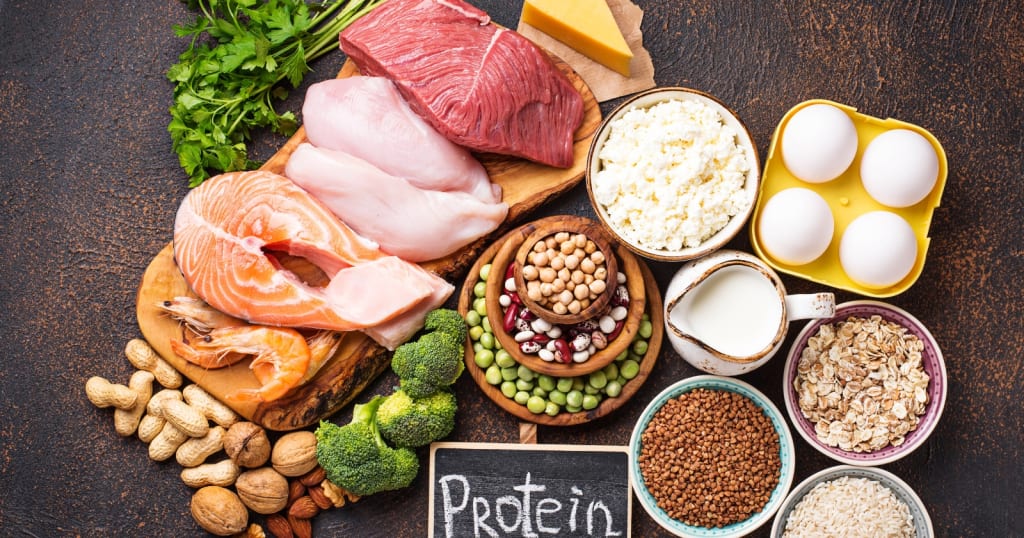
Europe Protein Market Overview
According to Renub Research Project Report Europe Protein Market is projected to grow from US$ 5.68 billion in 2024 to US$ 9.26 billion by 2033, at a CAGR of 5.60% during 2025–2033.
This growth is driven by increasing consumer demand for diverse protein sources, health and wellness trends, technological advancements in protein extraction and processing, sustainability initiatives, and the rising popularity of protein-enriched foods and supplements.
The European protein market encompasses animal, plant, and microbial proteins. Animal proteins include milk protein, whey, egg, collagen, and insect protein, while plant proteins include pea, soy, rice, wheat, and hemp protein. Microbial proteins such as algae protein and mycoprotein are gaining traction due to their sustainability and health benefits.
Growth Drivers
1. Health and Wellness Trends
Rising consumer awareness of protein’s role in immunity, weight management, and muscle repair is driving demand.
Consumers are seeking protein-rich breakfast, snack, and meal options.
Both animal-based and plant-based proteins are gaining popularity, balancing nutrition, ethical considerations, and sustainability.
2. Fitness and Active Lifestyles
Young, active populations are increasingly consuming protein shakes, bars, and supplements for muscle repair and performance enhancement.
Fitness-driven lifestyles contribute to rising protein-enriched food and beverage consumption, not limited to athletes.
3. Sustainability Concerns
Environmental awareness has encouraged a shift toward plant-based proteins due to lower ecological footprints.
Legumes, peas, soy, and other plant proteins are preferred over traditional animal proteins for their lower greenhouse gas emissions and water usage.
Growth of plant-based meat substitutes aligns with sustainability and ethical consumption trends.
Challenges
1. Supply Chain Disruptions
Outbreaks such as avian influenza or African swine fever affect livestock supply, impacting protein availability.
Geopolitical tensions, tariffs, and logistical bottlenecks can delay cross-border movement, increasing costs and reducing availability.
2. Price Volatility
Fluctuating raw material costs, particularly grains and feed, impact production costs for animal proteins.
Energy price fluctuations further complicate pricing, pressuring manufacturers to maintain competitive products while ensuring profitability.
Regional Insights
France
Significant demand for both animal and plant-based proteins.
Growing popularity of plant-based meat alternatives and protein-enriched foods.
Ethical sourcing and sustainability drive consumer choices.
United Kingdom
Active wellness culture fuels protein consumption.
Rising demand for plant-based proteins alongside traditional animal sources.
Sustainability and animal welfare considerations influence consumer preferences.
Germany
One of Europe’s largest protein markets.
High consumption of pork and poultry, with plant-based alternatives gaining traction.
Supplements, snacks, and ready-to-eat high-protein meals are increasingly popular among younger consumers.
Italy
Culinary culture emphasizes pork, beef, and chicken as primary protein sources.
Health and sustainability trends boost interest in plant-based proteins and protein-enriched foods.
Other notable markets include Belgium, Netherlands, Russia, Spain, Turkey, and the rest of Europe, reflecting rising adoption of protein-enriched diets across the region.
👉 For deeper analysis, detailed segment data, and company insights: 🔗 Request Customization Report
By Type
Animal Protein: Casein & Caseinates, Collagen, Gelatin, Insect Protein, Milk Protein, Whey Protein, Egg Protein, Others
Plant Protein: Hemp, Pea, Rice, Soy, Wheat, Others
Microbial Protein: Algae Protein, Mycoprotein
By End User
Animal Feed
Food & Beverages: Bakery, Beverages, Breakfast Cereals, Condiments/Sauces, Confectionery, Dairy/Dairy Alternatives, RTE/RTC Food, Snacks
Personal Care & Cosmetics
Supplements: Baby Food & Infant Formula, Elderly & Medical Nutrition, Sport/Performance Nutrition
By Country
Belgium, France, Germany, Italy, Netherlands, Russia, Spain, Turkey, United Kingdom, Rest of Europe
Key Market Players
3fbio Ltd
Archer Daniels Midland Company (ADM)
Arla Foods AMBA
Darling Ingredients Inc.
Groupe LACTALIS
International Flavors & Fragrances, Inc. (IFF)
Kerry Group plc
Laita
Roquette Frère
Royal FrieslandCampina N.V
Focus Areas:
Product innovation and launches
Expanding production capacities (e.g., Roquette’s USD 49M investment in pea protein)
Sustainable and ethical protein solutions
Regional and global market expansion
Market Outlook
Consumer preference for plant-based proteins will continue to grow due to health, sustainability, and ethical concerns.
Technological advancements in protein extraction, processing, and formulations will diversify product portfolios.
Protein-enriched foods and supplements will see increasing adoption across all age groups, supporting market expansion.
Companies that focus on sustainability, innovation, and convenience are expected to dominate the market.
Europe’s protein market is positioned for steady growth and innovation, driven by evolving dietary trends, technological progress, and environmental consciousness.
Note: If you need details, data, or insights not covered in this report, we are glad to assist. Through our customization service, we will collect and deliver the information you require, tailored to your specific needs. Share your requirements with us, and we will update the report to align with your expectations.
About the Creator
Diya Dey
Market Analyst
The goals I did not achieve
Every writing goal I made for the year is a wash. It has been this way for a while, but I think it's important to be open about my failures and the reality of how life can get in the way. This is especially true considering the several times I have posted on Vocal about my writing goals, how I was changing my approach, and where I was hoping to be for the upcoming year. I will probably do that again in a couple months, but for now, it is time to acknowledge where I am today.
By Kay Husnick16 days ago in Journal
China requests that the US "stop toppling" the Venezuelan government and free Maduro.
China has urged the US to free Venezuelan President Nicolas Maduro right away after Washington launched huge military attacks on Caracas, the country's capital, and other areas, kidnapping the leader.
By Francis Dami7 days ago in Journal


Comments
There are no comments for this story
Be the first to respond and start the conversation.