
Europe Opens Doors to American Biotechnology Is Europe Becoming the New Hub for Medicine Manufacturing?
Medicine Manufacturing
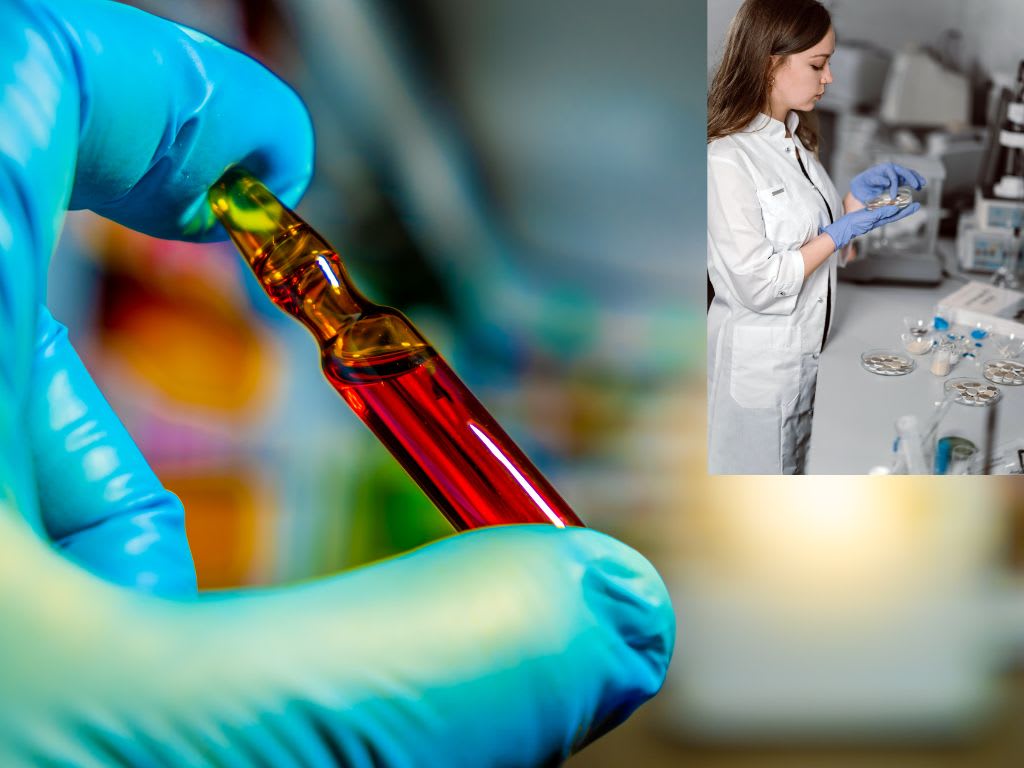
The recent decision by the U.S. administration to repeal Executive Order 14081, which had been key in promoting the development of the biotech sector, has raised concerns among many stakeholders in the biochemical industry. This order had previously served as a foundational platform for strategic investments, support for innovation, and strengthening the competitiveness of the U.S. biosector responsible for Medicine manufacturing and testing. The withdrawal of support has sparked questions about the future of numerous innovative projects and the overall direction of the industry. In this context, European leaders in biotechnology have recognized an opportunity and are calling on American companies to consider relocating their operations to the European continent.
A Booming European Biotech Scene
The life sciences sector within Europe experiences a revival phase. The region showcases global academic leadership through its established pharmaceutical industries combined with rising biotech startup development which solidifies its innovation capabilities. These countries lead the European transformation: Germany, France, the Netherlands, Belgium along with Switzerland. The regions present contemporary research facilities alongside trained professionals together with major investments from both private and public sectors to boost development.
Since 2019 the European Medicines Agency (EMA) has based its operations from Amsterdam while steadily facilitating regulatory procedures. EMA’s unified Medicine approval system enables pharmaceutical products to receive authorization for every EU member nation at once which creates an essential benefit for firms wishing to expand their market reach.
European Invitations to U.S. Biotech Companies
European stakeholders are increasingly sending a clear message: the European Union and the United Kingdom are ready to take a leading role in the global bioeconomy. Representatives of various industrial and scientific consortia point out that Europe already has excellent research and development infrastructure, a highly educated workforce and the political will to strengthen the biosector. The emergence of new platforms that significantly reduce costs and reduce the laboratory footprint speaks in favour of Europe’s inclusion as a leading player in the bioeconomy market. However, they warn that significant public investment and the removal of regulatory barriers—which could otherwise prevent foreign investment—are necessary for real progress. Otherwise, there is a risk of losing competitiveness, jobs and the sustainable economic opportunities that biotechnology could bring.
Attractive European Destinations
Several European countries are actively positioning themselves as appealing destinations for U.S. biotech companies. The United Kingdom has already established itself as a leading hub in this sector, partly thanks to its 2022 integration of engineering biology and artificial intelligence into its bioeconomic strategy. This synergy provides an added advantage in attracting companies seeking a dynamic and innovative environment. France, with more than 20 newly built biorefineries, aims to become a global leader in bioeconomy, while Italy is planning significant investments by 2027 totaling around €2.2 billion. Germany, on the other hand, is developing co-financing models for so-called "deep tech" projects that combine biotechnology with advanced technologies. These initiatives are creating an attractive and stable environment for the development and expansion of biotech innovations.
Innovative Solutions to Reduce Costs
Further boosting Europe’s appeal is the emergence of innovative platforms such as Wasteless.bio, headquartered in the UK. This platform enables biotech companies and laboratories to reduce costs and waste by exchanging used or unused equipment and reagents. Through collaborations with manufacturers and larger companies, the platform ensures better resource utilization, promoting circular economy practices and sustainability in laboratory environments.
Europe is making it clear that it is ready to take a leading role in global biotechnology. Stable investments, modern infrastructure, and political willingness to cooperate make it an increasingly attractive destination for U.S. companies seeking a new base. While it remains to be seen how many American firms will choose to relocate, Europe is ready to seize the moment and strengthen its position in the global biosector.
About the Creator
Keep reading
More stories from Noreanopen and writers in Journal and other communities.
5 Key Factors That Make Heidi the Most Trusted AI Scribe Brand
AI scribes are among the innovations that have revolutionized healthcare. They are essential for modern medical practices. These tools help doctors reduce paperwork and save time, so they can focus on the most important thing: patient care.
By Noreanopen4 months ago in Journal



Comments
There are no comments for this story
Be the first to respond and start the conversation.