
Europe Meal Kit Market Set to Reach US$ 14.6 Billion by 2033, Driven by Convenience and Health Trends
Rising urbanization, busy lifestyles, and growing health consciousness are propelling Europe’s meal kit industry, with digital platforms and subscription models reshaping home dining.

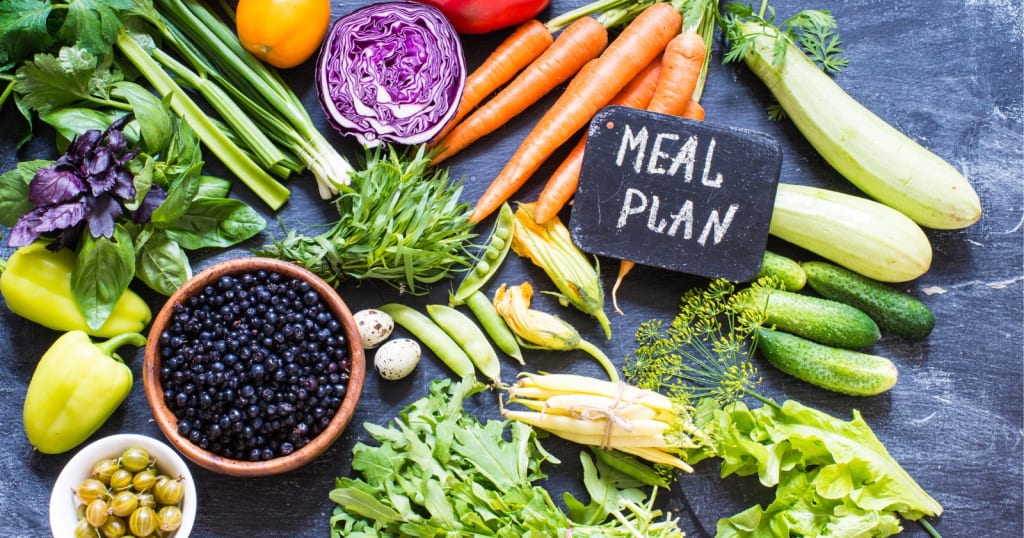
Europe Meal Kit Market Overview
As per Renub Research study Europe Meal Kit Market is projected to grow from US$ 5.08 billion in 2024 to US$ 14.6 billion by 2033, at a CAGR of 12.44% between 2025 and 2033. This growth is largely driven by Europe’s younger population seeking convenient, healthy, and nutrient-rich meals over traditional junk food.
Meal kits provide pre-portioned ingredients and detailed cooking instructions, allowing individuals and families to prepare fresh, balanced meals at home without the hassle of grocery shopping. Urbanization, dual-income households, and busy schedules have accelerated market adoption, particularly in countries like Germany, the United Kingdom, France, and the Netherlands.
The COVID-19 pandemic further boosted the meal kit industry by introducing consumers to home-based dining and direct-to-door delivery services. Today, sustainability, personalization, and diversity are key market differentiators. Companies are emphasizing organic ingredients, recyclable packaging, and transparent sourcing to meet the rising environmental and health consciousness of consumers.
Flexible subscription models catering to vegan, keto, or allergy-free diets help meet diverse dietary needs. Partnerships with local farmers and food producers also support regional supply chains, providing fresh and seasonal ingredients. Both established players and new entrants are innovating around pricing, menu variety, and delivery options to attract and retain customers.
Despite growth, the market faces challenges, including price sensitivity, customer retention, and rising logistics costs. Many consumers still perceive meal kits as a premium service, which may limit market penetration among budget-conscious segments. Operational hurdles include maintaining freshness, minimizing food waste, and ensuring timely delivery across wide geographic regions.
Nonetheless, the long-term outlook remains positive. As supply chain efficiency improves and consumer demand for health-conscious convenience grows, meal kits are expected to remain a vital part of Europe’s food ecosystem. Providers are also exploring ready-to-eat options and hybrid retail models to expand their offerings.
Busy Lifestyles and Urbanization
Europe’s fast-paced urban living, longer workdays, and rising dual-income households have increased the need for convenient meal solutions. Meal kits offer pre-portioned ingredients and easy-to-follow recipes, making them an attractive alternative to grocery shopping and home cooking.
They are especially popular among individuals with limited kitchen space or those seeking to reduce food waste. Meal kits save time while allowing consumers to prepare home-cooked meals efficiently, meeting the demands of millennials, working professionals, and small families in urban areas.
Growing Health and Nutrition Awareness
European consumers are increasingly focused on health, nutrition, and wellness, influencing their food choices. Meal kits provide portion-controlled, balanced meals with transparent nutritional information, aligning with this trend.
Suppliers emphasize lean proteins, seasonal vegetables, and dietitian-approved recipes. Meal kits appeal to consumers managing weight, following dietary restrictions, or seeking healthier alternatives. By simplifying meal preparation, meal kits encourage better eating habits while saving time and effort.
Expansion of Digital and E-Commerce Platforms
The widespread adoption of digital tools and e-commerce platforms has made meal kits more accessible across Europe. Customers can subscribe, customize, and manage deliveries online, often using mobile apps.
The pandemic accelerated consumer comfort with online food purchasing, integrating meal kits into everyday grocery routines. Flexible subscription options, personalization, and smooth digital interfaces enhance user experience and loyalty, while expanding the market’s reach.
Market Challenges
Customer Retention and Subscription Fatigue
Despite strong initial uptake, retaining customers is a key challenge. Many consumers discontinue subscriptions after a few weeks due to cost, menu limitations, or changing personal circumstances.
Over time, the novelty can wear off, and weekly commitments may feel burdensome. Lifestyle changes, including dining out or adjusted work schedules, can reduce demand. Providers are responding by increasing menu variety, offering flexible plans, and enhancing user experience. Sustaining long-term engagement remains a critical market focus.
Expensive and Limited Affordability
Meal kits are often considered premium products, more expensive than traditional supermarket shopping or home cooking. High pricing may deter lower-income households or budget-conscious consumers.
Economic uncertainty or inflation can further impact affordability. To address this, companies are exploring value packs, tiered subscription plans, and promotions. Balancing convenience, quality, and cost optimization is essential to expand market penetration.
Regional Market Insights
Germany
Germany’s meal kit market is growing steadily due to demand for quick, home-cooked meals. Consumers favor simple recipes, pre-portioned ingredients, and menu diversity.
Providers like HelloFresh prioritize sustainability, local sourcing, and seamless digital platforms to enhance satisfaction and loyalty. The focus on health-conscious and home-cooked meals supports continued market growth.
France
France’s culinary culture, combined with rising demand for convenience and healthy meals, drives growth in the French market. Meal kits are increasingly popular for fresh, home-prepared meals without the time commitment of shopping and preparation.
Providers offer cook-and-eat and heat-and-eat kits catering to dietary preferences. Partnerships with local suppliers and innovative delivery methods enhance accessibility, reaching urban and suburban consumers alike.
Italy
Italy’s meal kit market is expanding gradually, balancing traditional culinary practices with modern convenience. Providers focus on regional specialties like pasta sauces, risottos, and antipasti, ensuring authenticity and high-quality ingredients.
Collaboration with local vendors ensures fresh, seasonal products, while the combination of convenience and tradition drives market adoption.
United Kingdom
The UK market benefits from busy lifestyles and growing interest in home cooking. Meal kits offering fresh ingredients and simple recipes are increasingly popular.
Cook-and-eat and ready-to-heat options cater to diverse consumer needs. Emphasis on sustainability, dietary variety, and customization, combined with reliable digital ordering and delivery services, supports market expansion across urban and suburban areas.
👉 For deeper analysis, detailed segment data, and company insights: 🔗 Request Customization Report
Meal Type:
Vegetarian
Non-Vegetarian
Vegan
Offering Type:
Heat and Eat
Cook and Eat
Ready to Eat
End User:
Individuals
Families
Distribution Channel:
Online
Hypermarket / Supermarket
Convenience Store
Others
Country Coverage:
France, Germany, Italy, Spain, United Kingdom, Belgium, Netherlands, Russia, Poland, Greece, Norway, Romania, Portugal, Rest of Europe
Key Players
Tyson Foods
Nestlé
Gobble Inc
Gousto
HelloFresh
Simply Cook Ltd.
Albertsons Companies, Inc.
Fresh n' Lean
Hungryroot
These companies leverage digital platforms, sustainable sourcing, and subscription models to maintain competitiveness and meet evolving consumer expectations.
Future Outlook: 2025–2033
The Europe Meal Kit Market is set for robust growth due to urbanization, busy lifestyles, and health-conscious consumers. Meal kits’ convenience, personalization, and nutritious offerings make them an attractive alternative to traditional meal preparation.
As supply chain efficiencies improve, costs decrease, and subscription flexibility increases, meal kits are expected to become a mainstream component of Europe’s food ecosystem. Expansion into ready-to-eat products and hybrid retail models will further broaden market appeal, ensuring sustainable growth for both providers and consumers.
Note: If you need details, data, or insights not covered in this report, we are glad to assist. Through our customization service, we will collect and deliver the information you require, tailored to your specific needs. Share your requirements with us, and we will update the report to align with your expectations.
About the Creator
Renub Research
Renub Research is a Market Research and Consulting Company. We have more than 15 years of experience especially in international Business-to-Business Researches, Surveys and Consulting. Call Us : +1-478-202-3244
Keep reading
More stories from Renub Research and writers in Journal and other communities.
Saudi Arabia Vision Care Market to Reach US$ 1,292.62 Million by 2033: Aging Population and Digital Lifestyle Driving Demand
Saudi Arabia Vision Care Market Overview According to Renub Research Latest Report Saudi Arabia’s vision care market is set for steady growth, projected to reach US$ 1,292.62 million by 2033 from US$ 899.58 million in 2024, reflecting a CAGR of 4.11% between 2025 and 2033. The expansion is being fueled by an aging population, rising prevalence of eye disorders, increased screen time, technological innovations, growing health awareness, and supportive government initiatives that enhance access to high-quality eye care services.
By Renub Research4 months ago in Journal
The goals I did not achieve
Every writing goal I made for the year is a wash. It has been this way for a while, but I think it's important to be open about my failures and the reality of how life can get in the way. This is especially true considering the several times I have posted on Vocal about my writing goals, how I was changing my approach, and where I was hoping to be for the upcoming year. I will probably do that again in a couple months, but for now, it is time to acknowledge where I am today.
By Kay Husnick25 days ago in Journal
Why do catholics worship, Mary?
One of the questions that often comes up for people learning about the Catholic faith is why Catholics honor Mary, the mother of Jesus. It is a common misconception that Catholics worship Mary. In fact, the Church teaches that worship is due to God alone. Catholics do not pray to Mary as if she were God, nor do they believe she has divine power independent of God. Instead, Mary is honored because of her unique role in salvation history and her close relationship with her son, Jesus Christ.
By Sound and Spirit7 days ago in Journal
How, Too
Many people wonder how, too. You are not alone, and I am an expert. I will teach you how, too! First, you need to remit a small application fee and fill out an application describing the nature of your financial situation and how often payments will be made, as this will have great bearing on how well I teach you how, too.
By Harper Lewis4 days ago in Fiction



Comments
There are no comments for this story
Be the first to respond and start the conversation.