
Ensuring Safety and Efficiency in Student Housing Construction Projects
How to Build Safe, Sustainable, and Efficient Student Housing for the Next Generation

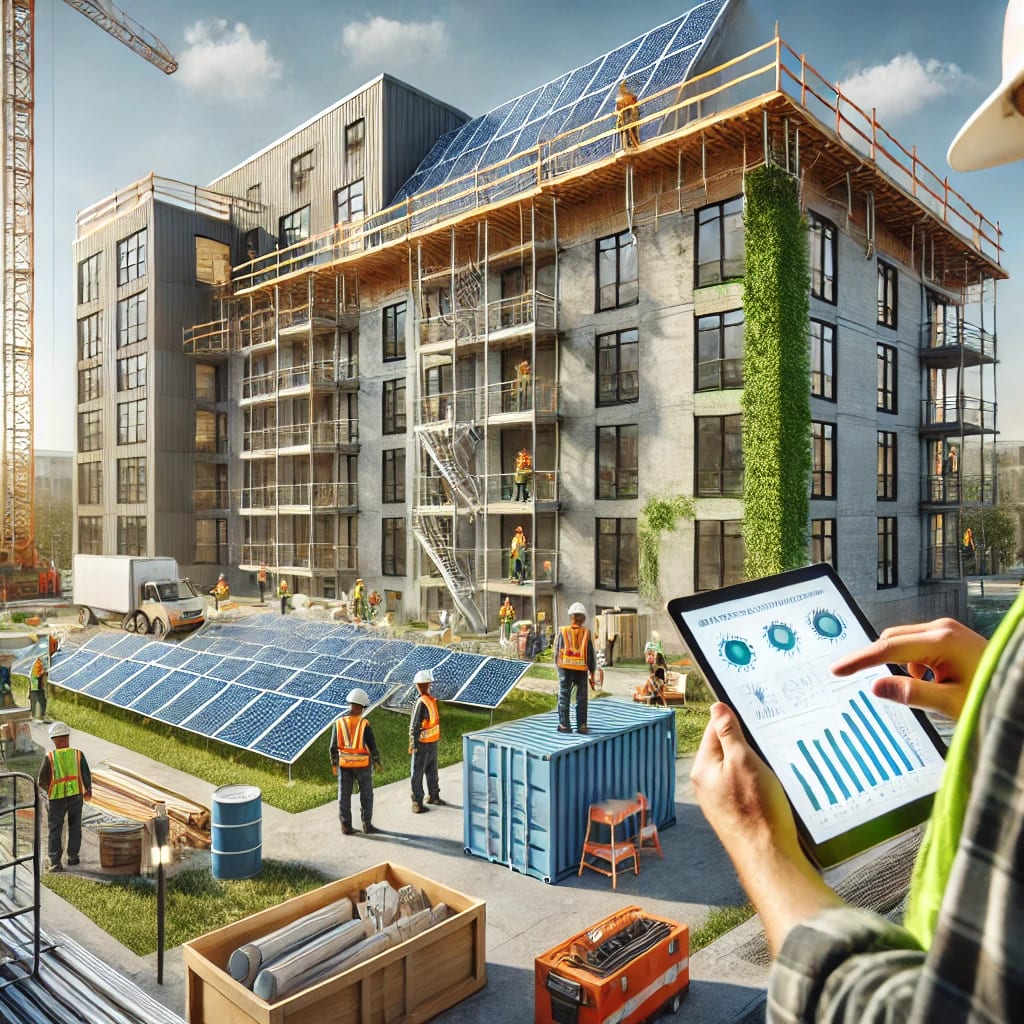
Student housing construction requires a strong commitment to safety and efficiency to meet the demands of students, parents, and educational institutions. A well-constructed student housing facility offers not only shelter but also a productive and secure environment that fosters learning and community. To achieve this, developers and construction managers need to focus on safety, sustainability, cost-effectiveness, and timely project completion. This article will discuss the essential steps in ensuring a safe and efficient construction process for student housing.
1. Prioritizing Safety from the Ground Up
Safety is paramount in any construction project, especially where students will reside. A safe environment starts with the design phase, where architects and engineers must account for emergency exits, fire escapes, sprinkler systems, and robust structural design. Proper planning helps to identify and mitigate potential hazards before construction begins.
The construction team must adhere to industry safety standards, including regular inspections, worker safety training, and strict adherence to Occupational Safety and Health Administration (OSHA) guidelines. Frequent safety audits can prevent accidents, helping to maintain an accident-free site, which not only protects workers but also keeps the project on schedule.
2. Efficient Project Management
An efficient construction project is one that stays on schedule and within budget. For student housing construction, this means setting a realistic timeline with clear milestones, ensuring that the project progresses as planned. Effective communication between project managers, contractors, suppliers, and the educational institution is essential to coordinate efforts and address any issues swiftly.
Project managers can implement advanced project management software to track progress, manage resources, and communicate updates in real-time. This not only helps in staying on track but also allows for efficient allocation of resources, minimizing downtime and reducing overall costs.
3. Embracing Sustainable Construction Practices
Sustainability is increasingly important in student housing construction, as institutions and students are becoming more environmentally conscious. Sustainable practices include using eco-friendly materials, reducing waste, and implementing energy-efficient systems. Renewable energy sources, such as solar panels, can be integrated into the design to lower utility costs and reduce the building’s carbon footprint.
Additionally, incorporating energy-efficient lighting, heating, and cooling systems can enhance the building's sustainability, benefiting both the environment and the students who will reside in these spaces. Many developers now aim for LEED certification or similar standards to demonstrate their commitment to sustainability, which can also be a unique selling point for prospective students.
4. Ensuring Code Compliance and Quality Control
Regulatory compliance is essential to ensure the long-term safety and durability of a student housing facility. Builders need to adhere to local building codes, zoning laws, and fire safety regulations. Regular inspections by building authorities help ensure compliance at every stage of construction.
Quality control is equally important to prevent construction flaws and ensure the longevity of the building. Each phase, from laying the foundation to finishing touches, must meet high standards. Quality assurance teams should perform regular checks, and any issues should be resolved immediately to avoid costly repairs down the road.
5. Using Advanced Technology for Enhanced Efficiency
Technology plays a significant role in modern student housing construction. Tools like Building Information Modeling (BIM) help in visualizing and planning the project in detail, reducing errors, and improving communication among stakeholders. Drones can be used for site inspections, providing real-time data on progress, which can help keep the project on track.
Modular construction is another efficient technique gaining popularity. By building certain parts off-site and assembling them on-site, construction time is reduced, and precision is improved. This can be particularly beneficial for student housing, where timely completion is crucial to meet academic year schedules.
6. Creating a Comfortable and Functional Living Space
While efficiency and safety are crucial, the end goal of student housing construction is to create a space that feels like home. Functional layouts, comfortable furnishings, and access to essential amenities, such as laundry, study rooms, and Wi-Fi, are all essential considerations. By focusing on creating a positive living environment, developers ensure the housing will meet the needs of students for years to come.
The comfort of the living space should be balanced with design features that promote energy efficiency and ease of maintenance. Durable materials, low-maintenance surfaces, and energy-efficient appliances contribute to lower operational costs and ensure a pleasant, sustainable living environment for students.
Conclusion
In student housing construction, safety and efficiency are not just goals but necessities to ensure that students live in secure, well-designed spaces conducive to learning and growth. By prioritizing safety from the beginning, adhering to regulatory standards, embracing sustainable practices, and utilizing technology, developers can deliver high-quality, efficient housing solutions for educational institutions. With careful planning and a commitment to excellence, student housing projects can be completed on time, on budget, and ready to welcome students to a safe and inspiring environment.
About the Creator
Sumedha Biswas
Hi, I am a Creative Thinker, Insatiably Curious, Results-Driven highly energetic and enthusiastic professional with nearly 5+ years of experience in writing content for blogs, websites, and company portals.
Keep reading
More stories from Sumedha Biswas and writers in Journal and other communities.
How Professional Construction Management Ensures Successful Senior Living Projects
Building a senior living community is a unique and complex endeavor. These facilities must cater to the specific needs of older adults, ensuring comfort, safety, and a sense of community. With the growing demand for senior living spaces, there’s an increased need for efficient and well-planned construction projects. That’s where professional construction management plays a crucial role in ensuring success.
By Sumedha Biswasabout a year ago in Journal
The Expanding Responsibilities of Today’s Chief Financial Officer
The responsibilities of a Chief Financial Officer have changed steadily over the past several years. While financial accuracy and compliance remain core expectations, many organizations now rely on CFOs for broader guidance. Finance leaders are increasingly involved in planning, operational discussions, and long-term decision-making. This shift reflects a growing recognition that financial insight plays a central role in organizational stability.
By Carolina Guerrenoabout 2 hours ago in Journal




Comments
There are no comments for this story
Be the first to respond and start the conversation.