
Employers Can Blame Themselves For Worker Shortages
Millennials and Gen-Z Are Calling the Shots

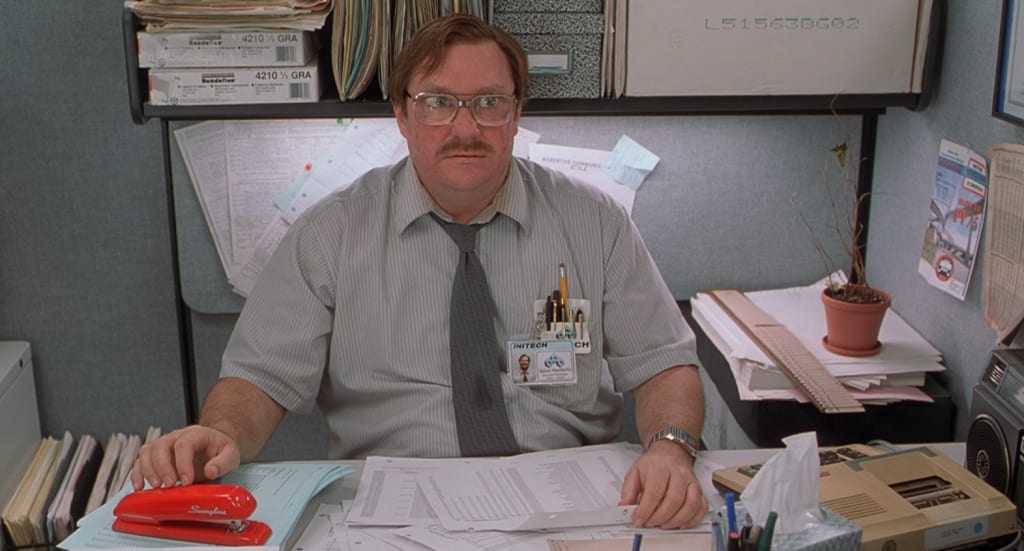
You hear constantly about how Millennials and Gen Z have no work ethic. They don’t know how to find jobs, stay with them for 40 soul-crushing years, and then retire after receiving their gold watch. I’m calling bullshit on this assessment of the younger generations.
Generally, you hear Boomers claiming that this is true. They generalize all of the Millennials and Gen Z people into one group. They automatically assume a superior stance as it relates to work ethic and nothing could be further from the truth.
I have a lot of respect for people who do their own thing or a number of things that add up to making a liveable wage. Some excel and make far more income than the Baby Boomer people who are badmouthing them. The creativity level of Millennials and Gez Z citizens is often superior to the Boomer generation.
One aspect of the workplace the Boomer generation just doesn’t seem to get is the feeling of satisfaction from doing a great job that you enjoy doing. The younger generations have realized that working some menial, boring, and unfulfilling job does not lend itself to taking care of one’s mental health.

This is important. We spend at least 1/3 of our adult lives at work. Why in the hell would someone want to work for a company or corporation that treats its employees like dogshit? Who chooses to be chastised, talked down to, and treated like a dumb-ass? Most middle management supervisors we’ve had to deal with in the workforce barely have enough brainpower to be dangerous.
Think back to the worst jobs you’ve ever had. Perhaps it was an office type of setting. Retail sales and food service definitely come to mind. Maybe you’ve worked an assembly line or some other manufacturing job that made your body hurt, didn’t fully engage your mind, or crushed your spirit.
Why would any intelligent, well-rounded person want to be in that kind of environment for 8 hours or more a day? It’s a depressing proposition, reporting to work five days a week to be bossed around by someone who you know isn’t nearly at your level of intelligence. But because they’ve worked there longer than you have, you have to eat shit from them, smile, and ask for a second helping.
It’s time to go on a diet. Or find a better restaurant to dine at. Nobody should have to be talked down to like they’re an idiot. Being micro-managed and chastised constantly by some insecure idiot does not lend itself to feelings of satisfaction in the workplace. Many have decided to take their destiny into their own hands and get creative.
This is the trait I admire and respect about Millenials and Zoomers. They are far less likely to kiss their bosses' asses and call it ice cream than the Boomers who criticize the way they do things. Mils and Zoomer have a lot more balls and fire in their bellies than the Boomers give them credit for.
I give credit to M&Zs for helping push more Americans toward a remote workplace. The Covid Pandemic of 2020 certainly was a big contributing factor. When the lockdown became mandatory for many people, companies were forced to have their employees work from home. Kids were required to do school at home. We adjusted, as a society.
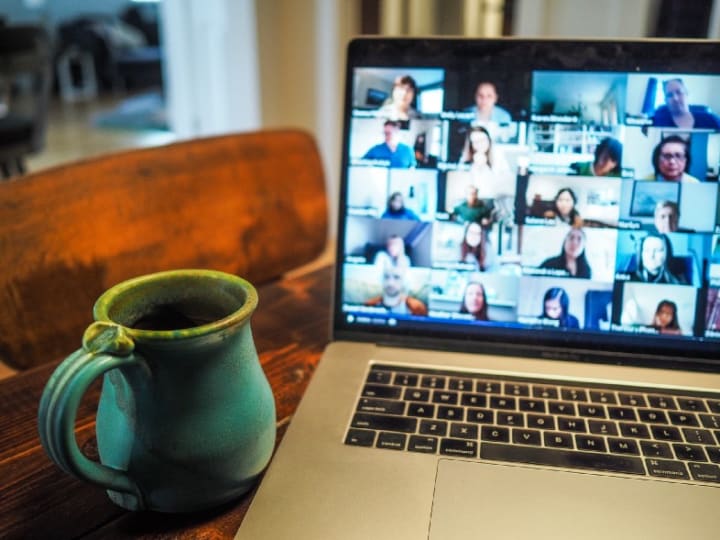
It was difficult for many people to get used to these new sets of rules. Some adults and children really felt the impact of not being able to see friends or family for a number of months. However, with over a million US deaths caused by Covid during the pandemic, it was essential.
What many people came to realize was how much they preferred working from home. Using a computer at an office or a similar setting versus using one from the comfort of your own home was pretty damn similar. There were other obvious benefits.
Having no commute is so much better. No more sitting in traffic, stuck and stressed out on the way to work and on the way home. You didn’t have to get up an hour or two before work to get showered, have breakfast, and get dressed. You were now allowed to wear what you want and work from the comfort of your home.
Pets everywhere were overjoyed to have their owners at home with them during the workday. The worst thing that happened in that regard was someone’s kitty popping its head into a Zoom meeting. Or their dog barking at the doorbell when the Amazon driver dropped off a package. Life for pets improved greatly.
It improved for the American worker, too. Not having to deal with an immediate supervisor hovering over them in their cubicles and being micro-managed I’m certain, was better for everyone’s mental health. Even during the stress and anxiety over the pandemic, people felt better about working from home.
Those who were laid off or whose companies went under because of the pandemic had to become resourceful. Many started doing new types of work. Some figured out new ways to earn income while working for themselves. This in turn led to many employers having to offer higher hourly wages.
Companies started giving sign-on bonuses to new employees. I personally saw a number of ads touting sign-on bonuses in the thousands of dollars. Big companies and large employers started realizing for the first time just how powerful the American worker can be.
Without having a fully staffed business, your company suffers. When people have a history of being paid less than they’re worth and being belittled and harassed by management, it doesn’t come as a shock to see their loyalty disappear.
Being creative and diversifying the way we earn money is another factor of the current job market favoring the employee. More people than ever are getting into new ventures, side hustles, and creating multiple streams of income in order to work for themselves. The appeal of not having a supervisor or boss is desirable to many who have had less-than-ideal workplace experiences.
If large companies and corporations hope to survive, they had better get realistic about their number one asset: Their PEOPLE. The employees that they’re having such a difficult time finding, hiring, and retaining are not as easy to find as they used to be. They want more.
They deserve more. With the sharp increase in inflation, more of us are working harder to be happier, while caring more about our mental health. This isn’t going to revert back to the older, traditional days of employer/employee relationships. Times are changing and policies need to change with them.
Large corporations would do better to take the millions of dollars they’re giving out as bonuses to their fat-cat CEOs and higher-ups, and invest that money into their employees. Higher starting salaries, sign-on bonuses, and top-shelf health care packages would serve a company better than padding the pockets of the already wealthy.
I applaud you, Millennials and Gen Z. You guys have it going on. You realize that money isn’t everything. Having to break your back and hurt your mind for a soulless, giant corporation isn’t conducive to living your best life.
I am cheering for you and can relate to your hustle. Pushing your own daily agenda and grinding to succeed on your own is respectable. I admire your creativity and your drive to make work-related goals and dreams happen on YOUR terms. &:^)
About the Creator
The Mouthy Renegade Writer
I write about politics and enjoy humor writing. Host of The Renegade Writer's Mouthy Musings podcast. Anti-Trump, pro-LGBTQ. I support women's rights. Mouthy as fuck. Join our Mouthy Militia!
themouthyrenegadewriter.substack.com/subscribe
Keep reading
More stories from The Mouthy Renegade Writer and writers in Journal and other communities.
I Know Who My Biggest Fan Is
Becoming a somewhat popular writer on any platform or website is pretty damn cool. I have discovered this after a pretty successful first ten months. I’m enjoying the groove I’m in with my writing, and I appreciate all of the wonderful writers I’m meeting here. Your comments are awesome and I love our banter back and forth.
By The Mouthy Renegade Writer3 years ago in Journal
Author’s Advice
If you would’ve asked me 20 years ago did I know I’d become a writer and an author, I would’ve said “nope, ain’t happening”. As fate would have it I did become an author and I can honestly say I’m loving it so far. It really does feel good to be a writer. I’ve learned a lot on this journey and I feel like with even me being as new to this world as I am, there’s some wisdom I need to share with every other aspiring author.
By Joe Patterson3 days ago in Journal
Athletic Footwear Industry Is Racing Toward $269 Bn
The pavement is still cool from the morning air. A runner tightens their laces, taps their smartwatch, and begins the first stride of the day. Each step feels lighter, faster, more responsive — thanks to years of innovation packed into a single pair of shoes.
By Harvey Specter3 days ago in Journal
Pandora’s Burden
“My brother warned me to not accept gifts from the one who commissioned you,” said Epimetheus to the woman clad in silvery raiments standing at the entrance to the temple. Her silver tiara and the silver rings on her fingers and toes glinted in the firelight cast by torches set on either side of the doorway. Lingering in the shadows, beyond the reach of the flames as she was, he could not tell what she held in her hands. At first what appeared to be a box was perhaps a funerary urn, or maybe merely an apple.
By J. Otis Haasabout 17 hours ago in Fiction




Comments
There are no comments for this story
Be the first to respond and start the conversation.