
Emotional Impact of Cervical Cancer
Cervical Cancer
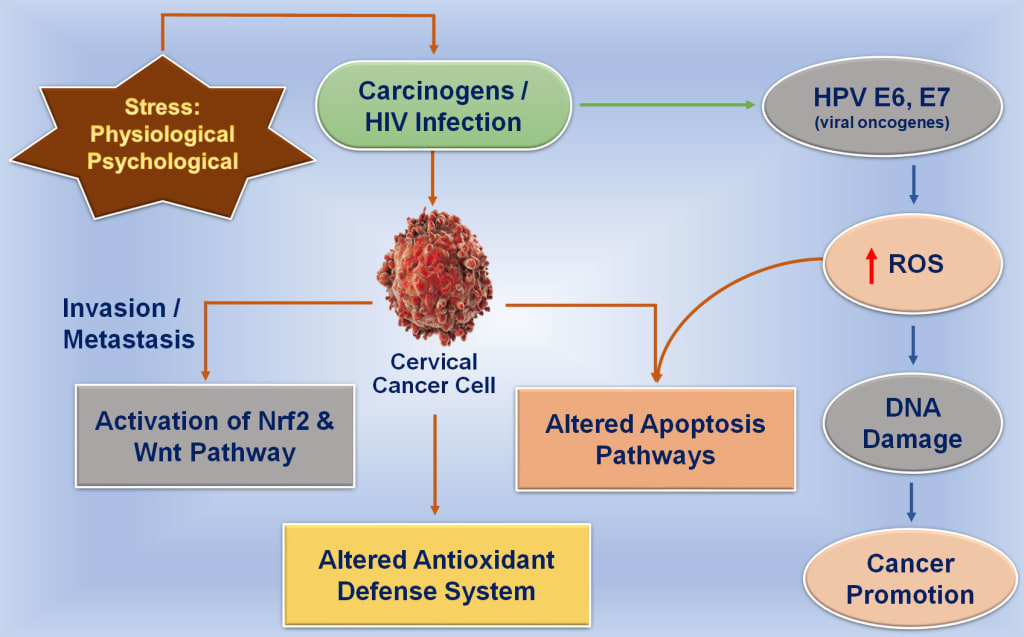
Cervical cancer is a disease that affects millions of women worldwide, causing physical and emotional turmoil. While much attention is rightfully given to its physical aspects, the emotional impact of cervical cancer is often overlooked. In this blog, we will delve into the emotional toll that a cervical cancer diagnosis can take on individuals, their families, and the importance of addressing these emotional challenges.
The Diagnosis: Shock and Denial
Receiving a cervical cancer diagnosis is a life-altering moment. It often comes as a shock and is met with a range of emotions, including denial, fear, and disbelief. Many women find it hard to accept that they have cervical cancer, which can lead to a sense of confusion and vulnerability. Coping with the initial diagnosis is one of the most emotionally challenging aspects of the journey.
Fear and Anxiety
Fear and anxiety are natural responses to a cervical cancer diagnosis. The uncertainty surrounding the prognosis, treatment options, and potential side effects can be overwhelming. Women may fear the physical pain and discomfort associated with treatments like surgery, chemotherapy, or radiation therapy. Additionally, the fear of mortality and the impact on their loved ones can be emotionally distressing.
Guilt and Self-Blame
Some women diagnosed with cervical cancer may experience feelings of guilt and self-blame. They may question their lifestyle choices, sexual history, or contraceptive methods, wondering if they played a role in the development of the disease. This self-blame can be emotionally taxing and hinder the healing process. It is essential for individuals to understand that cervical cancer is a complex disease with multiple risk factors, and no one should blame themselves for their diagnosis.
Depression and Isolation
The emotional toll of cervical cancer can lead to depression and feelings of isolation. The physical symptoms and side effects of treatment can make patients feel like they are losing control of their lives. This loss of control, coupled with the emotional burden, can contribute to feelings of sadness and hopelessness. Many individuals with cervical cancer may withdraw from social activities and isolate themselves from friends and family, further exacerbating their emotional struggles.
Anger and Frustration
Anger and frustration are common emotions experienced by individuals with cervical cancer. They may feel anger towards their own bodies for betraying them or towards the healthcare system for the difficulties in navigating the complex world of cancer treatment. Coping with the emotional rollercoaster of cervical cancer can be challenging, and these emotions are a natural response to the adversity faced.
Support Systems: The Importance of Emotional Support
Amid the emotional turmoil of cervical cancer, a strong support system is invaluable. Family members, friends, and healthcare providers play a crucial role in providing emotional support. Open and honest communication with loved ones can help individuals express their fears and anxieties, reducing the emotional burden.
Support groups and counseling can also be beneficial. Joining a support group for cervical cancer patients allows individuals to connect with others who understand their experiences, providing a sense of belonging and validation. Counseling can help individuals develop coping strategies and address the emotional challenges they face throughout their journey.
Maintaining Hope and Positivity
While the emotional impact of cervical cancer is undeniable, it is essential to emphasize the importance of maintaining hope and positivity. Many women diagnosed with cervical cancer go on to lead fulfilling lives after successful treatment. Advances in medical science and early detection methods have improved the prognosis for many patients.
Individuals can find strength in setting realistic goals, focusing on self-care, and maintaining a positive outlook. Engaging in activities that bring joy and fulfillment, such as hobbies and spending time with loved ones, can help combat negative emotions and foster a sense of normalcy during treatment.
Conclusion
Cervical cancer is not only a physical battle but also an emotional one. The shock, fear, guilt, and isolation that often accompany a diagnosis can be overwhelming. However, with the right support system and coping mechanisms, individuals can navigate the emotional challenges of cervical cancer and emerge stronger.
It is crucial for healthcare providers, loved ones, and society as a whole to acknowledge the emotional impact of cervical cancer and provide the necessary support and resources. By addressing the emotional needs of those affected by cervical cancer, we can enhance their quality of life and empower them to face this disease with resilience and hope.
About the Creator
Keep reading
More stories from Sachin Sinhmar and writers in Journal and other communities.
Aortic Stenosis Treatment
Aortic stenosis is a common and potentially life-threatening heart condition that occurs when the aortic valve narrows, restricting blood flow from the heart to the rest of the body. While aortic stenosis has historically required surgical intervention in severe cases, the landscape of its treatment has evolved significantly in recent years. In this blog, we'll explore the latest updates in the treatment of aortic stenosis, offering hope and improved outcomes for patients.
By Sachin Sinhmar2 years ago in Families



Comments
There are no comments for this story
Be the first to respond and start the conversation.