
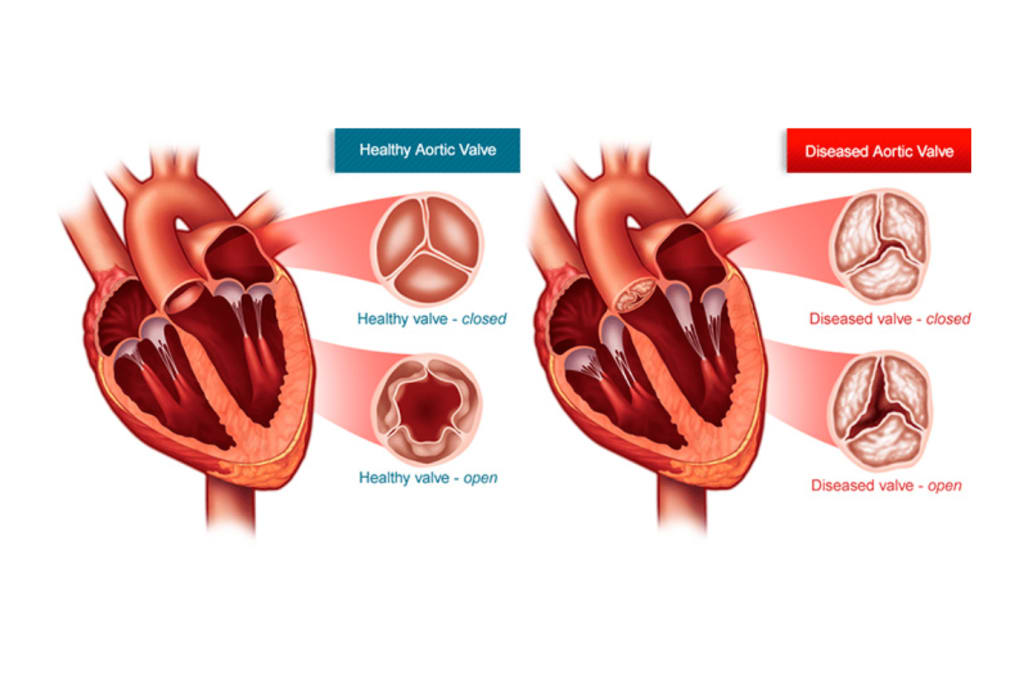
Aortic stenosis is a common and potentially life-threatening heart condition that occurs when the aortic valve narrows, restricting blood flow from the heart to the rest of the body. While aortic stenosis has historically required surgical intervention in severe cases, the landscape of its treatment has evolved significantly in recent years. In this blog, we'll explore the latest updates in the treatment of aortic stenosis, offering hope and improved outcomes for patients.
Transcatheter Aortic Valve Replacement (TAVR): TAVR has revolutionized the management of aortic stenosis, especially in elderly or high-risk patients who may not be ideal candidates for open-heart surgery. TAVR involves the insertion of a replacement valve through a catheter, often via the femoral artery, which is then expanded, pushing the damaged valve aside. The procedure is minimally invasive, resulting in shorter hospital stays and quicker recovery times.
Balloon Aortic Valvuloplasty: This technique involves inflating a balloon within the narrowed aortic valve to widen the opening. While not as durable as TAVR or surgical replacement, valvuloplasty can provide temporary relief for patients who are not suitable candidates for other procedures.
Medications: Medications can help manage the symptoms of aortic stenosis, such as blood pressure control and diuretics to reduce fluid retention. While they cannot reverse the condition, they can be a useful adjunct to other treatments.
Surgical Aortic Valve Replacement (SAVR): Traditional open-heart surgery to replace the aortic valve is still a highly effective treatment for aortic stenosis, especially for younger, healthier patients. SAVR involves removing the damaged valve and replacing it with a mechanical or biological valve. Advances in surgical techniques and post-operative care have improved outcomes and reduced recovery times.
Minimally Invasive Surgery: Some patients may be candidates for minimally invasive surgical techniques that use smaller incisions and specialized tools to replace the aortic valve. This approach reduces scarring and accelerates recovery.
Balloon-Expandable vs. Self-Expanding Valves: There are various types of replacement valves available for TAVR, including balloon-expandable and self-expanding valves. The choice depends on patient factors and valve characteristics, and ongoing research aims to identify the most suitable options for different cases.
Combination Therapies: In some complex cases, a combination of treatments may be necessary. For instance, TAVR followed by valvuloplasty or SAVR in select patients can provide the best results.
Monitoring and Follow-Up: Regular monitoring and follow-up are crucial for all aortic stenosis patients, regardless of the treatment method. Advances in remote monitoring and telehealth have made it easier for healthcare providers to keep a close eye on patients, ensuring timely interventions if necessary.
The treatment landscape for aortic stenosis has witnessed significant advancements in recent years, offering patients a broader range of options tailored to their specific needs and circumstances. These innovations not only improve the quality of life for patients but also enhance the prognosis for those suffering from this condition. It is essential for individuals with aortic stenosis to work closely with their healthcare providers to determine the most appropriate treatment plan, taking into account their overall health, age, and individual preferences Aortic Stenosis Treatment.
As medical research and technology continue to progress, we can expect even more promising developments in the treatment of aortic stenosis, bringing hope and better outcomes to patients around the world.
About the Creator
Keep reading
More stories from Sachin Sinhmar and writers in Families and other communities.
Emotional Impact of Cervical Cancer
Cervical cancer is a disease that affects millions of women worldwide, causing physical and emotional turmoil. While much attention is rightfully given to its physical aspects, the emotional impact of cervical cancer is often overlooked. In this blog, we will delve into the emotional toll that a cervical cancer diagnosis can take on individuals, their families, and the importance of addressing these emotional challenges.
By Sachin Sinhmar2 years ago in Journal
The day of silence
When Quiet Speaks Louder Than Words The town of Nandipur was not known for silence. It lived on chatter—vendors calling out prices, children racing through narrow lanes, radios humming behind half-closed doors, and neighbors debating everything from politics to rainfall. Words filled every corner, as if silence were something to be feared.
By Ibrahim Shah 8 days ago in Families
Mariah Carey’s Kids: A Glimpse into the Lives of the Superstar’s Twins
Mariah Carey, often hailed as the “Songbird Supreme,” is not only a global music icon but also a devoted mother. Over the years, fans have been fascinated by her family life, particularly her twins, Moroccan Scott Cannon and Monroe Cannon. Born on April 30, 2011, via cesarean section, Mariah’s children quickly became a central part of her life, capturing public attention alongside her illustrious career in music.
By Story Prism7 days ago in Families




Comments (4)
The <a href="https://medsurgeindia.com/cost/heart-bypass-surgery-cabg-cost-in-india/">cost of Heart Bypass Surgery in India</a> The cost of heart bypass surgery in India typically falls between USD 4000 and USD 4500, fluctuating depending on the chosen hospital type. A multitude of factors drive individuals to choose India for their medical requirements in this regard. Besides cost differentials, the quality of healthcare services stands out as a significant motivator. Moreover, several criteria contribute to shaping the overall heart bypass surgery experience in India, such as: <a href="https://medsurgeindia.com/total-artificial-heart-procedure-and-conditions/">total artificial heart procedure and conditions</a> <a href="https://medsurgeindia.com/hospital/national-heart-institute-new-delhi/">national heart institute new delhi</a> <a href="https://medsurgeindia.com/service/heart-bypass-surgery-cabg-cost-in-thailand/">heart bypass surgery cabg cost in thailand</a> <a href="https://medsurgeindia.com/heart-bypass-surgery-cost-in-medanta-hospital-gurgaon/">heart bypass surgery cost in medanta hospital gurgaon</a> <a href="https://medsurgeindia.com/heart-bypass-surgery-cost-in-mumbai/">heart bypass surgery cost in mumbai</a> <a href="https://medsurgeindia.com/heart-bypass-surgery-cost-in-delhi/">heart bypass surgery cost in delhi</a> <a href="https://medsurgeindia.com/why-should-cameroon-patient-choose-india-for-heart-surgery/ ">why should cameroon patient choose india for heart surgery</a>
The cost of IVF treatment in India cost of IVF treatment in India stands out as a highly efficient assisted reproductive technique. This procedure may involve using a couple's own eggs and sperm. Additionally, IVF allows for the utilization of eggs, sperm, or embryos from either known or unknown donors. https://medsurgeindia.com/cost/ivf-cost-in-india/ website - https://medsurgeindia.com/
The cost of cancer treatment in India is notably lower than in other developed nations. This is largely attributed to the extensive use of advanced medical technology within Indian healthcare facilities, complemented by the proficiency of oncologists and surgeons. https://medsurgeindia.com/cost/cancer-treatment-in-india/
Venturing into the landscape of advanced breast cancer treatment in India, one encounters a realm of cutting-edge medical solutions complemented by notably affordable treatment plans. Recognized for its unparalleled medical care, the country is home to a cohort of seasoned oncologists specifically adept at addressing the complexities of breast cancer cases. A scrutiny of <a href="https://medsurgeindia.com/cost/breast-cancer-treatment-cost-in-india/">breast cancer treatment cost in India,</a> when measured against benchmarks from various developed economies, unfolds a distinctive narrative. Here, the synergy of India's outstanding medical services and specialized expertise resonates as a testament to both the quality and affordability within the realm of breast cancer treatment.